Why DOT Inspections Can Be Used as a Maintenance Planning Tool
A DOT inspection is often viewed as something a truck or fleet simply has to pass.
That is understandable. Compliance matters, and no operator wants a preventable issue to create delays, violations, or unexpected downtime.
But a DOT inspection can also serve another purpose.
When the findings are reviewed carefully, they can help reveal wear patterns, recurring maintenance issues, and areas that deserve attention before they turn into larger repairs.
For fleets across Western Pennsylvania and Eastern Ohio, that makes inspection history a useful maintenance tool, not just a compliance record.
Inspection Findings Can Reveal Patterns
One failed component may be an isolated problem.
The same type of issue appearing repeatedly across several trucks may point to something bigger.
Maybe brake adjustment problems keep appearing.
Maybe lighting faults are becoming common.
Perhaps tires are wearing unevenly or wheel-end concerns are showing up more often.
When fleet managers track these findings over time, patterns can become easier to spot.
Diesel Diagnostic & Repair can help translate those patterns into a more focused maintenance plan.

Small Defects Can Point to Larger Systems
A DOT inspection may identify a visible symptom before the underlying cause becomes obvious.
For example, uneven tire wear may point to alignment or suspension issues.
A recurring ABS warning may be related to a wheel-speed sensor, wiring fault, or electrical problem.
Slow air build could indicate an issue with the compressor, air system, or leaks elsewhere in the circuit.
The inspection item itself is only the starting point.
A proper diagnostic process helps determine why the defect developed.
Repairs Should Be Prioritized by Risk
Not every issue deserves the same response.
Some defects affect safety or compliance immediately.
Others may still allow the truck to operate but should be scheduled before they worsen.
A good maintenance plan separates urgent repairs from preventive work.
That helps fleets avoid treating every inspection note like an emergency while still keeping important issues from being pushed aside.
This is especially useful when several trucks need attention at once.

Inspection Records Can Help With Fleet Budgeting
Maintenance becomes easier to budget when problems are identified before failure.
If inspection history shows that certain components are approaching replacement across several units, fleet managers can begin planning parts, labor, and downtime.
That is far better than having multiple trucks fail unexpectedly during busy periods.
Reviewing inspection records alongside mileage, engine hours, repair history, and duty cycle can create a clearer picture of where maintenance dollars are likely to be needed next.
Drivers Can Help Catch Problems Earlier
DOT inspection readiness does not begin at the shop.
Drivers play an important role through pre-trip and post-trip inspections.
Lights, tires, brakes, air pressure, leaks, and other visible conditions should be checked consistently.
When drivers report changes early, the maintenance team has more time to respond before the issue becomes a roadside problem or an inspection violation.
That communication helps connect daily operation with long-term fleet maintenance.
Repeat Issues Deserve a Different Strategy
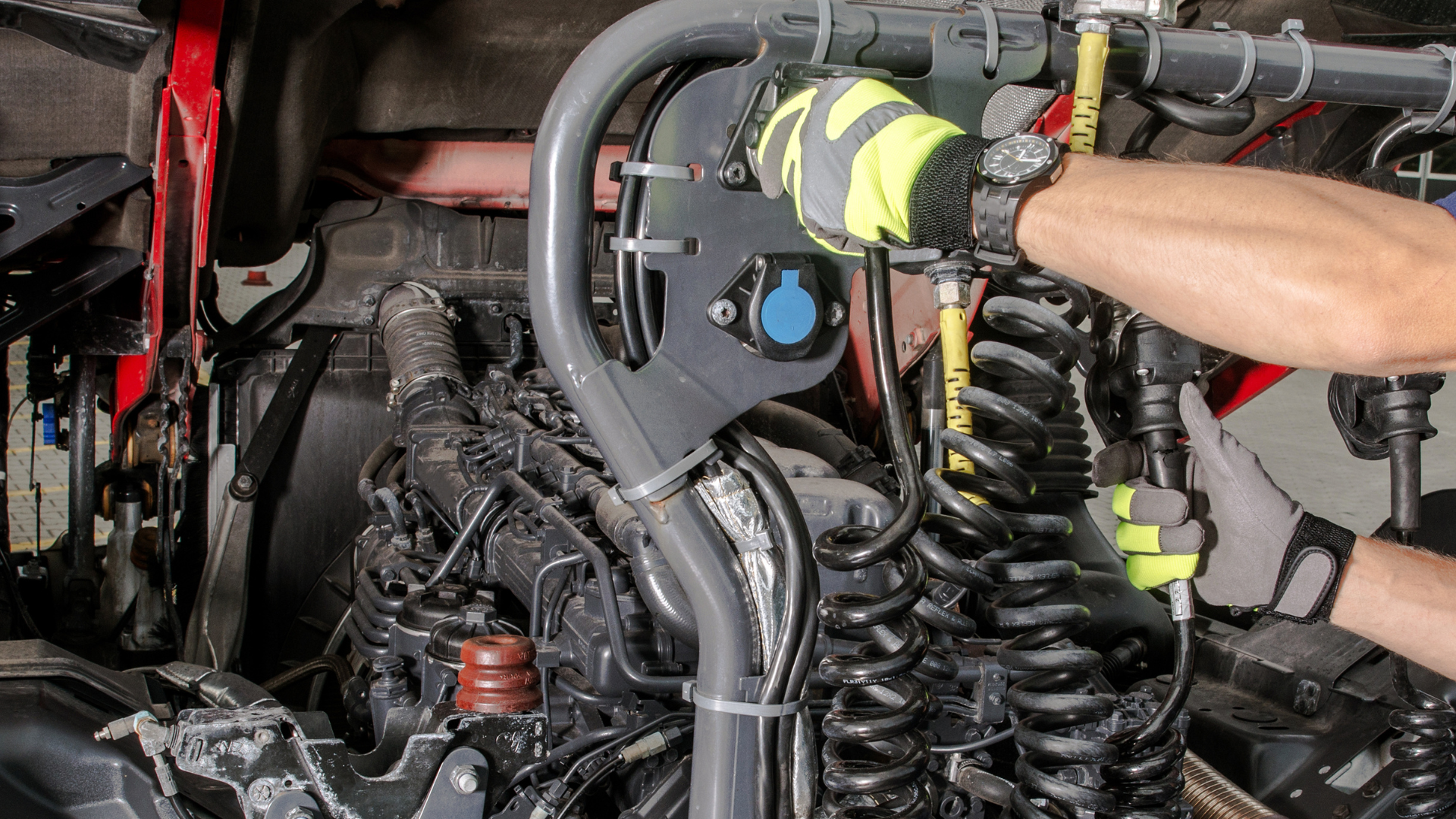
If the same problem keeps returning, replacing the same part repeatedly may not be enough.
A recurring wheel-end issue might involve more than the seal.
Repeated electrical faults may come from corrosion, damaged harnesses, or poor grounds.
Frequent brake problems may point to adjustment, air-system, or component wear concerns.
Diesel Diagnostic & Repair uses computerized diagnostics and hands-on testing to help identify the root cause rather than simply clearing the symptom.
DOT Inspections Can Support Preventive Maintenance
The most useful fleets do not treat inspections as isolated events.
They use them as one more source of information.
Inspection results can be added to repair history, driver reports, diagnostic data, and scheduled maintenance records.
That creates a more complete picture of each truck’s condition.
Over time, the fleet can move from reacting to failures toward planning repairs more strategically.
Use Compliance Information to Protect Uptime
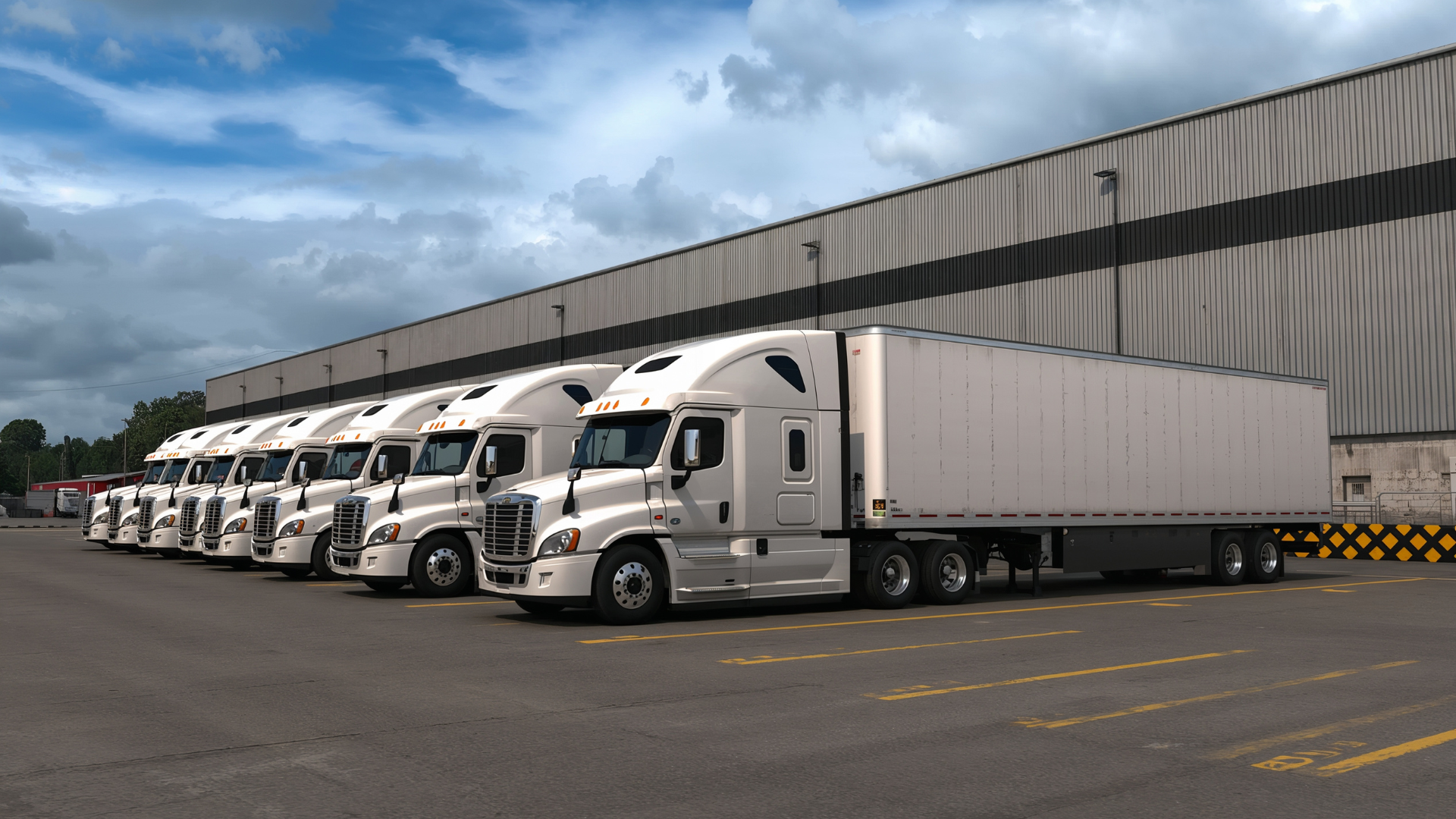
Passing a DOT inspection matters, but the information gathered around that inspection can be even more valuable.
It can help identify developing problems, improve maintenance scheduling, and reduce avoidable downtime.
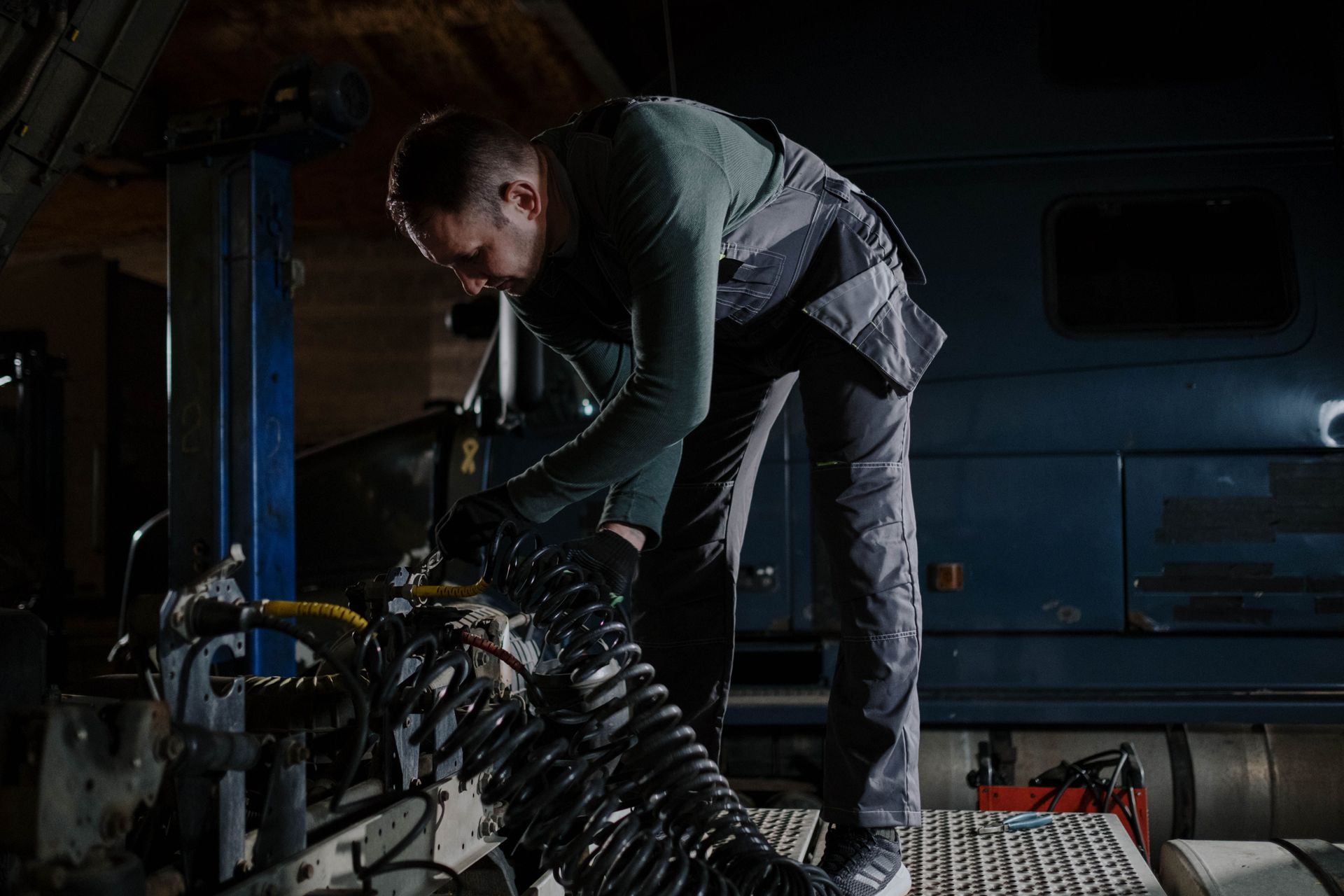
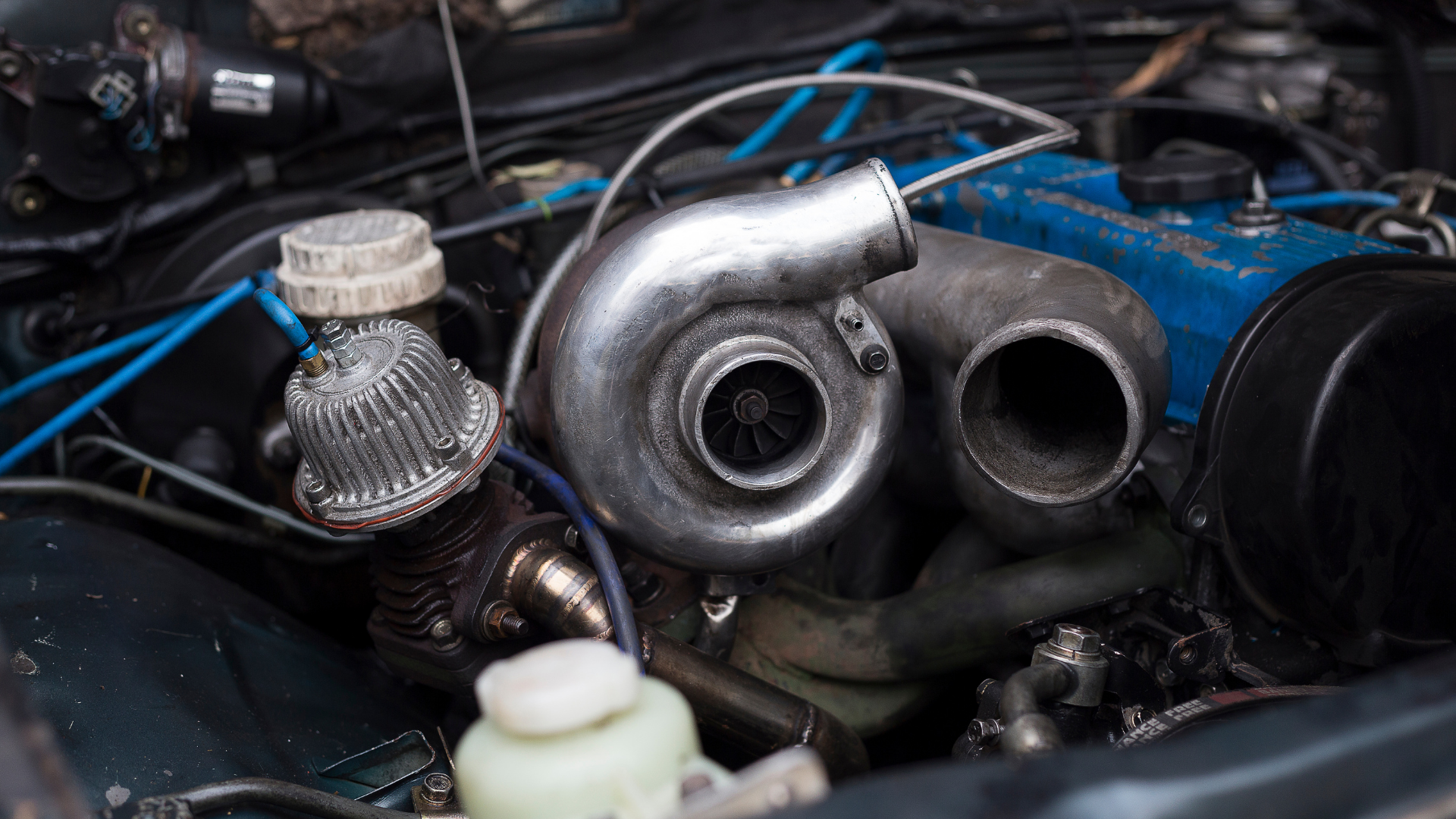
Diesel Diagnostic & Repair supports owner-operators and commercial fleets throughout Western Pennsylvania and Eastern Ohio with computerized diagnostics, heavy-duty repair, fleet maintenance, DOT inspections, mobile diesel repair, aftertreatment service, brake and suspension work, electrical repair, trailer service, and 24/7 roadside support.
If your inspection history keeps showing the same types of issues, call Diesel Diagnostic & Repair at 814-786-3700.
A DOT inspection should not only tell you whether the truck is compliant today.
It can also help you decide what needs attention next.
 GET A FREE ESTIMATE