BLOG
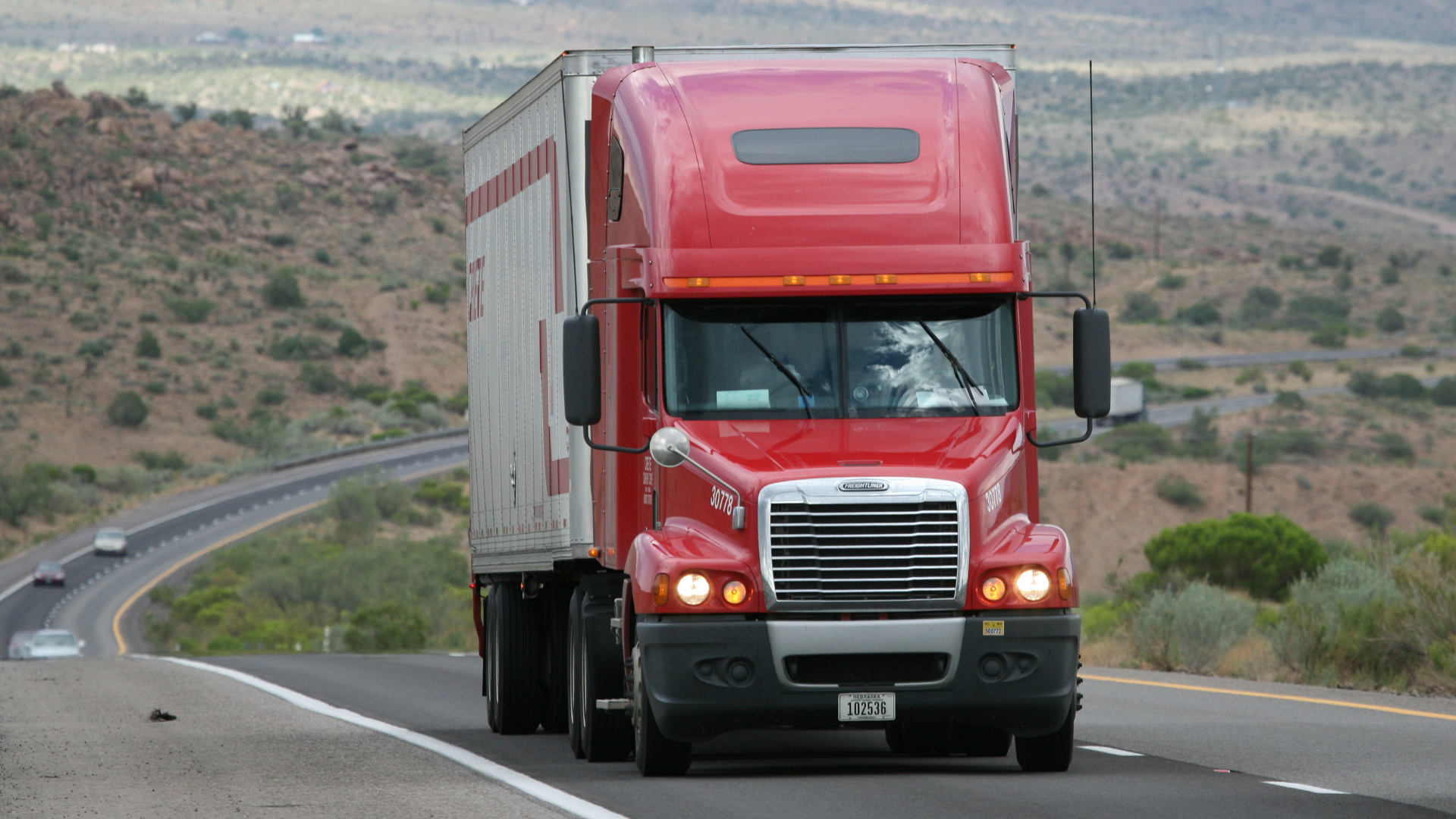
A diesel truck that stays cool at idle but starts running hot on long grades is showing a very specific kind of problem. At idle, the engine is under relatively light load and produces less heat. On a steep pull, especially with a loaded truck or trailer, the cooling system has to work much harder. Weaknesses that remain hidden in the shop can become obvious on the road. That is why overheating under load should be diagnosed differently from a truck that overheats while sitting still. Long Grades Put the Entire Cooling System Under Stress Climbing a grade increases engine load , fuel demand, cylinder pressure, and heat production. The cooling system has to move coolant efficiently and transfer that heat through the radiator while maintaining enough airflow across the cooling stack. A truck can appear completely normal during an idle inspection and still have a cooling problem. The system may simply have enough capacity at low load but not enough reserve when the engine is working hard. That makes road testing and loaded diagnostics especially important.
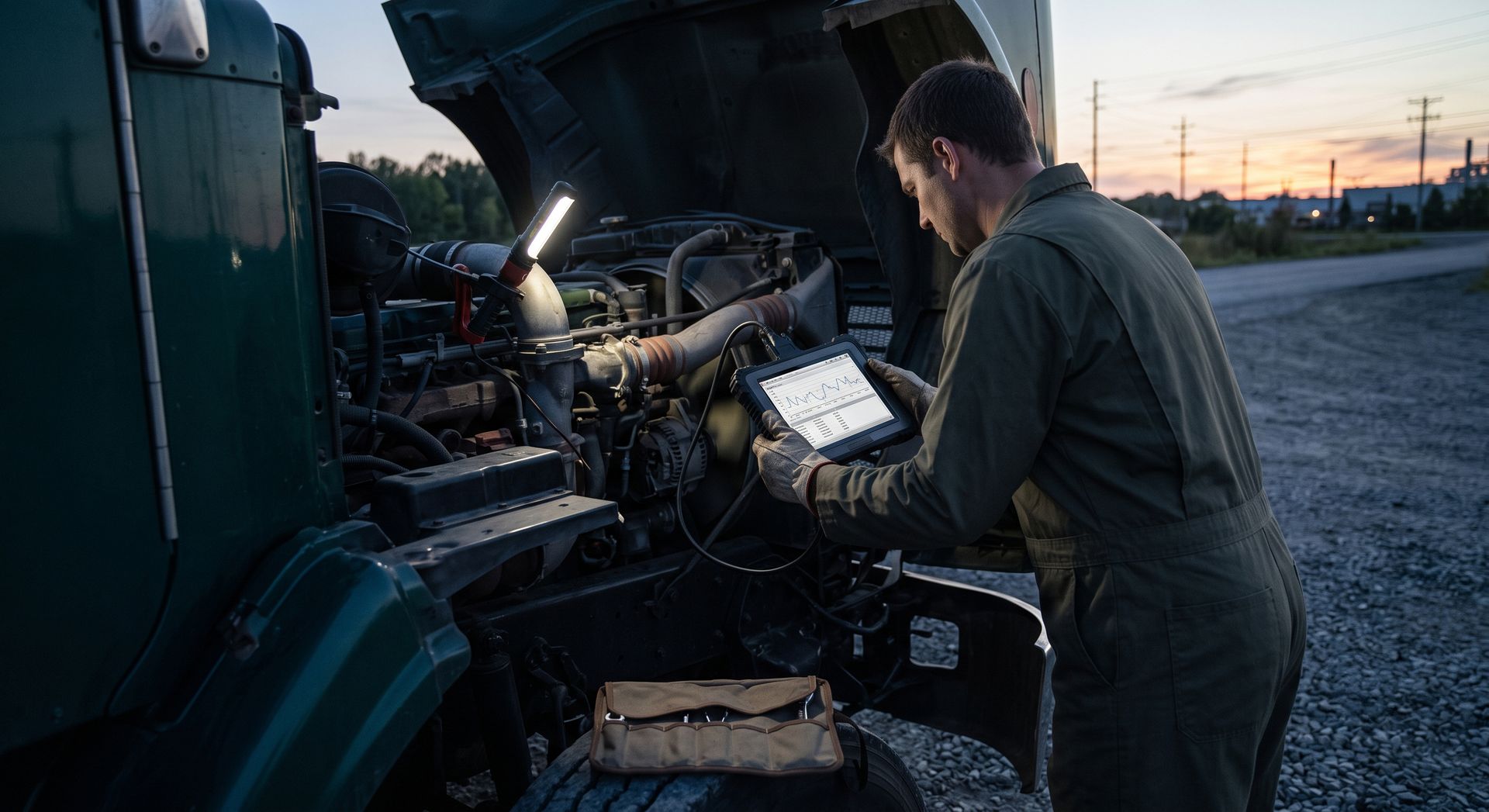
A diesel engine that runs at a normal temperature around town but overheats while climbing grades, hauling a heavy load, or operating under sustained demand is telling you something important. The radiator may be part of the problem, but it is not the only possibility. Cooling-system performance depends on several components working together, including the water pump, fan clutch, thermostat, coolant passages, belts, hoses, charge-air system, and even engine load itself. When overheating appears only under demand, diagnosis should focus on the entire system rather than one part. Heavy Load Exposes Weaknesses At idle or during light driving, the engine produces less heat. A marginal cooling system may still keep temperature under control because demand is low. Once the truck begins pulling hard, heat output increases significantly. That can expose a weak water pump, partially restricted radiator, slipping fan clutch, poor airflow, or coolant circulation problem that was not obvious under easier conditions. This is why a truck can appear completely normal in the shop and still overheat on the road.

A diesel engine can appear to have normal fuel pressure while idling and still develop serious fuel-delivery problems on the road. That is because the engine’s fuel demand changes dramatically under acceleration, while climbing grades, or when hauling a heavy load. A weak pump, restricted filter, collapsing fuel line, air intrusion, or other supply-side problem may not show up until the system is asked to deliver more fuel. For that reason, fuel pressure testing under load can be far more useful than checking pressure only at idle. Idle Testing Can Miss Real-World Problems At idle, the engine uses relatively little fuel . A marginal fuel system may still maintain acceptable pressure because demand is low. Once the truck accelerates or pulls under load, the required fuel volume rises. If the system cannot keep up, pressure may begin to drop. That pressure loss can cause hesitation, poor throttle response, reduced power, hard pulling under load, or intermittent fault codes. A truck that seems fine in the shop may therefore behave very differently on the highway.
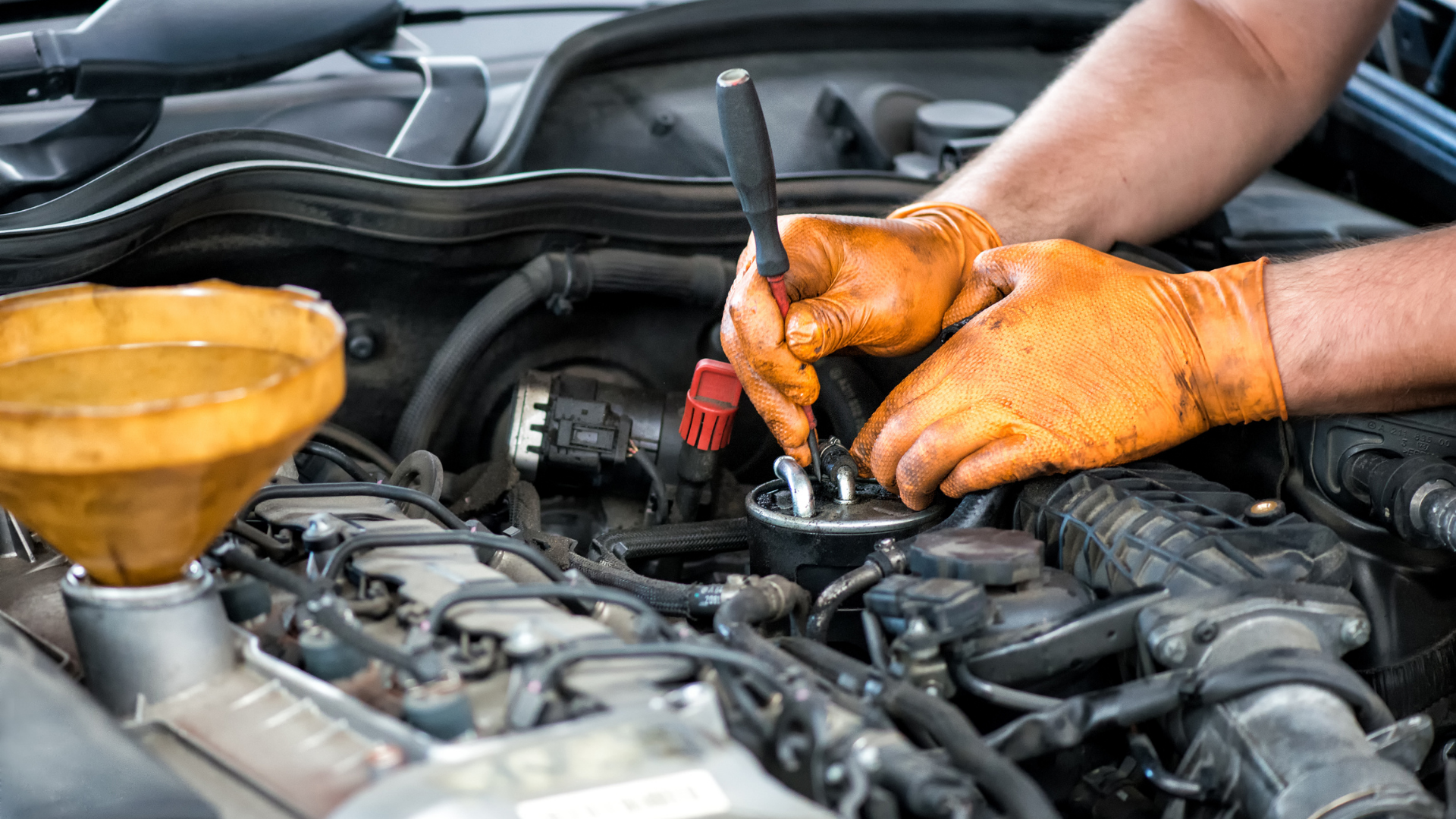
Modern diesel fuel systems operate under extremely high pressure and depend on clean, consistent fuel for lubrication, cooling, and precise injection. When water, dirt, microbial growth, or other contaminants enter the system, the damage can spread quickly. Fuel pumps and injectors contain tightly machined internal components with very little tolerance for debris or corrosion. For owner-operators and fleet managers, catching fuel contamination early can help prevent a relatively small problem from turning into an expensive fuel-system repair. Water Is One of the Biggest Threats Water can enter diesel fuel through condensation, contaminated storage tanks, poor-quality fuel, or damaged seals and caps. Once water reaches the fuel system , it can interfere with lubrication and promote corrosion. High-pressure fuel pumps rely on the fuel itself to help lubricate internal parts. If enough water is present, metal components may begin wearing or rusting. That damage can generate additional debris, which may then travel farther through the system.
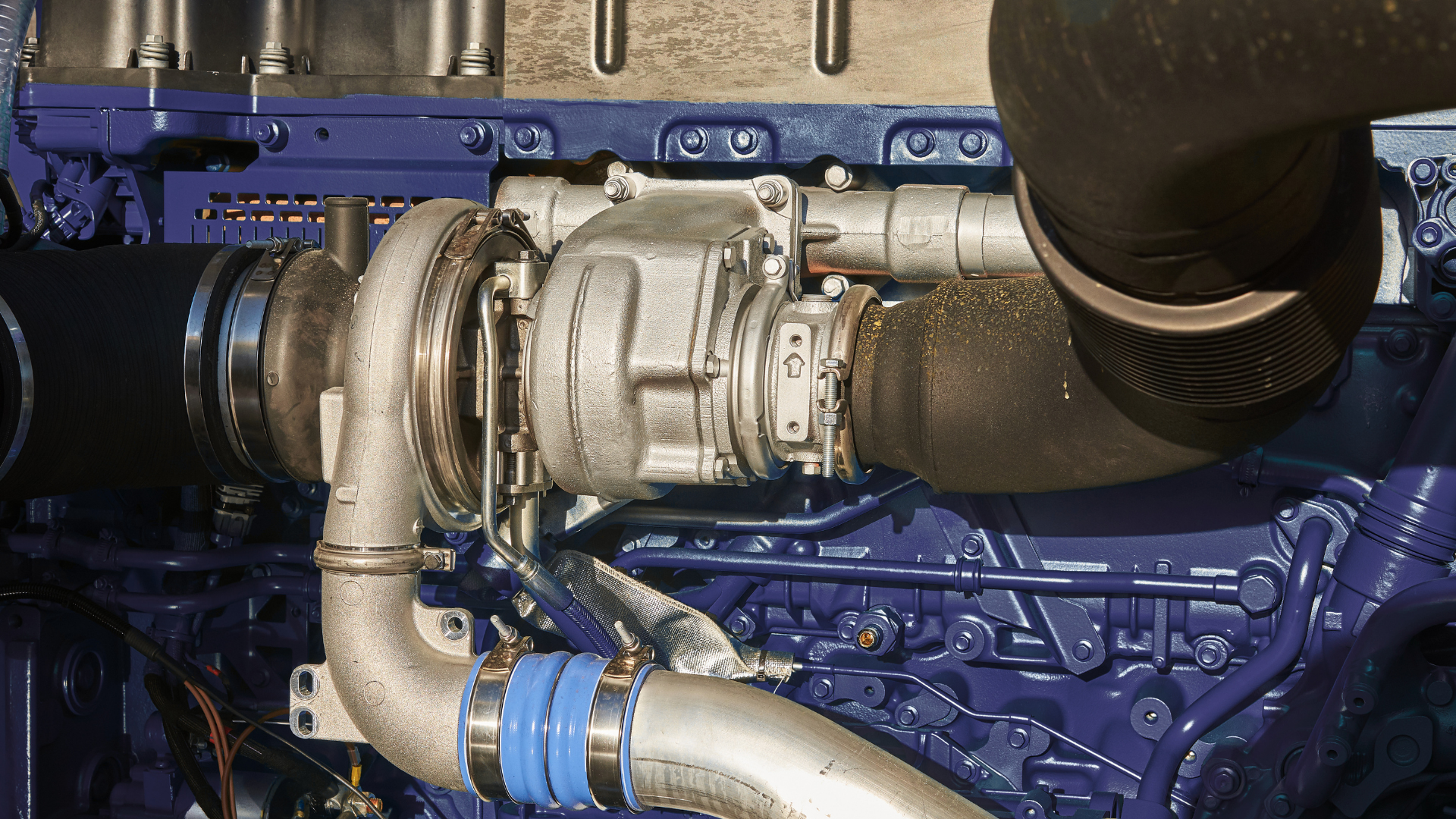
A diesel turbocharger works under extreme heat and speed. It forces more air into the engine so the engine can produce more power efficiently, but that performance depends on clean oil, unrestricted airflow, proper cooling, and healthy engine operation. When maintenance is neglected, the turbo can become one of the first expensive components to suffer. For owner-operators and fleet managers, preventive maintenance can help reduce the risk of premature turbocharger failure and the downtime that often comes with it. Clean Oil Is Critical Turbochargers depend heavily on engine oil. The turbo shaft spins at extremely high speed , and the bearings rely on a steady supply of clean oil for lubrication and cooling. If the oil is contaminated, degraded, or low, those bearings can wear quickly. Delayed oil changes can also allow deposits to form in the lubrication system. That can restrict oil flow to the turbo and increase heat inside the bearing housing. Following the correct oil-change interval and using the proper oil specification are two of the most important steps in protecting the turbocharger.
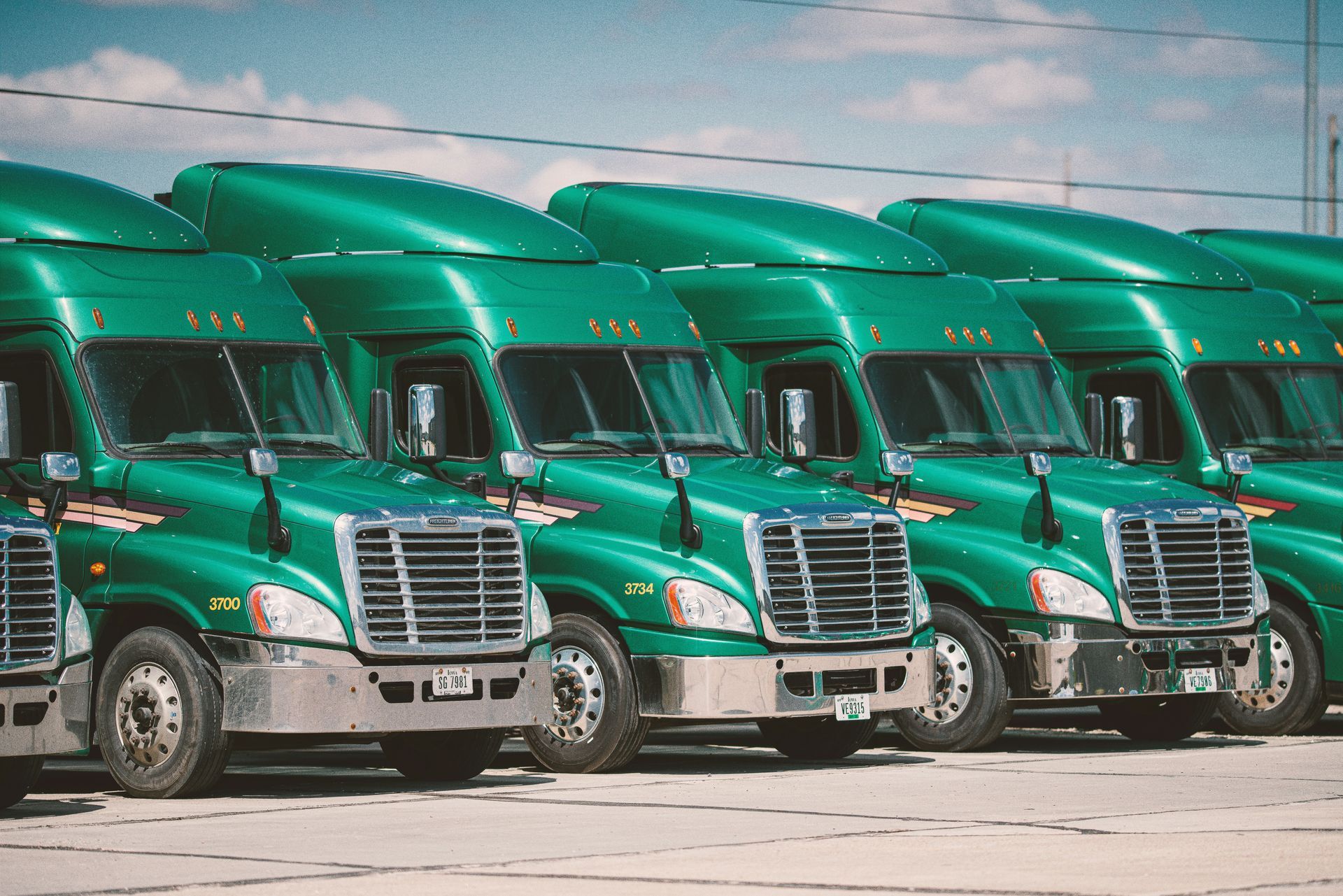
Preventive maintenance is one of the most effective ways to reduce unexpected downtime in a heavy-duty truck . A good inspection should do more than change the oil and look for obvious leaks. It should examine the systems that affect safety, reliability, fuel efficiency, and long-term operating costs. For owner-operators and commercial fleets across Western Pennsylvania and Eastern Ohio, a structured preventive maintenance routine can help identify developing problems before they turn into roadside breakdowns. Engine Oil and Filters Oil and filter service is one of the foundations of diesel maintenance. Engine oil lubricates internal components, helps manage heat, and carries contaminants to the filter. As oil ages, its ability to protect the engine can decline. A preventive maintenance inspection should verify oil level and condition, check for visible contamination, and confirm that oil and filters are being serviced according to the truck’s duty cycle and manufacturer recommendations. Diesel Diagnostic & Repair uses trusted heavy-duty oil brands including Shell Rotella, Mobil Delvac, and Chevron Delo.
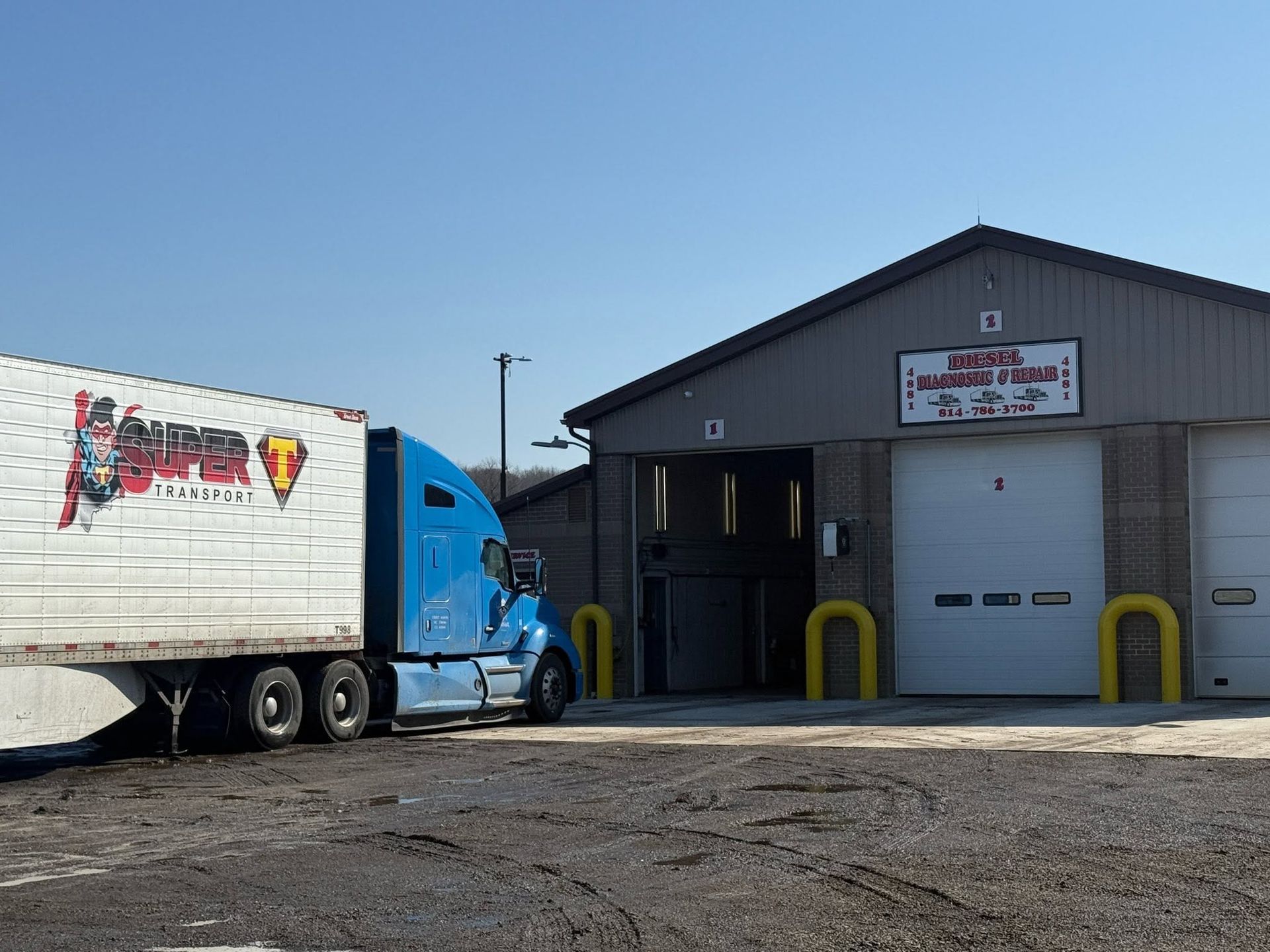
A diesel particulate filter, or DPF , is designed to trap soot from the exhaust and periodically burn that soot away through a process called regeneration. On a properly operating heavy-duty diesel truck, regeneration should occur as part of the normal aftertreatment cycle. When a truck starts requesting regenerations too often, however, it can signal a problem somewhere in the engine or emissions system. Frequent regeneration is not just inconvenient. It can increase downtime, fuel use, and stress on aftertreatment components if the underlying cause is not identified.
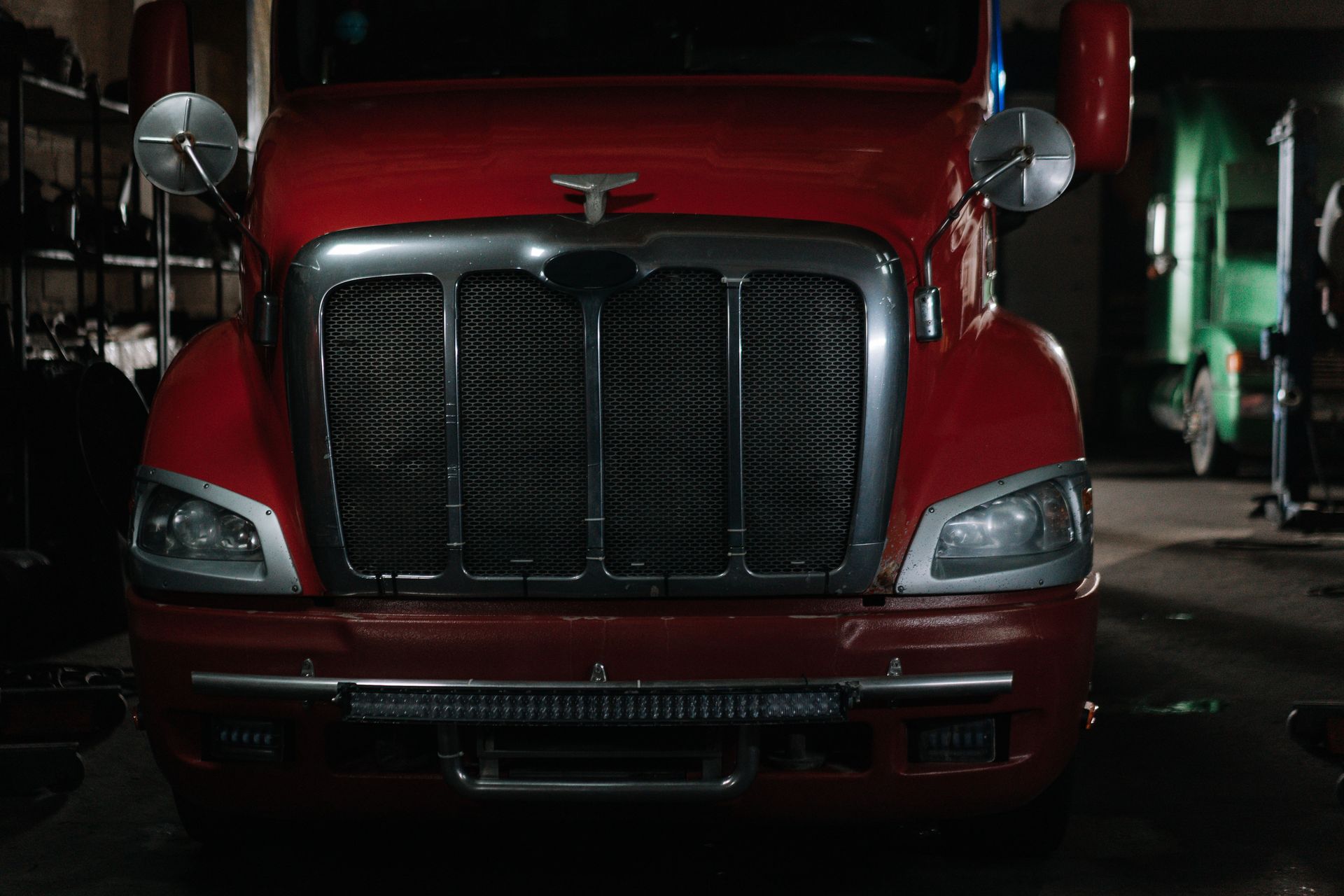
Troubleshoot why your diesel engine cranks but fails to start. Learn about fuel delivery issues, glow plug failures, and sensor problems.
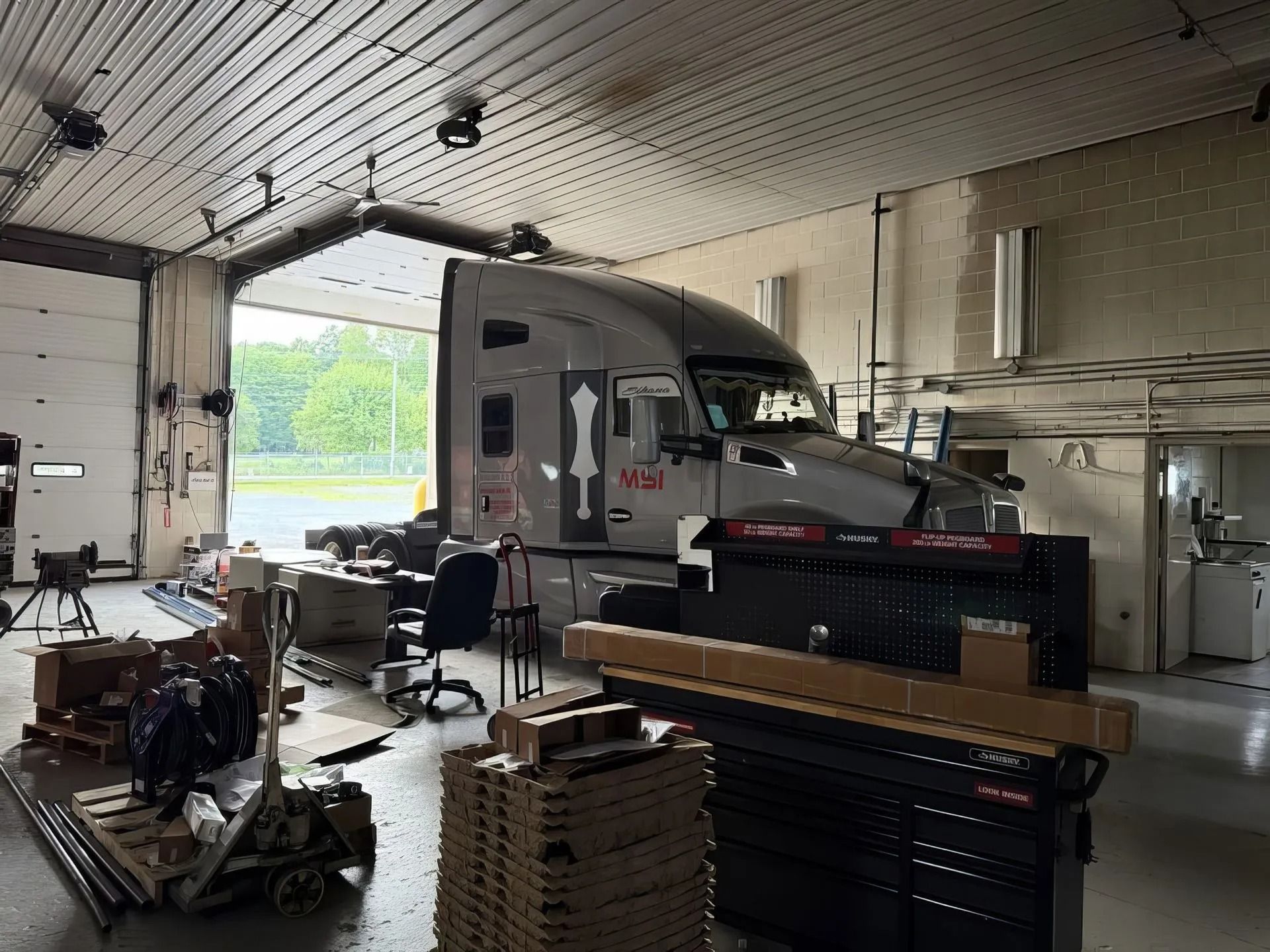
Is your diesel engine blowing black smoke? Discover common causes like clogged air filters or faulty injectors, and learn how to fix them.
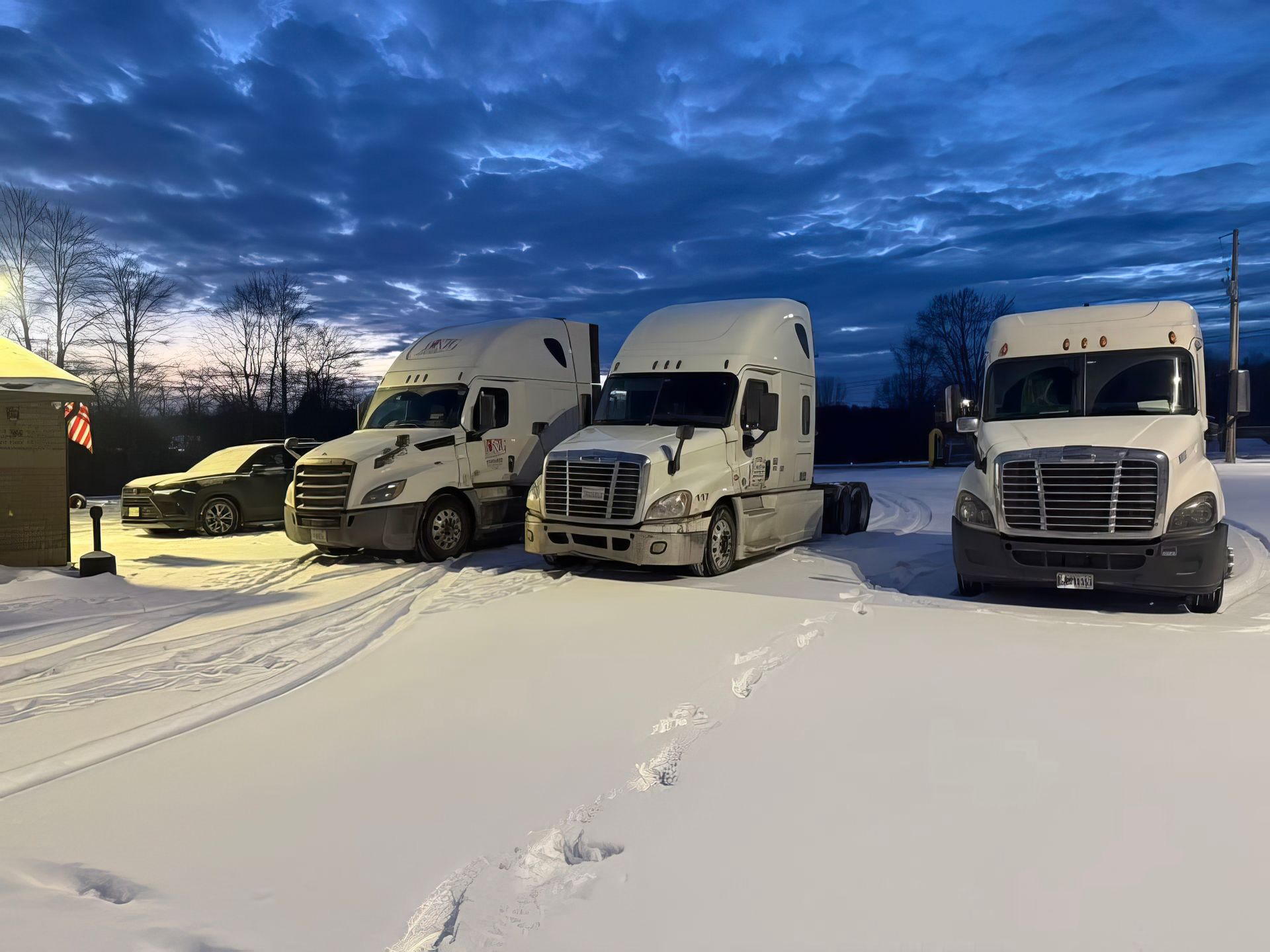
Maximize uptime and cut costs. Learn why hiring a dedicated diesel mechanic keeps your commercial fleet running safely and efficiently.
contact our team today
Have a question? We are here to help. Send us a message and we’ll be in touch.
 GET A FREE ESTIMATE