What Causes a Diesel Engine to Crank but Not Start?
Few problems are more frustrating for a truck driver than turning the key, hearing the engine crank normally, and getting no start. When a diesel engine cranks but refuses to fire, the problem can involve fuel delivery, electrical controls, air in the system, sensors, or other mechanical issues.
For owner-operators and fleet managers, accurate diagnosis matters. Replacing parts without confirming the cause can waste time and money while the truck remains out of service.
Start With the Fuel System
Diesel engines depend on precise fuel delivery.
A clogged fuel filter, weak fuel pump, low fuel pressure, contaminated fuel, or air entering the system can prevent the engine from starting even though the starter motor is turning normally.
If the truck recently ran low on fuel, had a filter changed, or developed a leak in the fuel system, air may have entered the lines. Diesel fuel systems must maintain proper pressure and flow, so even a relatively small problem can interfere with starting.

Low Fuel Pressure Can Prevent Injection
Modern heavy-duty diesel engines require sufficient fuel pressure before the injectors can operate correctly.
If pressure does not reach the required level during cranking, the engine control system may prevent or limit injection. Possible causes can include pump problems, restrictions, leaking components, faulty pressure regulators, or injector-related issues.
This is where diagnostic testing becomes important. Measuring actual pressure and comparing it with commanded values can reveal much more than simply assuming the fuel pump has failed.
Electrical Problems Can Look Like Fuel Problems
A diesel engine can crank while still having an electrical or electronic problem that prevents it from starting.
Modern trucks rely on numerous sensors and control modules. A failed crankshaft position sensor, camshaft position sensor, wiring problem, blown fuse, poor connection, or control-system fault can prevent the engine computer from receiving the information it needs to trigger fuel injection.
The fact that the starter is working does not mean every electrical system required for combustion is functioning correctly.
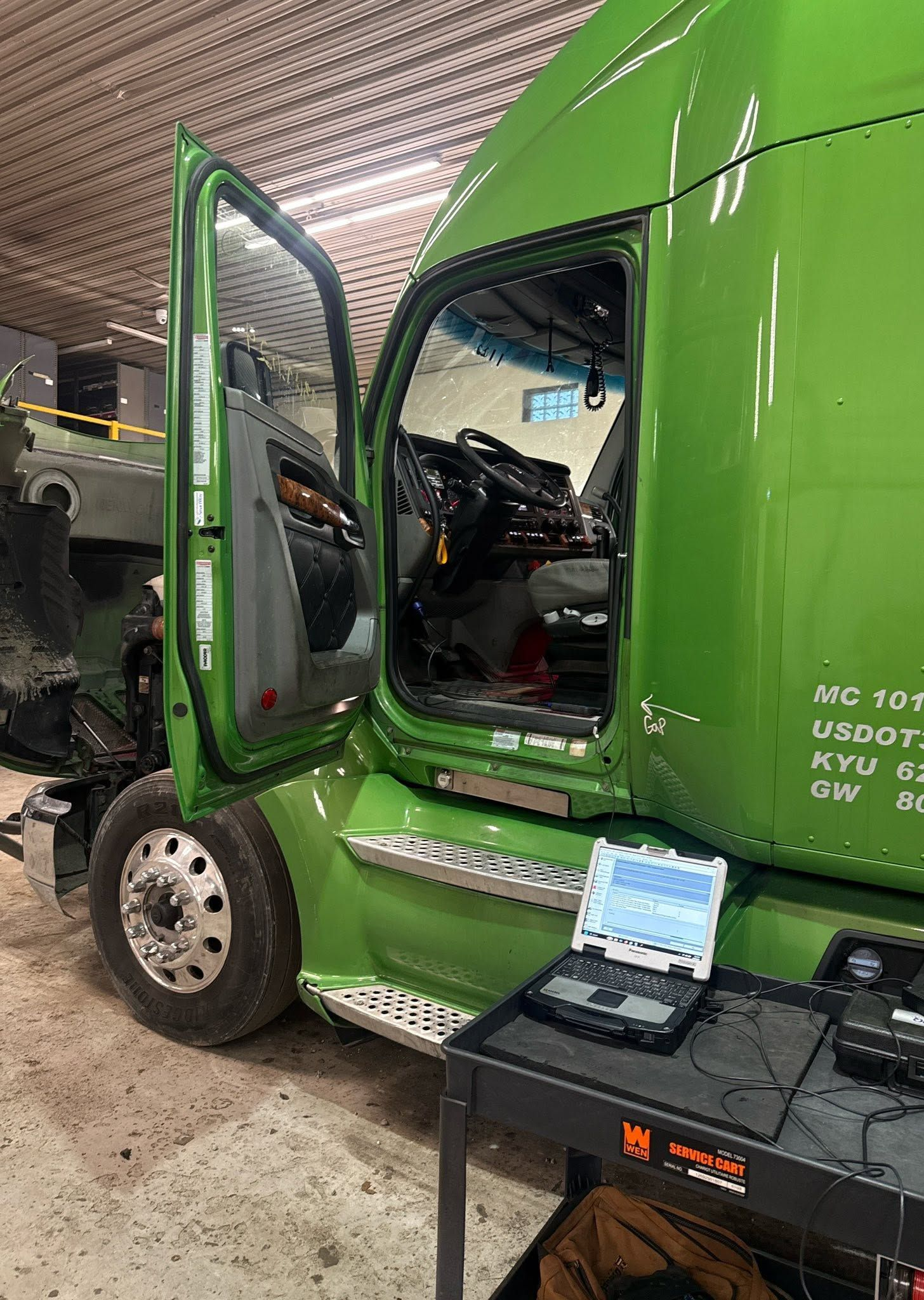
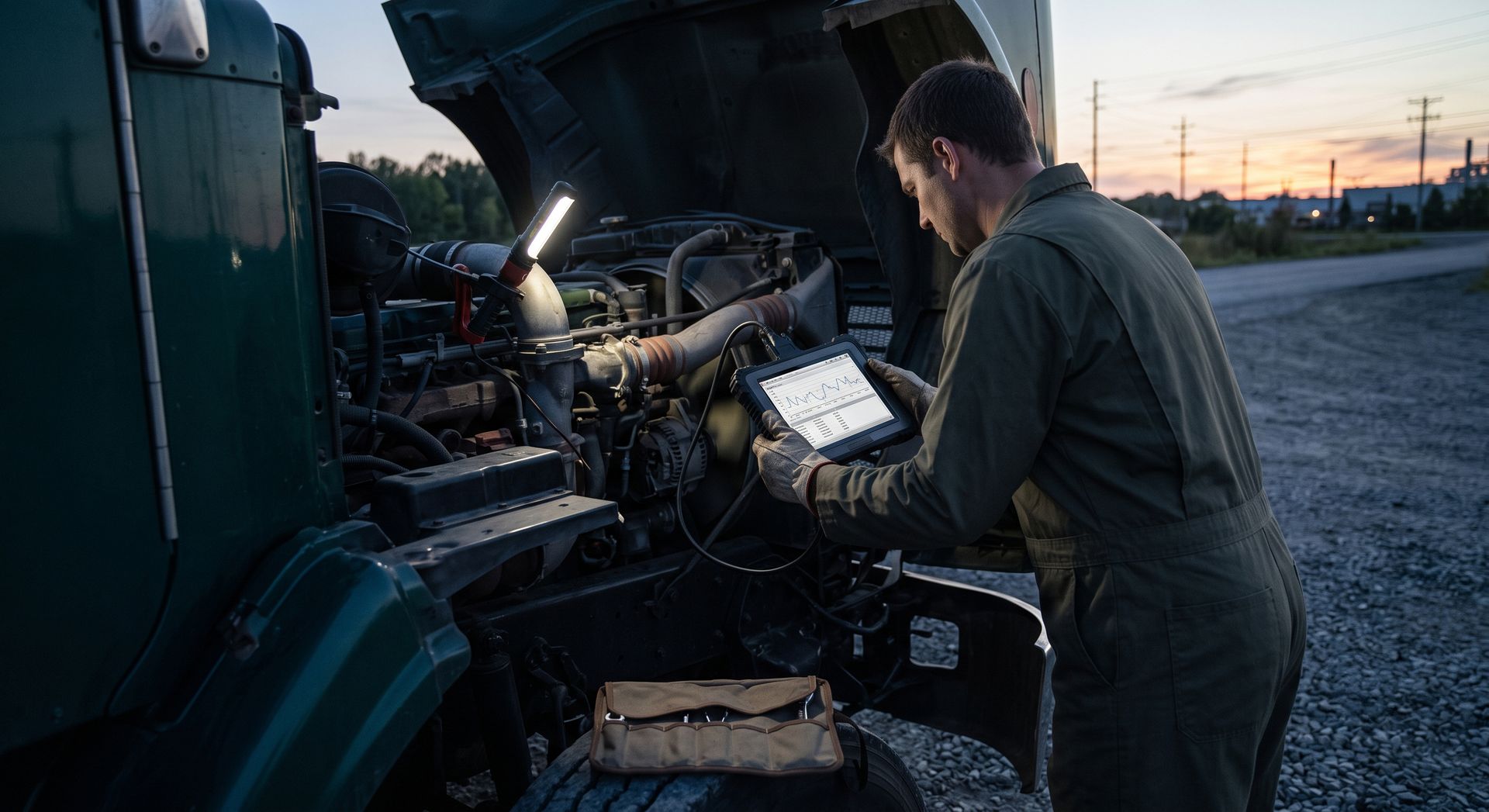
Computerized diagnostics can help identify stored trouble codes and evaluate sensor data while the engine is being cranked.
Battery Condition Still Matters
A truck may appear to crank normally while battery voltage is actually dropping too low.
Heavy-duty diesel engines require considerable electrical power during startup. If battery voltage falls below the level needed by engine control modules and fuel-system electronics, the starter may continue turning while other systems fail to operate properly.
Weak batteries, corroded terminals, poor grounds, or damaged cables can all contribute to this situation.
Testing voltage under load can help determine whether the electrical supply is part of the problem.
Cold Weather Can Make Starting Problems Worse
Diesel engines can be especially sensitive to cold conditions.
Low temperatures can reduce battery performance and make fuel-system or compression problems more noticeable. Glow plugs, intake heaters, or other cold-start systems may also play an important role depending on the engine design.
A truck that starts reliably during warmer weather but becomes difficult to start in winter may have a developing issue that cold temperatures are exposing rather than creating.
Mechanical Problems Are Also Possible
Not every crank-no-start condition is caused by fuel or electronics.
Insufficient compression, timing problems, internal engine damage, or other mechanical failures can prevent combustion. These possibilities are generally investigated after more common fuel and electrical causes have been evaluated.
A technician may use compression testing, pressure measurements, scan data, and other diagnostic procedures to narrow down the cause before major repairs are considered.
Why Guessing at Parts Can Get Expensive
A crank-no-start problem can involve several systems that produce very similar symptoms.
Replacing a fuel pump because the engine is not receiving fuel may not solve anything if a sensor is preventing injection. Replacing batteries may not help if the real problem is low fuel pressure. Installing injectors without testing can become especially costly.
The goal should be to determine what the engine is missing: sufficient fuel, correct pressure, proper electrical signals, adequate compression, or another requirement for combustion.
Get the Truck Back on the Road
A diesel engine that cranks but will not start requires systematic diagnosis rather than guesswork. Fuel supply, pressure, batteries, sensors, wiring, cold-start systems, and mechanical condition may all need to be considered.
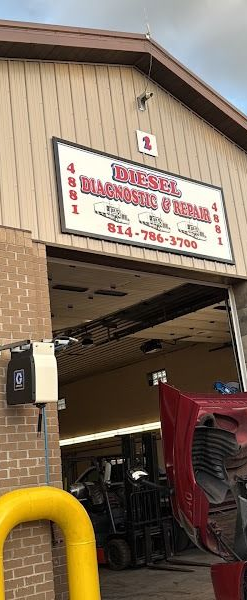
Diesel Diagnostic & Repair provides computerized diesel diagnostics, heavy-duty truck repair, preventive maintenance, and 24/7 roadside support for owner-operators and commercial fleets throughout Western Pennsylvania and Eastern Ohio. If your truck cranks but refuses to start, contact Diesel Diagnostic & Repair at (814) 786-3700 for professional diagnosis and a clear repair plan designed to minimize unnecessary parts replacement and downtime.

 GET A FREE ESTIMATE