Why a DPF Can Keep Regenerating Too Frequently
A diesel particulate filter, or DPF, is designed to trap soot from the exhaust and periodically burn that soot away through a process called regeneration. On a properly operating heavy-duty diesel truck, regeneration should occur as part of the normal aftertreatment cycle.
When a truck starts requesting regenerations too often, however, it can signal a problem somewhere in the engine or emissions system. Frequent regeneration is not just inconvenient. It can increase downtime, fuel use, and stress on aftertreatment components if the underlying cause is not identified.
Excessive Soot Production Can Fill the DPF Faster
One of the most common reasons for frequent regeneration is excessive soot production.
The DPF can only hold a certain amount of soot before regeneration becomes necessary. If the engine is producing more soot than normal, the filter may reach that threshold much faster.
Possible causes can include poor combustion, injector problems, air restriction, turbocharger issues, EGR system problems, or other engine conditions that affect the air-fuel mixture.
In this situation, the DPF may be doing exactly what it is supposed to do. The real problem is that the engine is creating too much soot upstream.
Short Trips and Extended Idling Can Contribute
Operating conditions also affect regeneration frequency.
Heavy-duty trucks that spend long periods idling or making repeated short trips may not consistently reach the exhaust temperatures needed for passive regeneration.
When soot is not burned away naturally during normal operation, the system may require active regeneration more often.
This is why duty cycle matters during diagnosis. A truck used for long highway runs may behave very differently from one that spends most of its day idling, operating locally, or moving slowly through job sites and yards.
Failed Regenerations Can Create a Repeating Cycle
Sometimes a regeneration begins but does not complete successfully.
The truck may be shut down too early, exhaust temperatures may not become high enough, or another fault may interrupt the process.
If soot remains in the filter, the system may request another regeneration soon afterward.
Repeated incomplete regenerations can eventually lead to heavier restriction, warning lights, reduced engine performance, or derate conditions.
Drivers should pay attention when regeneration requests begin happening much more frequently than normal rather than repeatedly clearing the warning without investigating why.
Sensors Can Give the System Incorrect Information
The aftertreatment system relies on several sensors to determine what is happening inside the exhaust.
Differential pressure sensors help estimate restriction across the DPF, while exhaust temperature sensors provide information needed during regeneration. Other emissions sensors also contribute to overall system operation.
If one of these sensors provides inaccurate information, the engine control module may believe the filter is more restricted than it actually is or may struggle to complete regeneration properly.
This is one reason replacing the DPF immediately is not always the correct first step.
Ash Is Different From Soot
Regeneration burns soot, but it does not remove everything that accumulates inside a DPF.
Over time, noncombustible ash can build up in the filter. Ash comes from sources such as engine oil additives and normal engine operation.
Eventually, a DPF with significant ash accumulation may require professional cleaning or replacement depending on its condition and manufacturer recommendations.
If a filter is heavily ash-loaded, regenerations may become more frequent because the available capacity for soot has been reduced.
Engine Problems Can Affect the Aftertreatment System
A DPF problem is sometimes actually an engine problem showing up downstream.
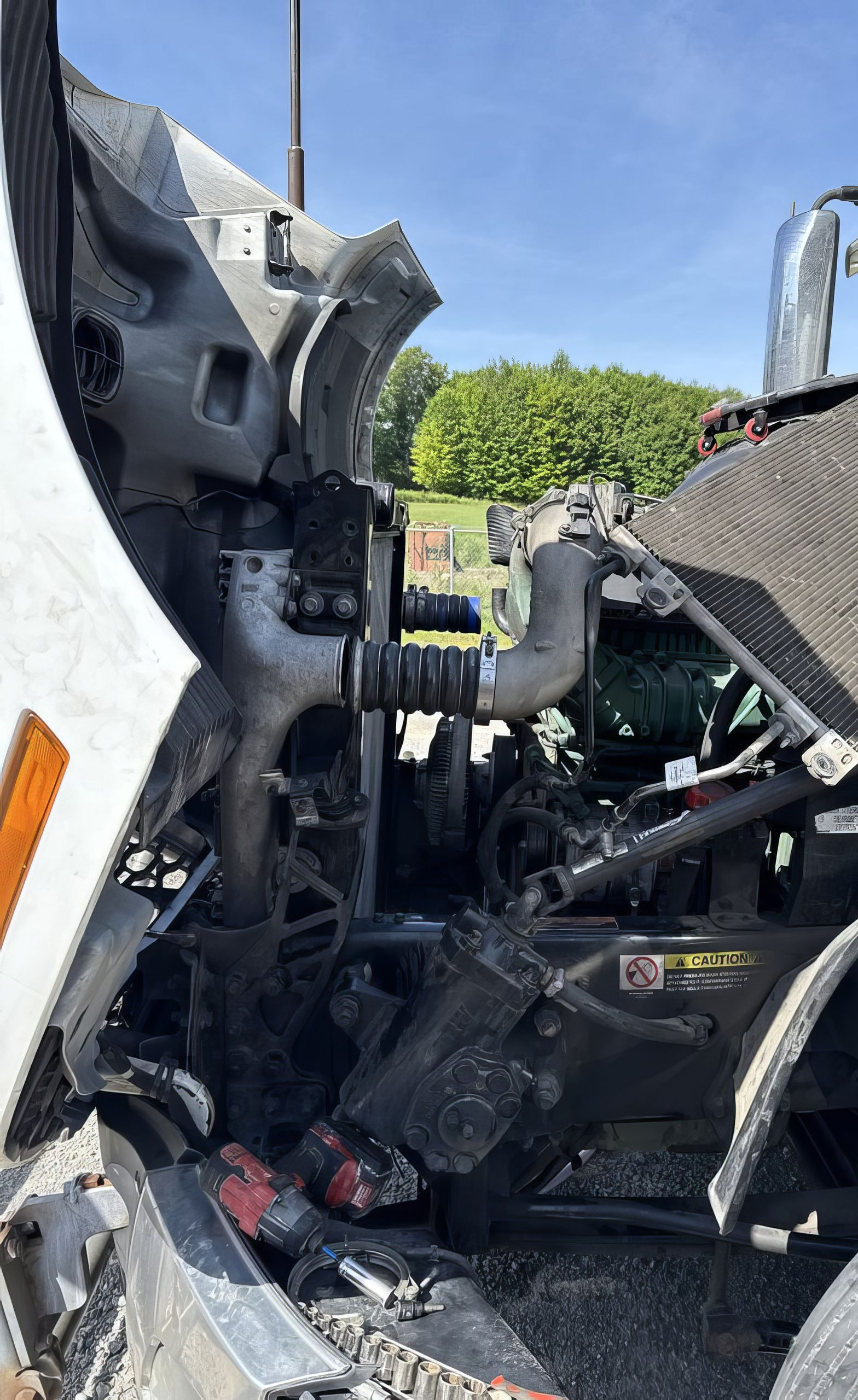
For example, an injector that is not operating correctly, an intake restriction, an EGR issue, or a turbocharger problem can change combustion and increase soot production.
Oil consumption can also contribute to aftertreatment contamination.
Simply forcing repeated regenerations or replacing emissions components without checking engine performance can lead to unnecessary repair costs while leaving the original problem unresolved.
Accurate Diagnostics Matter
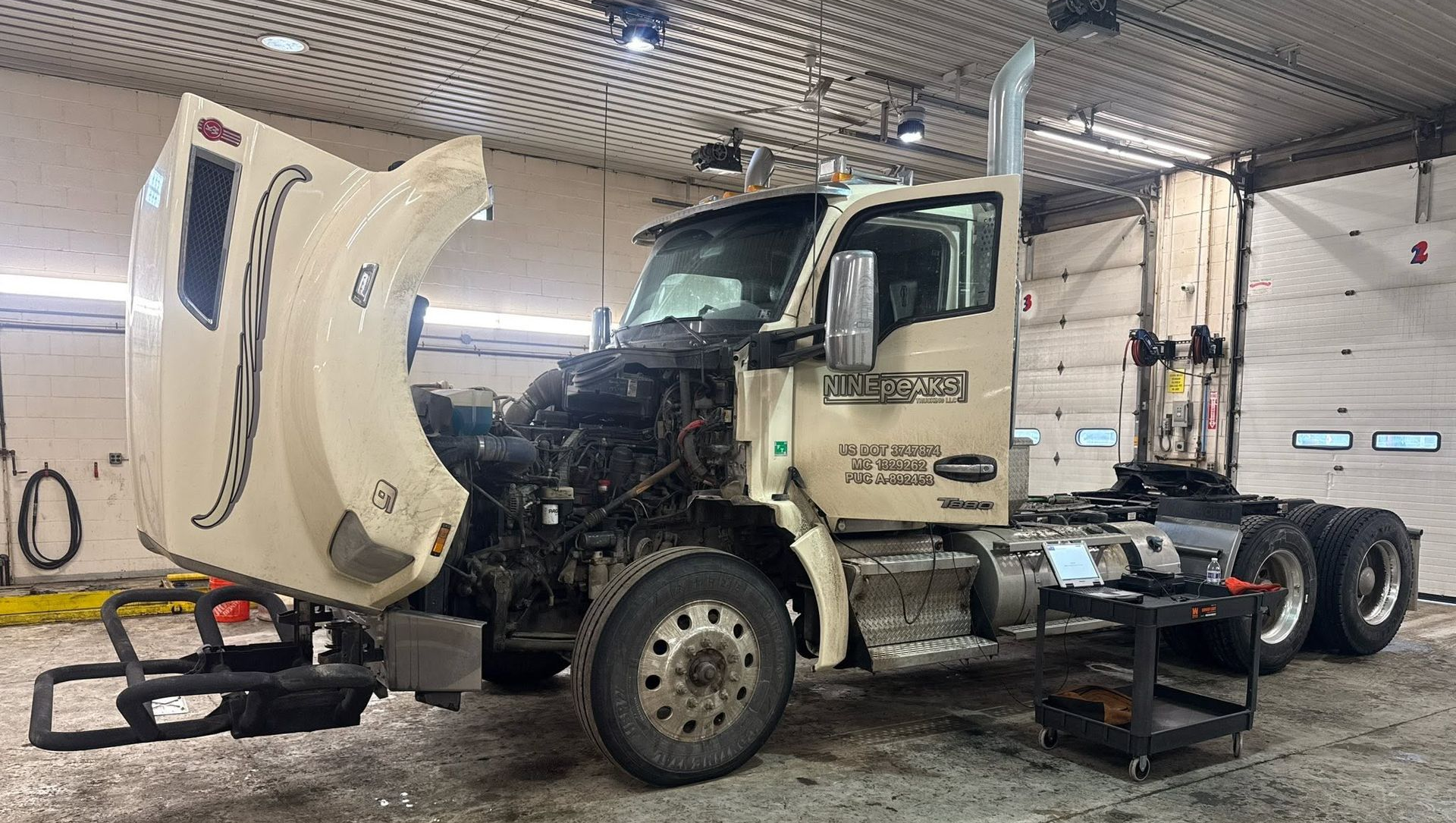
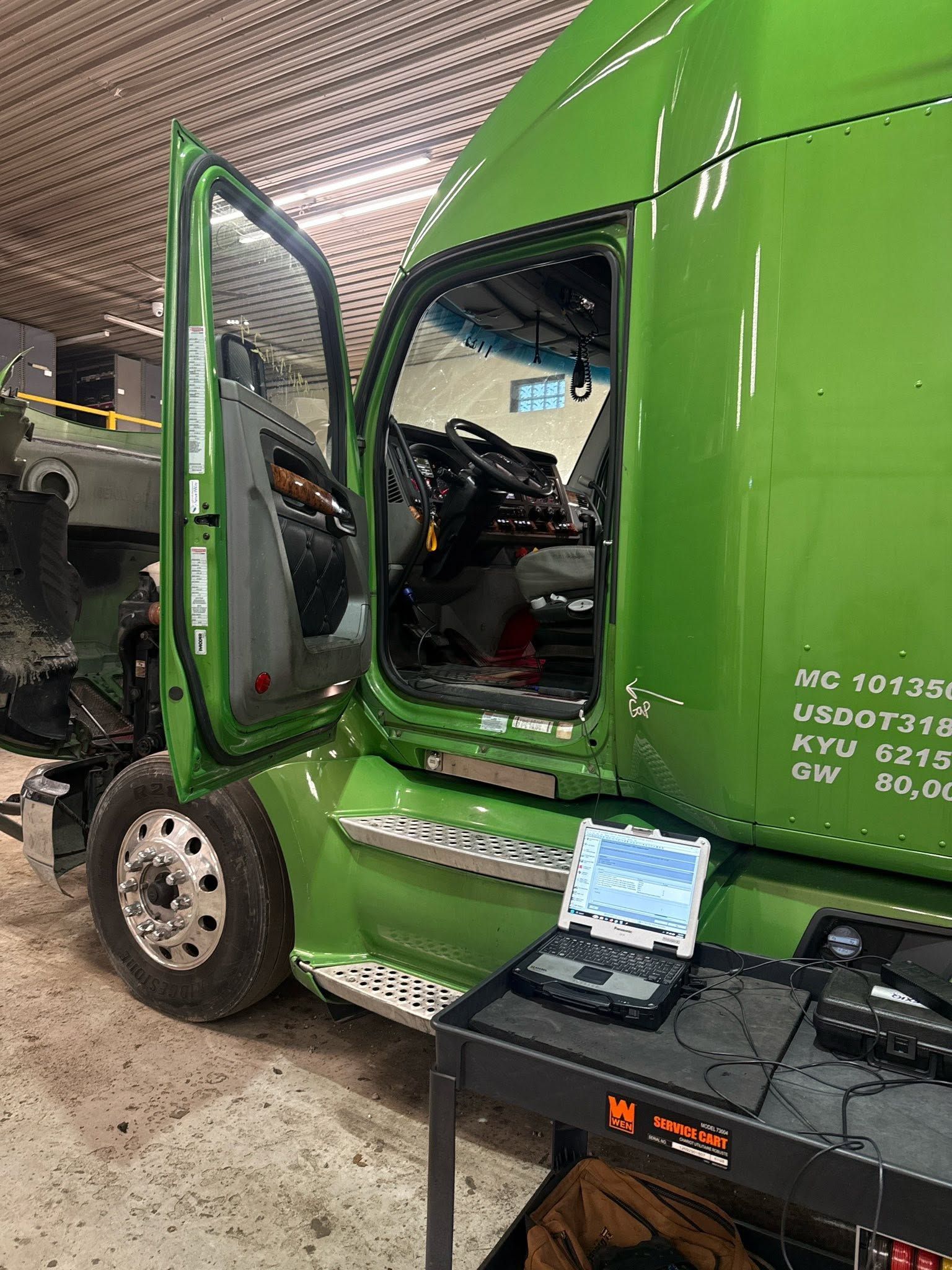
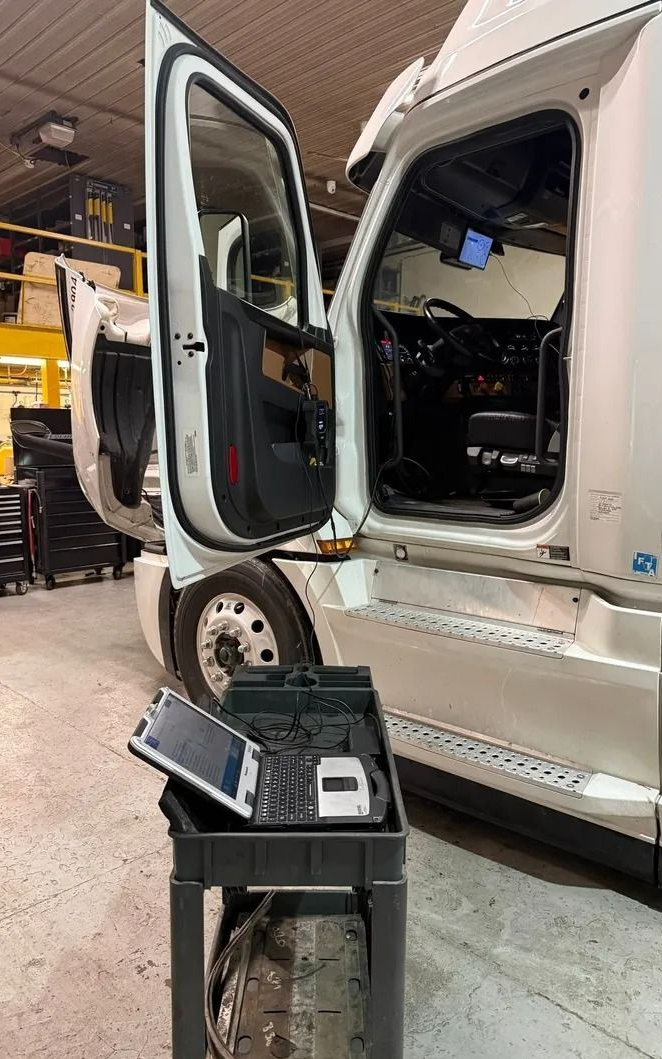
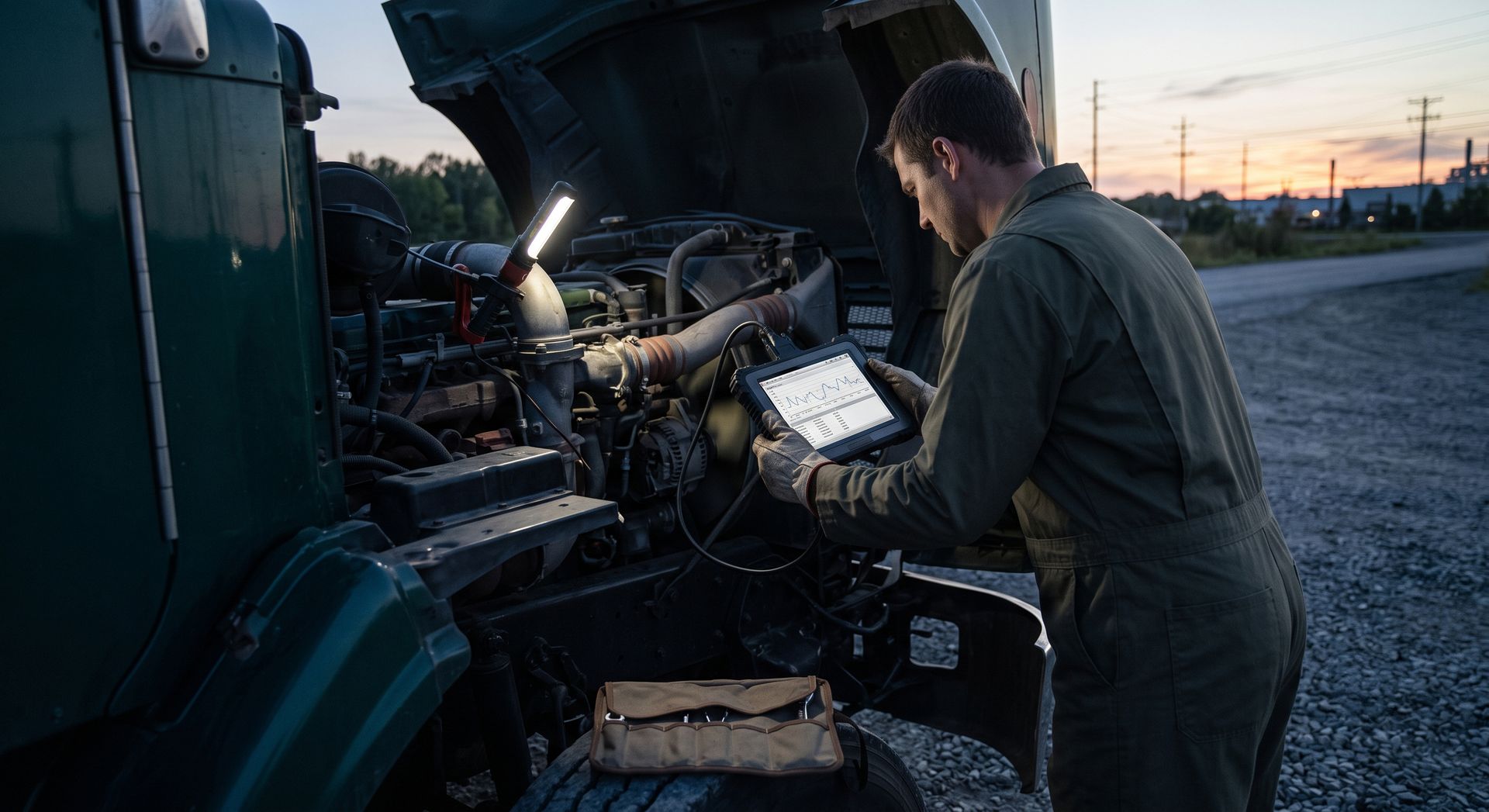
When a truck regenerates too frequently, computerized diagnostics can help determine what the system is actually seeing.
A technician may review fault codes, DPF differential pressure, soot load estimates, exhaust temperatures, regeneration history, and other live data. The engine and fuel system may also need to be evaluated if excessive soot production is suspected.
The goal should be to identify why the regeneration frequency changed rather than assuming the DPF itself has failed.
Find the Cause Before Replacing Parts
Frequent DPF regeneration can be caused by operating conditions, excessive soot production, faulty sensors, incomplete regenerations, ash buildup, or other engine and aftertreatment problems. Because several different faults can produce similar symptoms, accurate testing is critical.
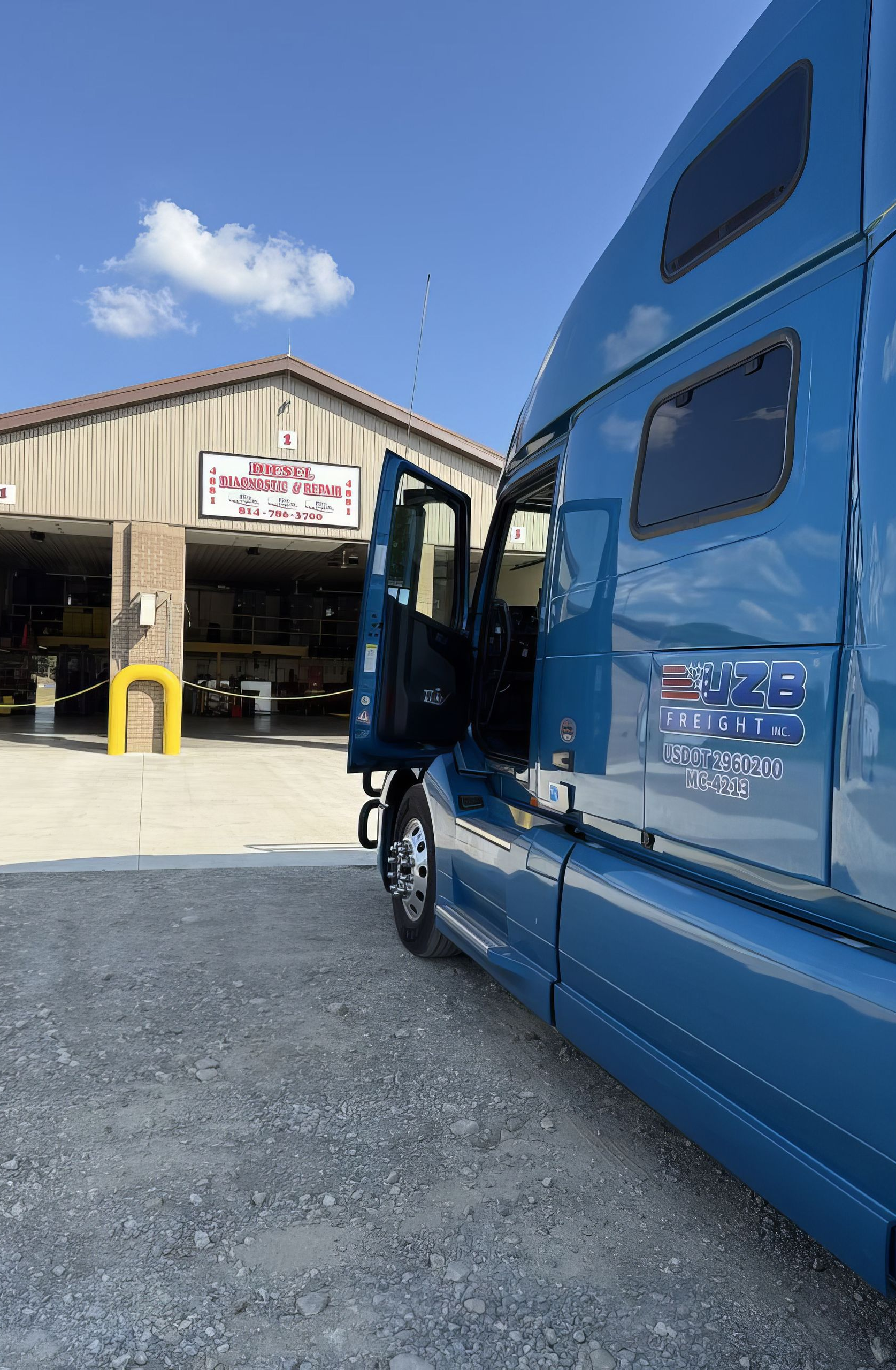
Diesel Diagnostic & Repair provides computerized diesel diagnostics, heavy-duty truck repair, emissions-system troubleshooting, preventive maintenance, transmission and differential service, and 24/7 roadside assistance throughout Western Pennsylvania and Eastern Ohio.
If your truck is requesting regenerations more often than normal, contact Diesel Diagnostic & Repair at (814) 786-3700. Proper diagnosis can help identify the source of the problem before unnecessary parts are replaced or a minor aftertreatment issue turns into extended downtime.


 GET A FREE ESTIMATE