What a Thorough Heavy-Duty Preventive Maintenance Inspection Should Include
Preventive maintenance is one of the most effective ways to reduce unexpected downtime in a heavy-duty truck. A good inspection should do more than change the oil and look for obvious leaks. It should examine the systems that affect safety, reliability, fuel efficiency, and long-term operating costs.
For owner-operators and commercial fleets across Western Pennsylvania and Eastern Ohio, a structured preventive maintenance routine can help identify developing problems before they turn into roadside breakdowns.
Engine Oil and Filters
Oil and filter service is one of the foundations of diesel maintenance.
Engine oil lubricates internal components, helps manage heat, and carries contaminants to the filter. As oil ages, its ability to protect the engine can decline.
A preventive maintenance inspection should verify oil level and condition, check for visible contamination, and confirm that oil and filters are being serviced according to the truck’s duty cycle and manufacturer recommendations.
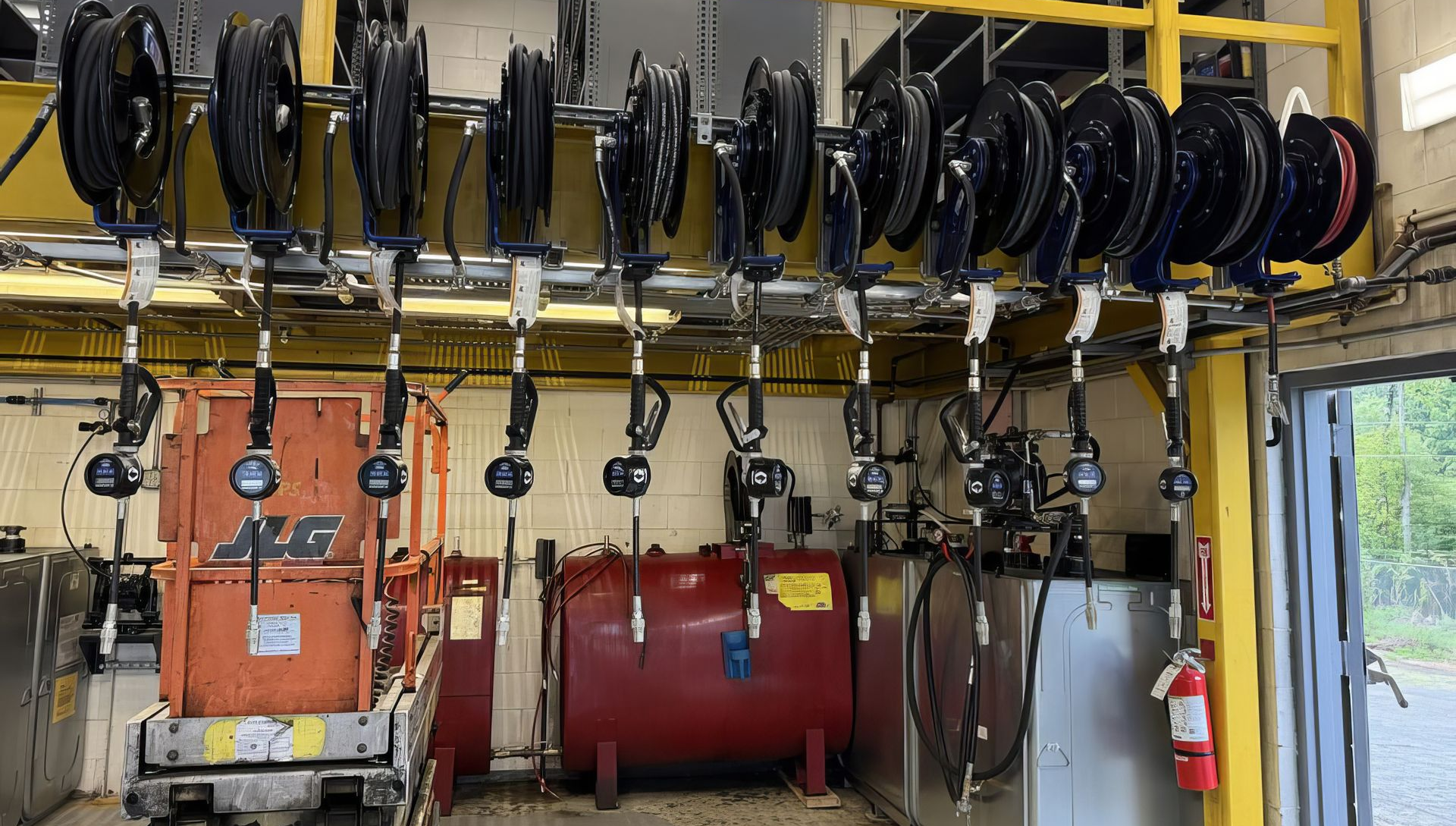
Diesel Diagnostic & Repair uses trusted heavy-duty oil brands including Shell Rotella, Mobil Delvac, and Chevron Delo.
Coolant and Other Fluids
Coolant condition matters just as much as engine oil.
A diesel engine that runs hot or operates with degraded coolant can face serious problems. A thorough inspection should check coolant level, visible leaks, hose condition, reservoir condition, and signs of contamination.
Transmission fluid, differential fluid, power steering fluid, and washer fluid should also be reviewed as appropriate.
Small fluid losses may be the first sign of a seal, hose, gasket, or component problem.
Chassis Greasing
Heavy-duty trucks contain numerous moving joints that depend on proper lubrication.
Chassis greasing helps reduce friction and wear in suspension, steering, and driveline components. Skipping grease intervals can accelerate wear, especially on trucks that operate in demanding environments.
A preventive maintenance visit should include grease points specified for the vehicle and inspection of components that may already be showing looseness or wear.
Brakes, Steering, and Suspension
These systems directly affect safety and vehicle control.
Technicians should inspect brake components, air lines, hoses, steering linkage, suspension parts, and related hardware for wear, leaks, looseness, or damage.
Uneven tire wear, poor handling, steering play, or unusual braking behavior can sometimes point to problems in these areas before a driver notices a major failure.
Catching worn parts early can also help prevent secondary damage.
Tires and Tire Pressure
Tires should be part of every preventive maintenance inspection.
Pressure, tread depth, irregular wear, cuts, bulges, and visible damage should all be checked.
Incorrect tire pressure can affect fuel economy, handling, heat buildup, and tire life. Uneven wear may also reveal alignment, suspension, or steering problems that deserve further attention.
For fleets, tracking tire condition over time can help identify repeat issues across specific trucks or routes.
Electrical and Charging Systems
Modern heavy-duty trucks rely heavily on electrical and electronic systems.
A preventive inspection should include the batteries, terminals, cables, charging system, and visible wiring where appropriate.
Corrosion, loose connections, weak batteries, or voltage problems can create hard starts, intermittent faults, communication issues, or roadside no-start conditions.
Electrical problems are often easier and less expensive to address before they become complete failures.
Aftertreatment and Emissions Systems
DPF, DEF, and SCR systems should not be ignored until a warning light appears.
A preventive maintenance review can include checking for stored fault codes, abnormal regeneration history, DEF concerns, exhaust leaks, and other signs that the aftertreatment system may not be operating normally.
Frequent regenerations or recurring emissions codes can sometimes point to an upstream engine problem rather than the aftertreatment component itself.
Early diagnosis can help avoid delays and extended downtime.
Belts, Hoses, and Visible Leaks
Belts and hoses often provide warning signs before they fail.
Cracking, glazing, swelling, fraying, soft spots, or seepage can all indicate that replacement should be considered.
The engine compartment should also be checked for fuel, oil, coolant, or air leaks.
A minor leak today can become a major roadside problem later, especially under heavy load or extreme temperatures.
Diagnostics and Repair History
Preventive maintenance should include more than a visual inspection.
Reviewing fault history, live data, and previous repairs can reveal patterns that might otherwise be missed.
If the same code keeps returning or one truck repeatedly develops the same symptom, that pattern deserves a deeper look.
Good maintenance records help technicians distinguish between isolated problems and developing trends.
Build Maintenance Around How the Truck Actually Works
A thorough preventive maintenance program should reflect mileage, engine hours, duty cycle, load, terrain, idling time, and operating conditions.
Diesel Diagnostic & Repair provides preventive maintenance, computerized diesel diagnostics, heavy-duty truck repair, oil changes, chassis greasing, transmission and differential service, and 24/7 roadside support throughout Western Pennsylvania and Eastern Ohio.
If your truck or fleet needs a more complete maintenance routine, contact Diesel Diagnostic & Repair at (814) 786-3700. A thorough inspection can help catch small problems early, reduce avoidable breakdowns, and keep working trucks on the road.





 GET A FREE ESTIMATE