How Preventive Maintenance Helps Protect a Diesel Turbocharger
A diesel turbocharger works under extreme heat and speed. It forces more air into the engine so the engine can produce more power efficiently, but that performance depends on clean oil, unrestricted airflow, proper cooling, and healthy engine operation.
When maintenance is neglected, the turbo can become one of the first expensive components to suffer.
For owner-operators and fleet managers, preventive maintenance can help reduce the risk of premature turbocharger failure and the downtime that often comes with it.
Clean Oil Is Critical
Turbochargers depend heavily on engine oil.
The turbo shaft spins at extremely high speed, and the bearings rely on a steady supply of clean oil for lubrication and cooling. If the oil is contaminated, degraded, or low, those bearings can wear quickly.
Delayed oil changes can also allow deposits to form in the lubrication system.
That can restrict oil flow to the turbo and increase heat inside the bearing housing.
Following the correct oil-change interval and using the proper oil specification are two of the most important steps in protecting the turbocharger.
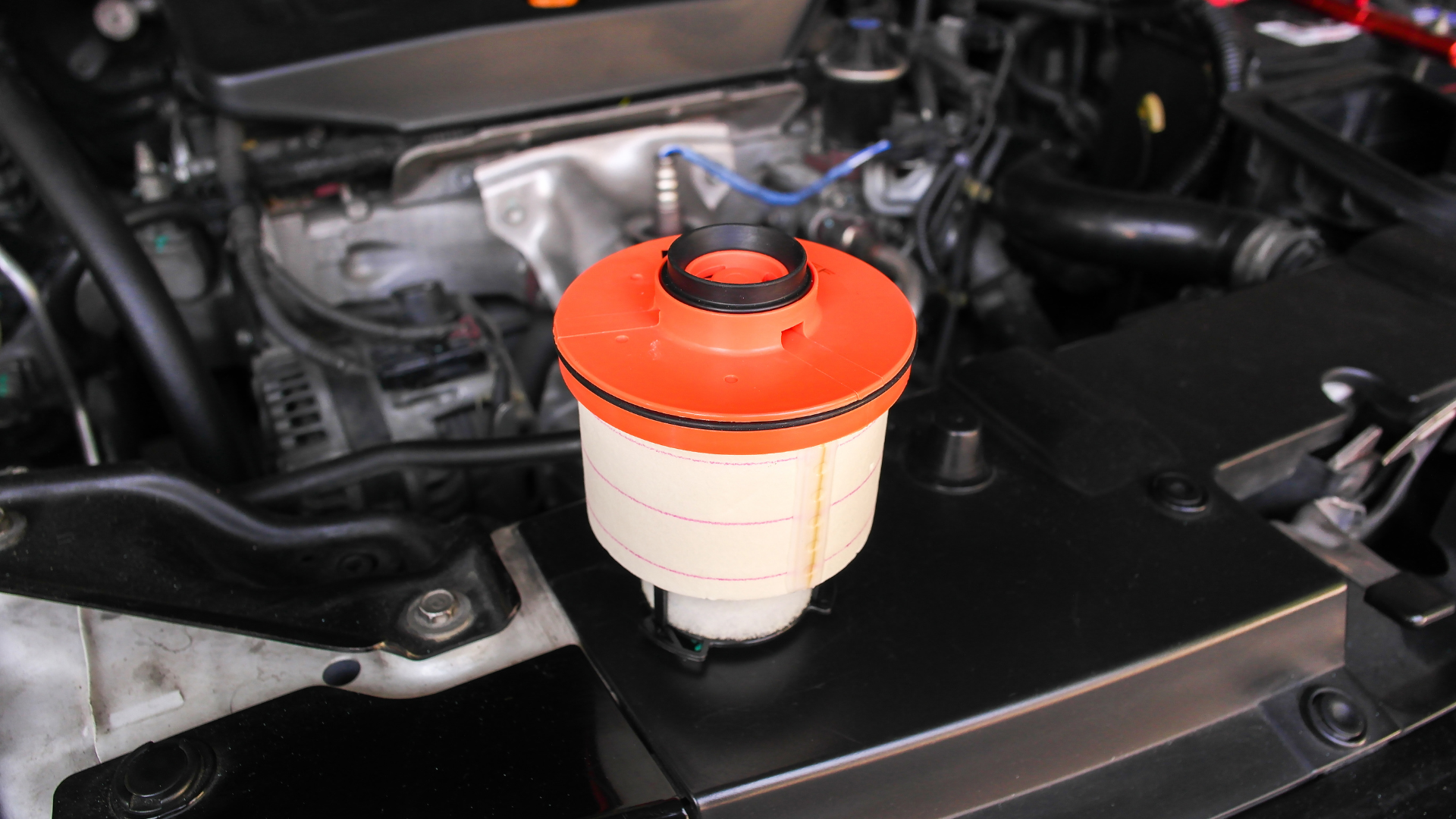
Oil Filters Matter Too
Fresh oil cannot do its job properly if contaminants are circulating through the system.
A clogged or low-quality oil filter may allow dirty oil to reach sensitive engine components.
For turbocharged diesel engines, that can become especially damaging because of the extremely tight clearances inside the turbocharger.
Routine filter replacement should therefore be treated as part of turbo maintenance, not just basic engine service.
Airflow Problems Can Damage the Turbo
The intake side of the engine also deserves attention.
A dirty air filter can restrict airflow and force the turbocharger to work harder to meet boost demand.
Leaks in the intake piping, loose clamps, damaged boots, or cracked charge-air components can also affect boost pressure.
Those problems may make it appear as though the turbo itself is failing when the real issue is somewhere else in the air system.
Regular intake inspections can catch these problems before unnecessary parts are replaced.

Boost Leaks Should Be Diagnosed Early
A truck that feels weak under load or struggles to build boost does not always need a new turbocharger.
Charge-air cooler leaks, damaged hoses, loose connections, or intake leaks can all cause similar symptoms.
That is why pressure testing and computerized diagnostics are important.
At Diesel Diagnostic & Repair, the goal is to identify the actual cause of the performance problem rather than replacing the most expensive component first.
Accurate diagnostics can save both time and money.
Exhaust Problems Can Affect Turbo Performance
The turbocharger is also connected directly to the exhaust system.
Restrictions or problems in the aftertreatment system can affect exhaust flow and increase stress on the turbo.
DPF problems, excessive soot loading, failed sensors, or other exhaust restrictions may influence boost behavior and engine performance.
If turbo symptoms appear alongside regeneration problems, warning lights, or derates, the entire system should be evaluated together.
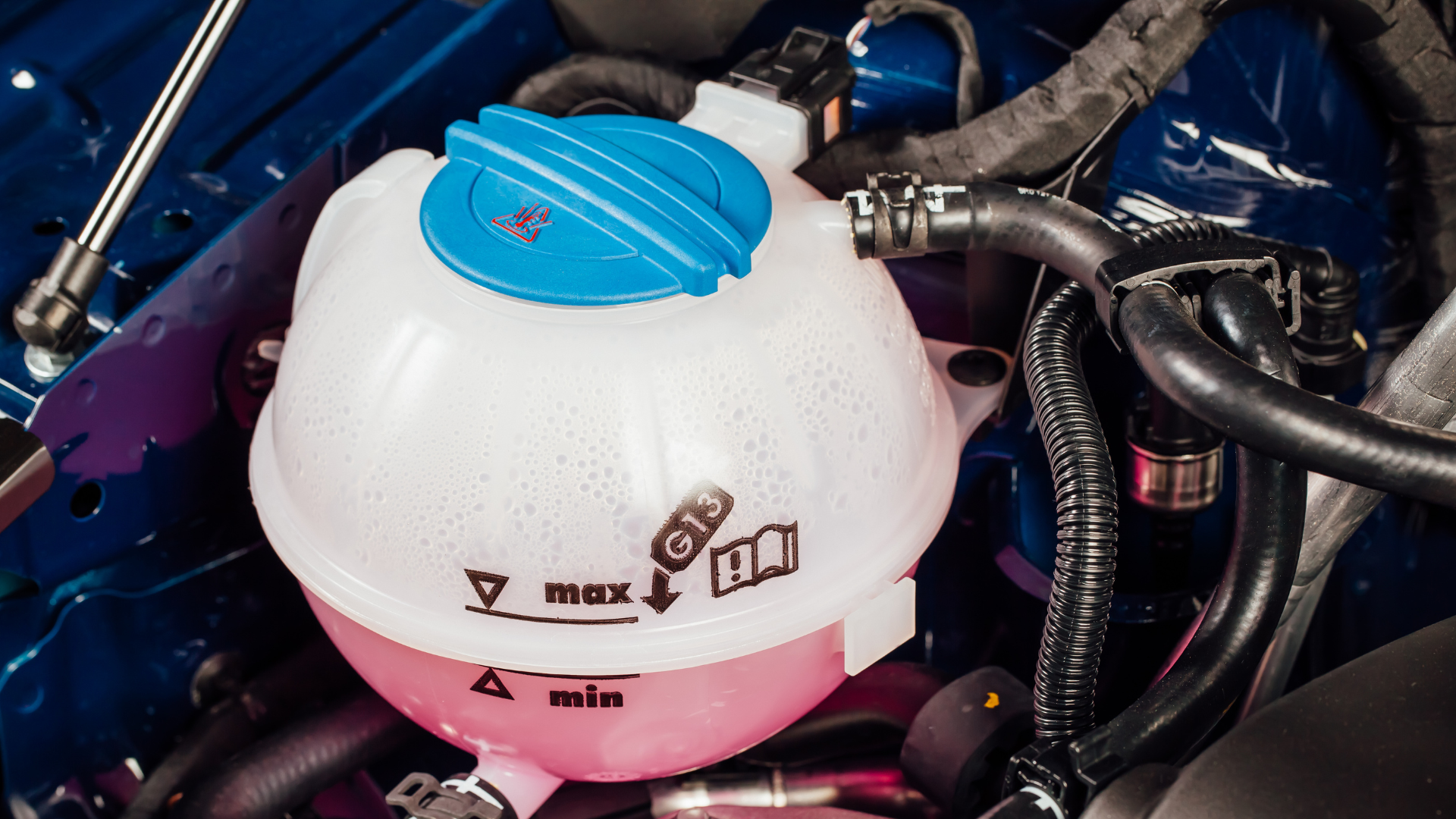
Cooling System Health Matters
Heat is one of the turbocharger’s biggest enemies.
If the engine cooling system is not working properly, overall engine temperatures can rise and place additional stress on turbo components.
Low coolant, a weak water pump, clogged passages, or other cooling-system problems can indirectly affect turbo longevity.
That is another reason preventive maintenance should include the whole engine, not just the turbo itself.
Watch for Early Warning Signs
Turbocharger problems often give drivers some warning before complete failure.
- Loss of boost
- Reduced power
- Excessive smoke
- Unusual whining or siren-like noises
- Increased oil consumption
- Oil in the intake or charge-air system
- Poor fuel economy
None of these symptoms automatically confirm turbo failure.
They are signs that the truck should be inspected before the problem gets worse.

Driving Habits Can Influence Turbo Life
Operating habits matter too.
Repeated heavy loads, extended idling, and shutting the engine down immediately after hard operation can all affect turbo temperatures.
Allowing the engine to stabilize after heavy use can help reduce heat soak in the turbocharger.
The exact procedure depends on the truck and operating conditions, but the broader principle is simple: avoid unnecessary thermal stress.
Preventive Maintenance Protects More Than the Turbo
A failed turbocharger can create problems beyond the turbo itself.
Oil can enter the intake or exhaust system, power can drop suddenly, and the truck may become unusable until repairs are completed.
In severe cases, additional engine damage may occur.
That makes preventive maintenance much more than routine service.
It is an uptime strategy.
Diesel Diagnostic & Repair serves owner-operators and fleets across Western Pennsylvania and Eastern Ohio with computerized diesel diagnostics, heavy-duty truck repair, preventive maintenance, fleet service, and 24/7 roadside support.
If your truck is losing boost, using oil, smoking excessively, or making unusual turbo noises, contact Diesel Diagnostic & Repair at (814) 786-3700 for professional diagnostics before a small issue turns into a larger repair.


 GET A FREE ESTIMATE