Why Fuel Contamination Can Damage Pumps and Injectors
Modern diesel fuel systems operate under extremely high pressure and depend on clean, consistent fuel for lubrication, cooling, and precise injection.
When water, dirt, microbial growth, or other contaminants enter the system, the damage can spread quickly. Fuel pumps and injectors contain tightly machined internal components with very little tolerance for debris or corrosion.
For owner-operators and fleet managers, catching fuel contamination early can help prevent a relatively small problem from turning into an expensive fuel-system repair.
Water Is One of the Biggest Threats
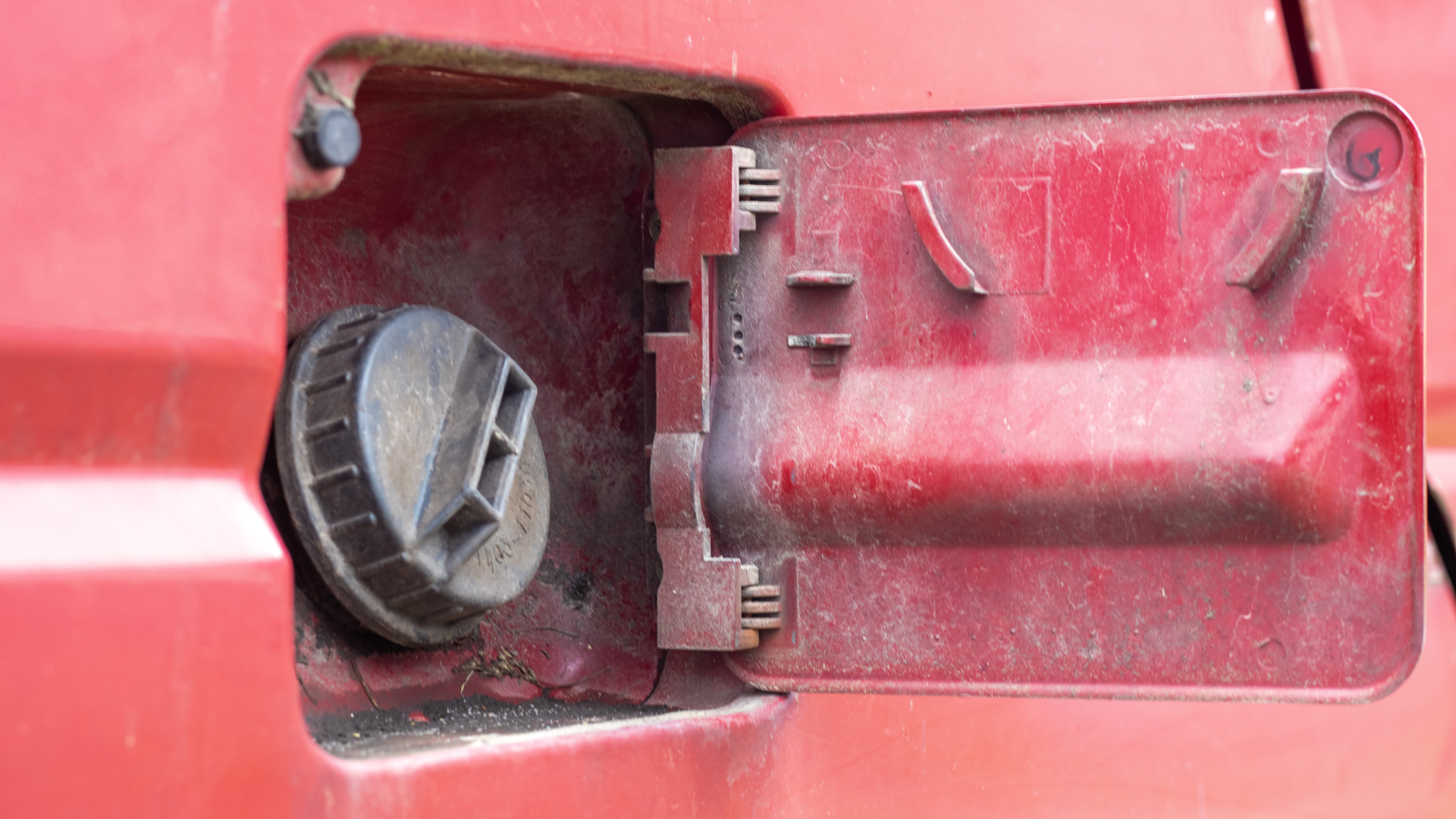
Water can enter diesel fuel through condensation, contaminated storage tanks, poor-quality fuel, or damaged seals and caps.
Once water reaches the fuel system, it can interfere with lubrication and promote corrosion.
High-pressure fuel pumps rely on the fuel itself to help lubricate internal parts. If enough water is present, metal components may begin wearing or rusting.
That damage can generate additional debris, which may then travel farther through the system.
Dirt Can Damage Precision Components
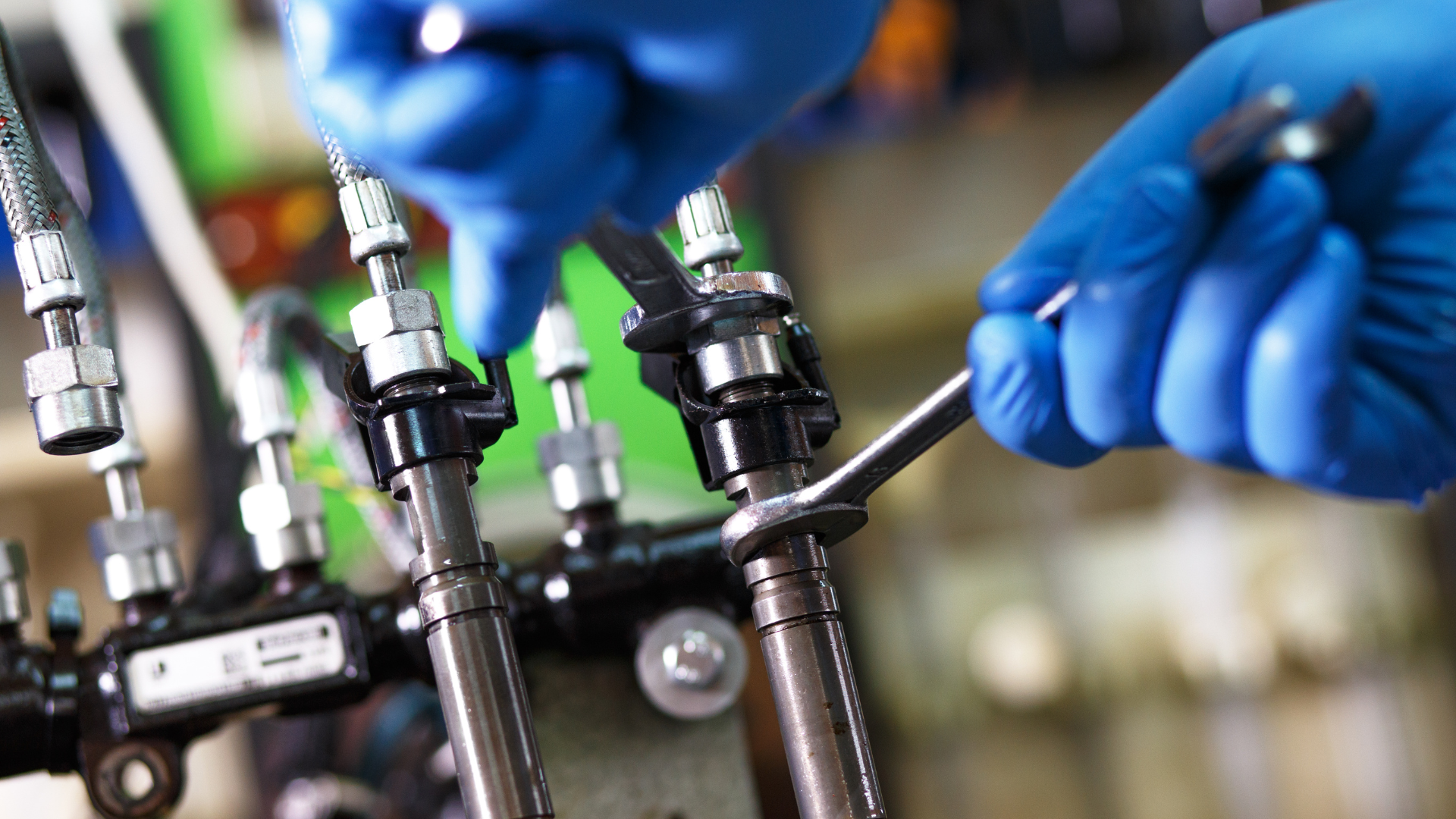
Diesel injectors and pumps are built with extremely tight internal clearances.
Even very small particles can cause problems.
Dirt, rust, or tank debris can score internal surfaces, interfere with valves, or affect how precisely an injector opens and closes.
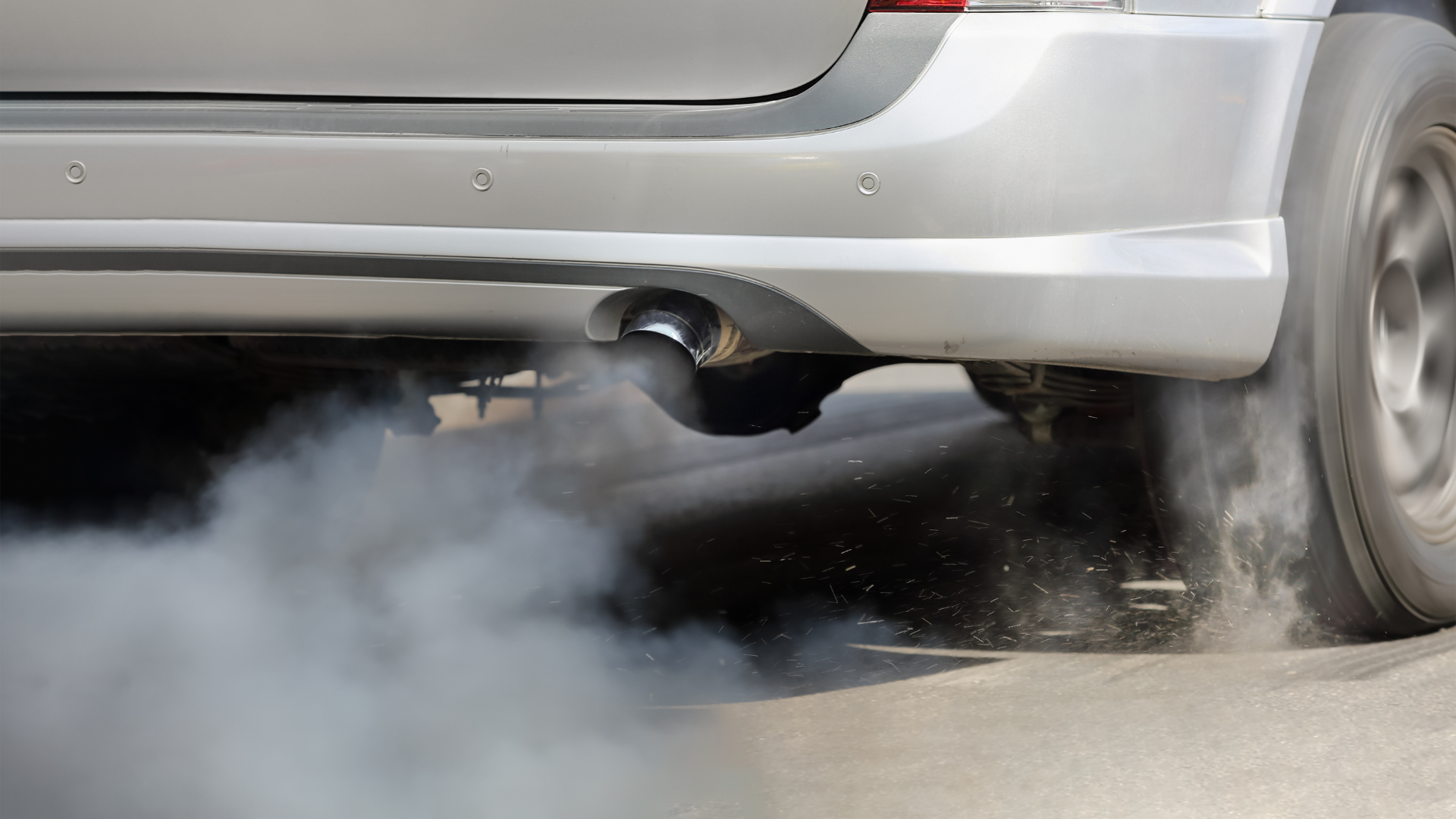
Once an injector no longer meters fuel correctly, the engine may develop rough running, excessive smoke, reduced power, hard starting, or poor fuel economy.
This is one reason regular fuel-filter maintenance matters so much.
Pump Damage Can Spread Through the System
A failing high-pressure fuel pump can become especially expensive if internal wear begins producing metal particles.
Those particles may circulate into fuel rails, lines, and injectors.
At that point, replacing only the pump may not solve the problem.
The contaminated components may need to be cleaned, inspected, or replaced depending on the extent of the damage.
That is why accurate diagnosis is critical before major fuel-system work begins.
Microbial Growth Can Create Additional Problems
Diesel fuel that sits for long periods can sometimes develop microbial contamination, especially when water is present.
Bacteria and fungi can grow at the fuel-water interface and create sludge or residue.
That material can clog filters, restrict fuel flow, and contribute to corrosion inside tanks and fuel-system components.
Fleets with trucks or equipment that sit unused for extended periods should pay particular attention to storage conditions and fuel quality.
Filters Are the First Line of Defense
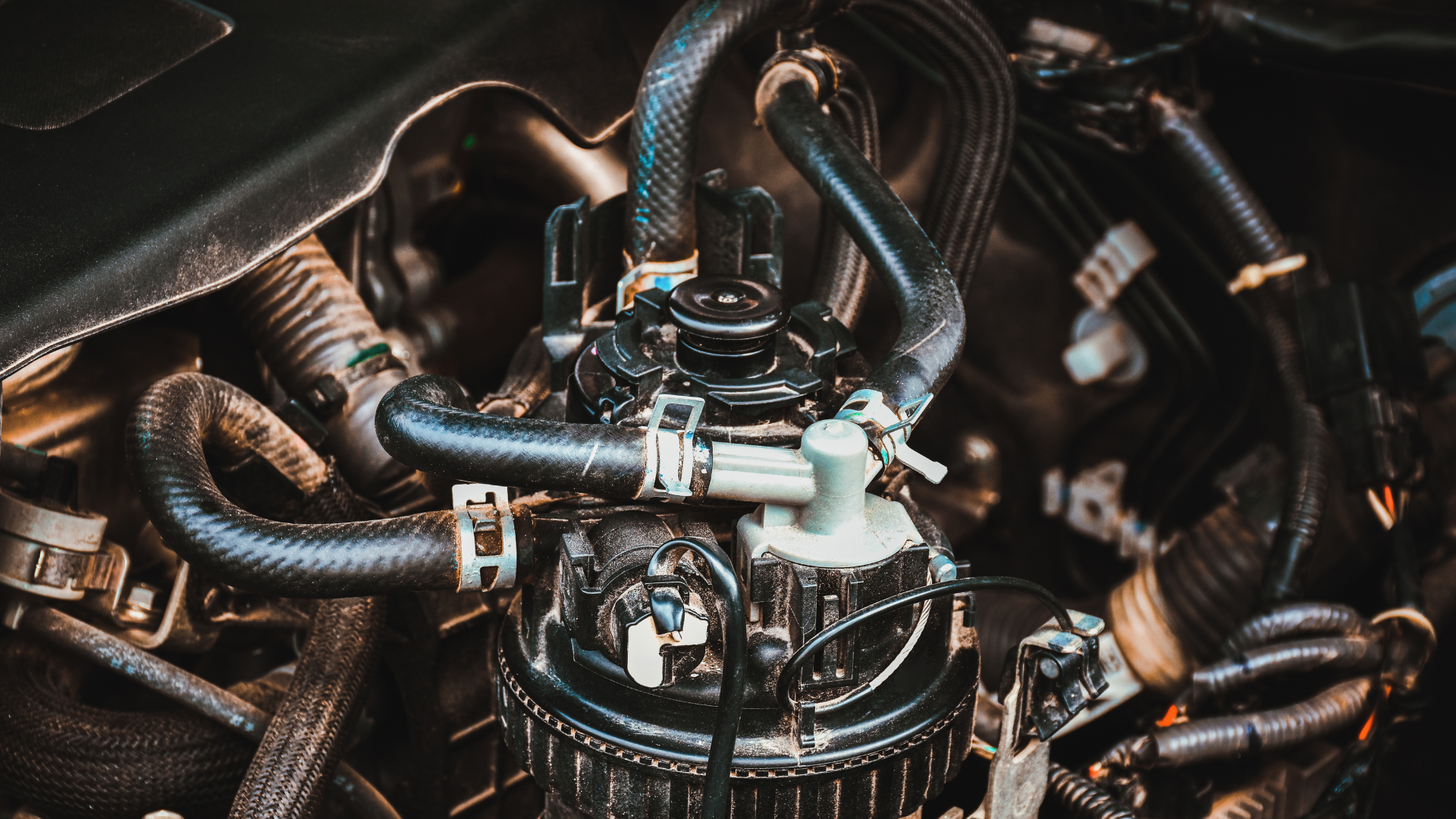
Fuel filters are designed to catch contaminants before they reach sensitive components.
However, filters have limits.
If contamination is severe, a filter can become restricted quickly and reduce fuel flow.
A clogged filter may contribute to hard starting, low power, poor acceleration, or fuel-pressure faults.
Replacing the filter without addressing the contaminated fuel source can result in the same problem returning.
Warning Signs Should Be Diagnosed, Not Guessed
Fuel contamination can create symptoms that resemble injector failure, pump failure, electrical problems, or air entering the system.
Common warning signs can include:
- Hard starting
- Loss of power
- Rough idle
- Excessive smoke
- Poor fuel economy
- Low fuel pressure
- Frequent filter restriction
- Unusual injector correction values
These symptoms do not prove contamination by themselves.
A proper diagnostic process should include fuel-pressure testing, filter inspection, fuel-quality checks, electronic diagnostics, and evaluation of the supply side of the system.
Prevention Starts With Fuel Quality and Maintenance
Fleet operators can reduce risk by buying fuel from reliable sources, maintaining filters on schedule, inspecting tanks and caps, draining water separators when required, and addressing repeated fuel-pressure problems early.
Fuel storage systems should also be maintained carefully.
Preventive maintenance is much less expensive than replacing pumps and injectors after contamination has already caused widespread damage.
Diagnose the Source Before Replacing Parts
Fuel-system problems should be approached carefully because replacing the wrong component can become costly very quickly.
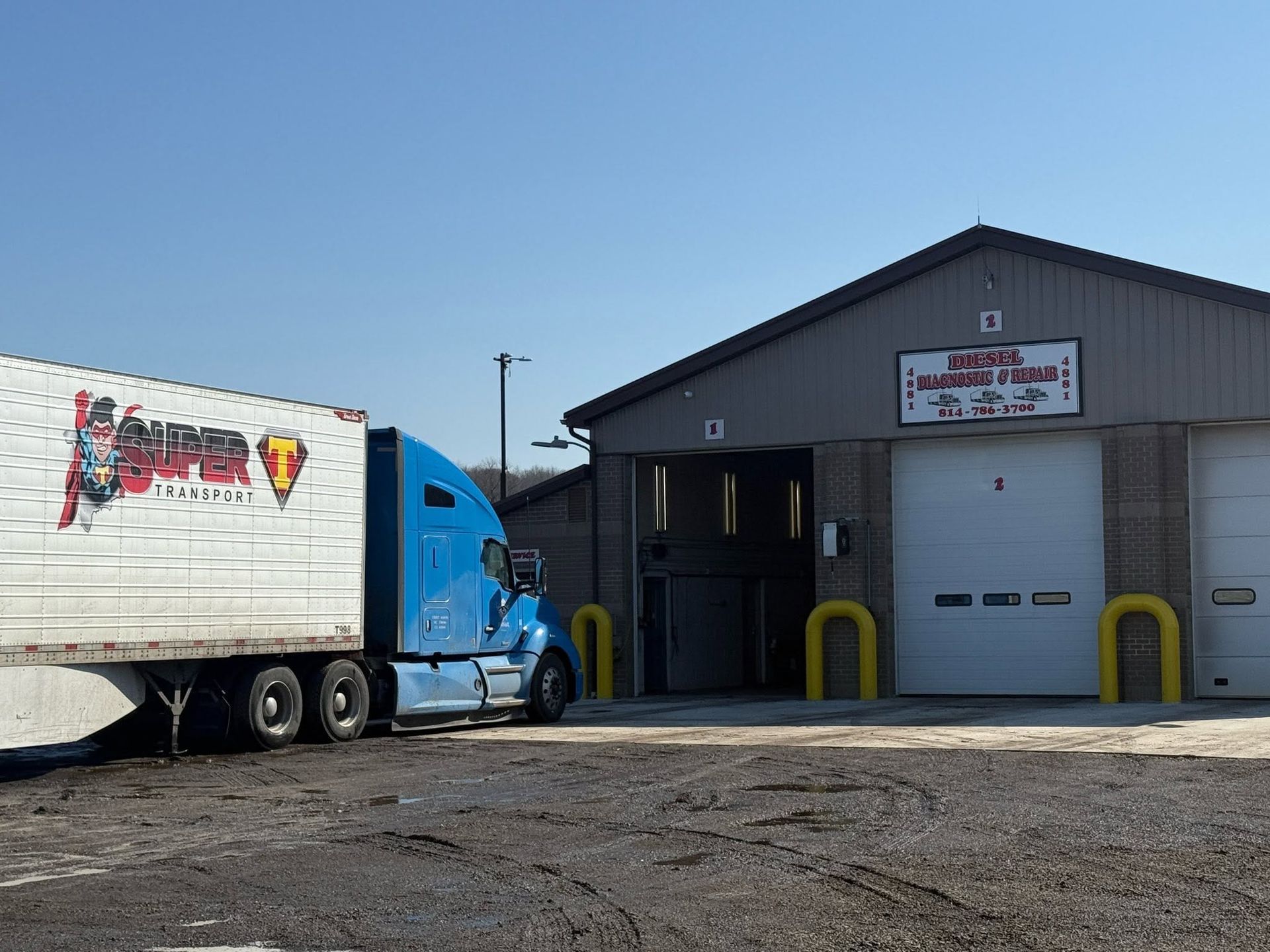
Diesel Diagnostic & Repair provides computerized diesel diagnostics, fuel-system testing, injector service, heavy-duty truck repair, preventive maintenance, and 24/7 roadside support throughout Western Pennsylvania and Eastern Ohio.
If your truck is hard to start, losing power, showing fuel-pressure faults, or repeatedly clogging filters, contact Diesel Diagnostic & Repair at (814) 786-3700. Finding the source of contamination early can help protect pumps, injectors, and the rest of the fuel system from more extensive damage.
 GET A FREE ESTIMATE