Why Replacing a Turbo Without Finding the Cause Can Lead to Repeat Failure
A failed turbocharger can create obvious problems.
The truck may lose power, produce unusual smoke, make new noises, or struggle under load.
When that happens, replacing the turbo may seem like the straightforward answer.
But a turbocharger does not always fail on its own.
Sometimes the real problem started somewhere else.
If the underlying cause is not identified, a new turbo may be installed into the same conditions that damaged the original one. That can lead to another expensive failure and even more downtime.
Oil Problems Can Destroy a Healthy Turbo
Turbochargers operate at very high speeds and depend heavily on proper lubrication.
If oil flow is restricted, contaminated, or delayed, the turbo's bearings can wear quickly.
That means a failed turbo should prompt more than a visual inspection of the unit itself.
Technicians may need to look at oil supply lines, return lines, oil condition, pressure, and whether deposits or contamination are affecting lubrication.
Simply installing a new turbo without checking those conditions can leave the replacement exposed to the same problem.
Boost Leaks Can Make the Turbo Work Harder
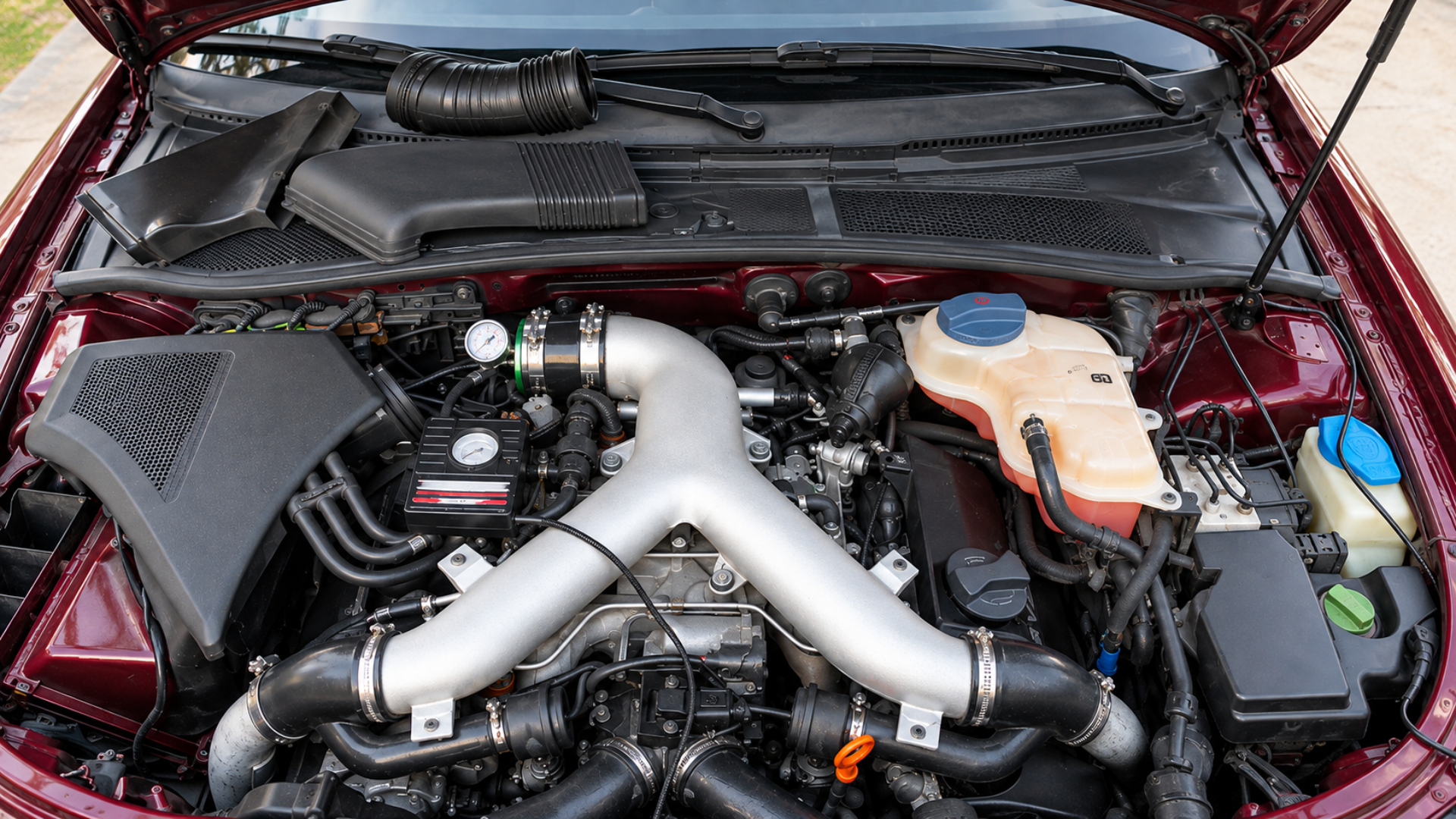
A charge-air leak can reduce boost pressure and engine performance.
When hoses, boots, clamps, or the charge-air cooler leak, the turbo may be forced to work harder to reach the requested boost level.
That can create additional stress.
A driver may notice sluggish acceleration, reduced power, excessive smoke, or poor fuel economy and assume the turbo itself is failing.
That is why boost-system testing matters before replacement.
The turbo may be responding to a problem elsewhere in the air system.
Exhaust Restrictions Can Contribute Too
A turbocharger depends on exhaust flow.
Problems downstream can affect how it operates.
Aftertreatment restrictions, exhaust-system issues, or other conditions that increase backpressure may place additional stress on the turbocharger.
Modern diesel systems are closely connected.
A problem that begins in the DPF, EGR, or exhaust side can sometimes influence turbo performance.
That is another reason Diesel Diagnostic & Repair takes a system-level approach to diagnostics instead of treating every failed component as an isolated event.

Foreign Material Can Cause Serious Damage
Turbocharger wheels spin at extremely high speeds.
Foreign material entering the intake or exhaust side can damage blades quickly.
If debris caused the original failure, the source needs to be found before the replacement is installed.
A damaged air filter, deteriorated intake component, broken engine part, or debris left in the system can all create risk.
The intake tract and related components should be inspected carefully so the new turbo is not immediately exposed to the same contamination.
Actuator Problems Can Mimic Turbo Failure
Variable geometry turbo systems often depend on electronic or pneumatic actuators.
If the actuator fails or the vanes become restricted, boost control can become inconsistent.
The truck may experience low power, overboost, underboost, or fault codes that appear to point directly toward the turbo.
But replacing the entire assembly without verifying the actuator and control system may not solve the actual problem.
Good diagnostics separate mechanical failure from control failure.
ECM Data Can Help Find the Root Cause
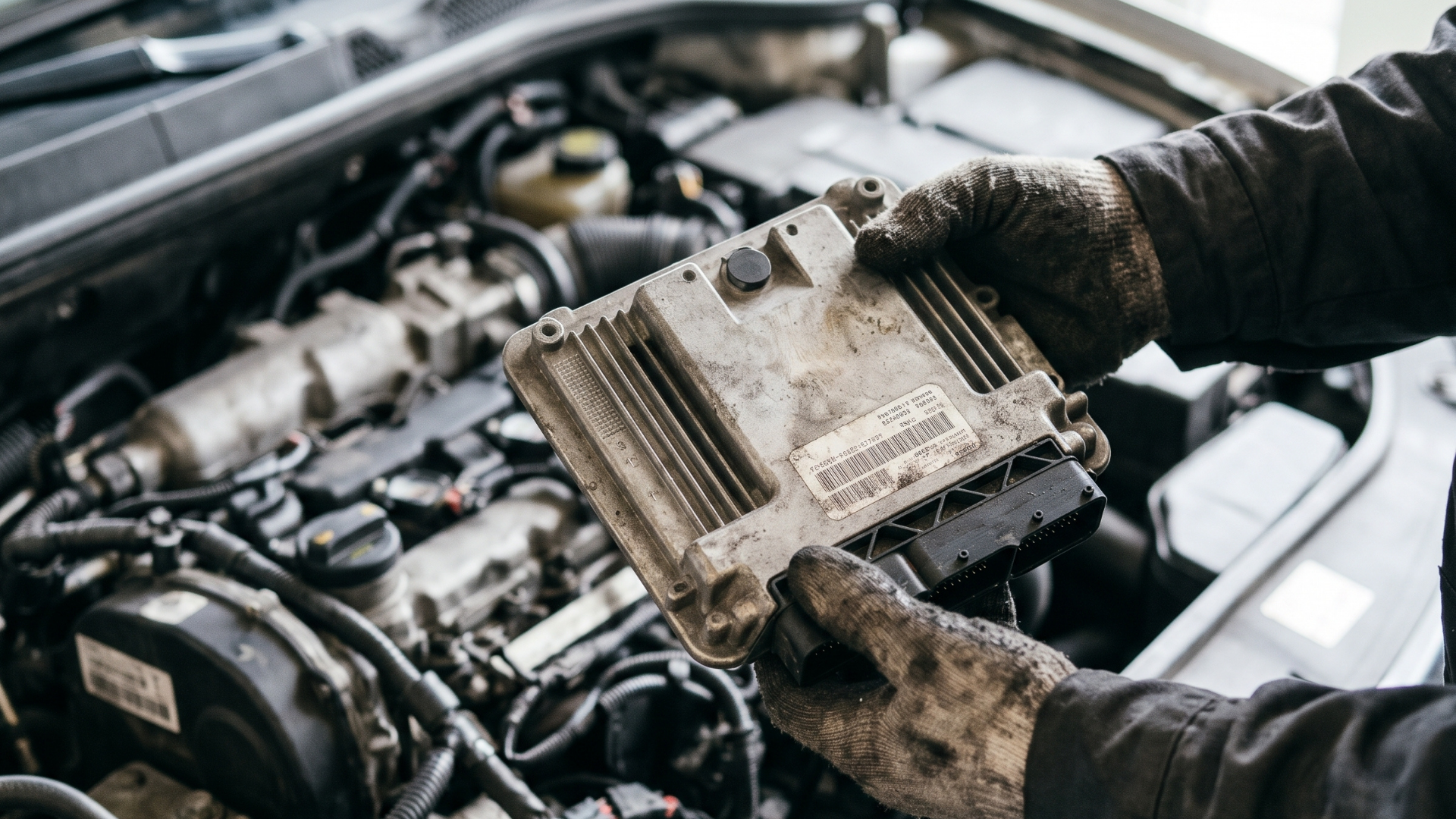
Electronic data is especially useful when diagnosing turbo-related problems.
Boost pressure, commanded vane position, exhaust pressure, engine load, fuel delivery, and other parameters can help show how the system behaves under real operating conditions.
A fault code alone is not enough.
A low-boost code could come from a leaking hose.
An overboost condition could involve a stuck vane mechanism.
A performance complaint could involve fuel delivery rather than airflow.
The data helps narrow the possibilities before expensive parts are ordered.
Repeat Failure Costs More Than the Part
For a fleet, a second turbo failure means more than another repair bill.
It can mean another tow, another missed load, additional labor, lost revenue, and reduced confidence in the truck.
That is why root-cause diagnosis matters.
Diesel Diagnostic & Repair provides advanced computerized diagnostics, turbocharger service, aftertreatment repair, fuel-system diagnostics, fleet maintenance, mobile diesel repair, and 24/7 roadside support throughout Western Pennsylvania and Eastern Ohio.
If a turbocharger has failed, do not stop at replacing the damaged part.
Contact Diesel Diagnostic & Repair at 814-786-3700 to determine what caused the failure before the replacement is asked to survive the same conditions.


 GET A FREE ESTIMATE