How ECM Data Can Help Explain Poor Performance
When a diesel truck starts losing power, using more fuel, idling poorly, or behaving differently under load, the cause is not always obvious.
Modern diesel engines generate a large amount of operating data through the electronic control module, or ECM.
That information can give technicians valuable clues about what the engine is actually doing when the problem occurs.
For fleets and owner-operators, ECM data can help turn vague performance complaints into a more focused diagnostic process.
Fault Codes Are Only the Starting Point
A common mistake is treating the ECM like a simple code reader.
A fault code can identify a system or condition that deserves attention, but it does not always identify the failed part.
For example, a low-boost code does not automatically mean the turbocharger needs to be replaced.
The real problem could involve a boost leak, actuator issue, sensor problem, restricted airflow, or another condition affecting the system.
That is why Diesel Diagnostic & Repair uses computerized diagnostics as part of a broader troubleshooting process rather than treating a code as the final answer.
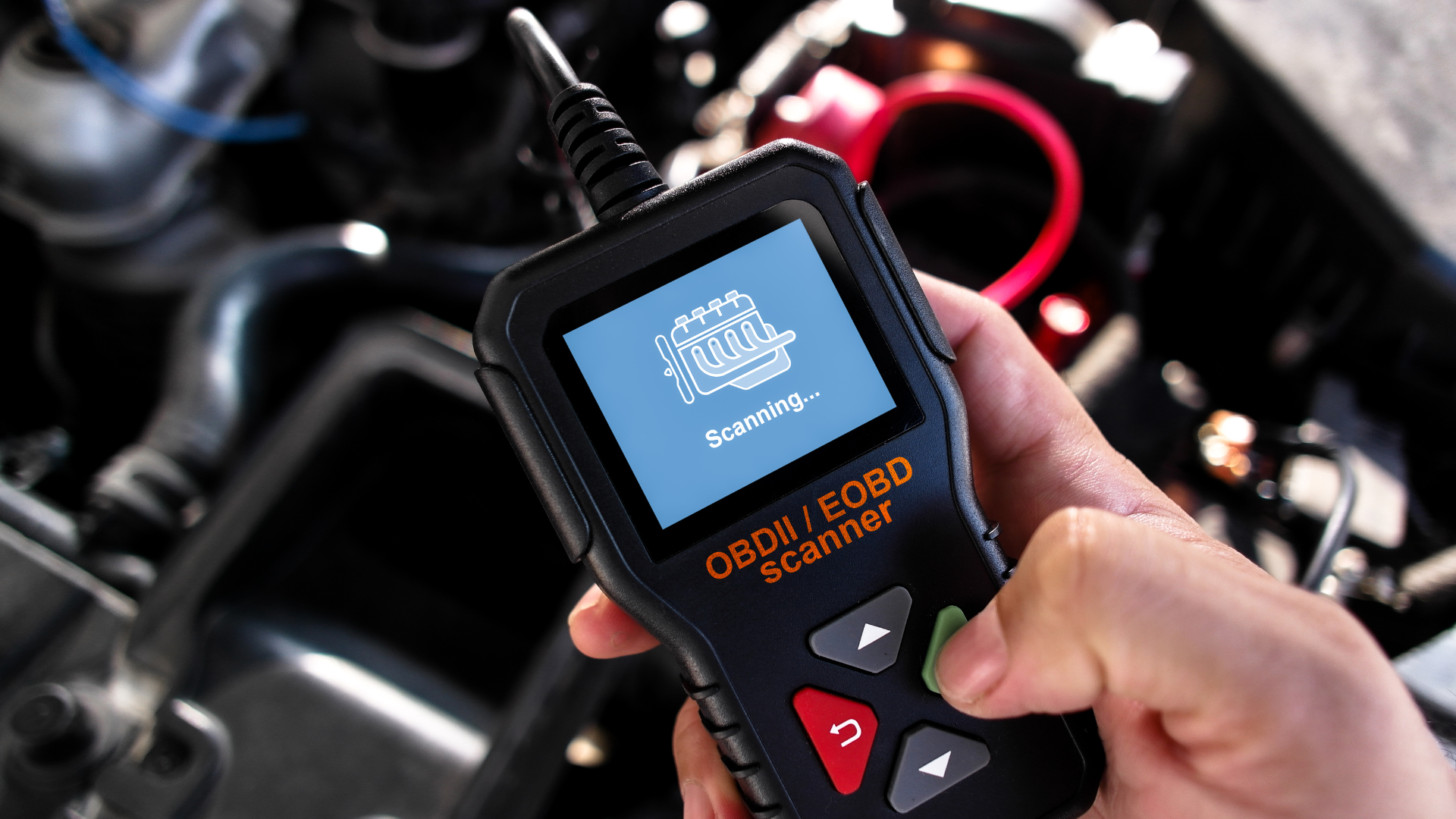
Live Data Shows What the Truck Is Doing Now
One of the most useful parts of ECM diagnostics is live operating data.
Technicians can compare readings such as boost pressure, fuel pressure, coolant temperature, engine load, sensor values, and other parameters while the engine is running.
Those readings can help explain symptoms that only appear under certain conditions.
A truck may idle normally but lose power when climbing a grade.
Another may perform well cold and develop problems after reaching operating temperature.
Looking at live data during those situations can narrow the list of possible causes.
Stored Data Can Help With Intermittent Problems
Some of the most frustrating diesel problems are the ones that come and go.
The truck runs poorly one day and normally the next.
A warning light appears, then disappears.
Power drops briefly under load but returns before the vehicle reaches the shop.
Stored diagnostic information may help technicians see what happened during the event.
Depending on the vehicle and system, that can include fault history or snapshot data recorded when a fault was triggered.
That information can be especially useful when the problem cannot be reproduced immediately.

ECM Data Helps Avoid Unnecessary Parts Replacement
Poor performance can have many possible causes.
Loss of power might involve the turbocharger, fuel system, aftertreatment system, sensors, electrical wiring, cooling system, or even several issues working together.
Replacing parts based on symptoms alone can become expensive very quickly.
Accurate ECM data helps technicians test a theory before committing to a major repair.
If boost is low, they can look at related parameters.
If fuel pressure drops under load, the fuel delivery system deserves closer attention.
If temperatures or pressures behave abnormally, those readings can guide the next test.
That process reduces guesswork.
Fleet Managers Can Use Diagnostic Trends Too
ECM information can be valuable beyond a single repair.
For fleets, repeated fault patterns across several trucks may point to a maintenance issue that deserves broader attention.
A certain duty cycle may be contributing to repeated aftertreatment problems.
One route may be creating unusual cooling-system stress.
A pattern of voltage-related faults may point toward battery, charging, or connection problems.
Combining diagnostic information with repair history can help fleet managers make better maintenance decisions.
That is one reason Diesel Diagnostic & Repair emphasizes accurate diagnostics as part of long-term fleet uptime.

Data Still Needs Experienced Interpretation
A scan tool provides information.
It does not replace judgment.
Sensor values have to be interpreted in context, and technicians still need to inspect mechanical components, wiring, hoses, filters, pressure systems, and other parts of the truck.
A bad sensor can create misleading data.
A mechanical problem can trigger an electronic fault.
The strongest diagnostic process combines ECM information with hands-on testing and an understanding of how the entire diesel system works together.
Better Information Leads to Better Repairs
When a truck is losing power or behaving differently, guessing can waste both time and money.
ECM data helps create a clearer picture of what happened, when it happened, and which systems deserve closer attention.
Diesel Diagnostic & Repair provides advanced diesel diagnostics, heavy-duty truck repair, fleet maintenance, mobile service, DOT inspections, aftertreatment service, electrical diagnostics, and 24/7 roadside support for owner-operators and fleets across Western Pennsylvania and Eastern Ohio.
If your truck is showing performance problems that are difficult to explain, contact Diesel Diagnostic & Repair at 814-786-3700 for computerized diagnostics and a repair plan based on evidence rather than guesswork.




 GET A FREE ESTIMATE