What Causes Excessive Black Smoke From a Diesel Truck?
A small amount of dark exhaust may occasionally appear when a diesel engine is under heavy load, but persistent or excessive black smoke usually means something is not operating correctly. In most cases, black smoke indicates that the engine is burning too much fuel, not receiving enough air, or failing to combust the fuel efficiently.
For owner-operators and fleet managers, black smoke should not be ignored. It can point to performance problems, wasted fuel, emissions issues, or developing mechanical faults that may become more expensive if left unresolved.
Too Much Fuel Entering the Engine
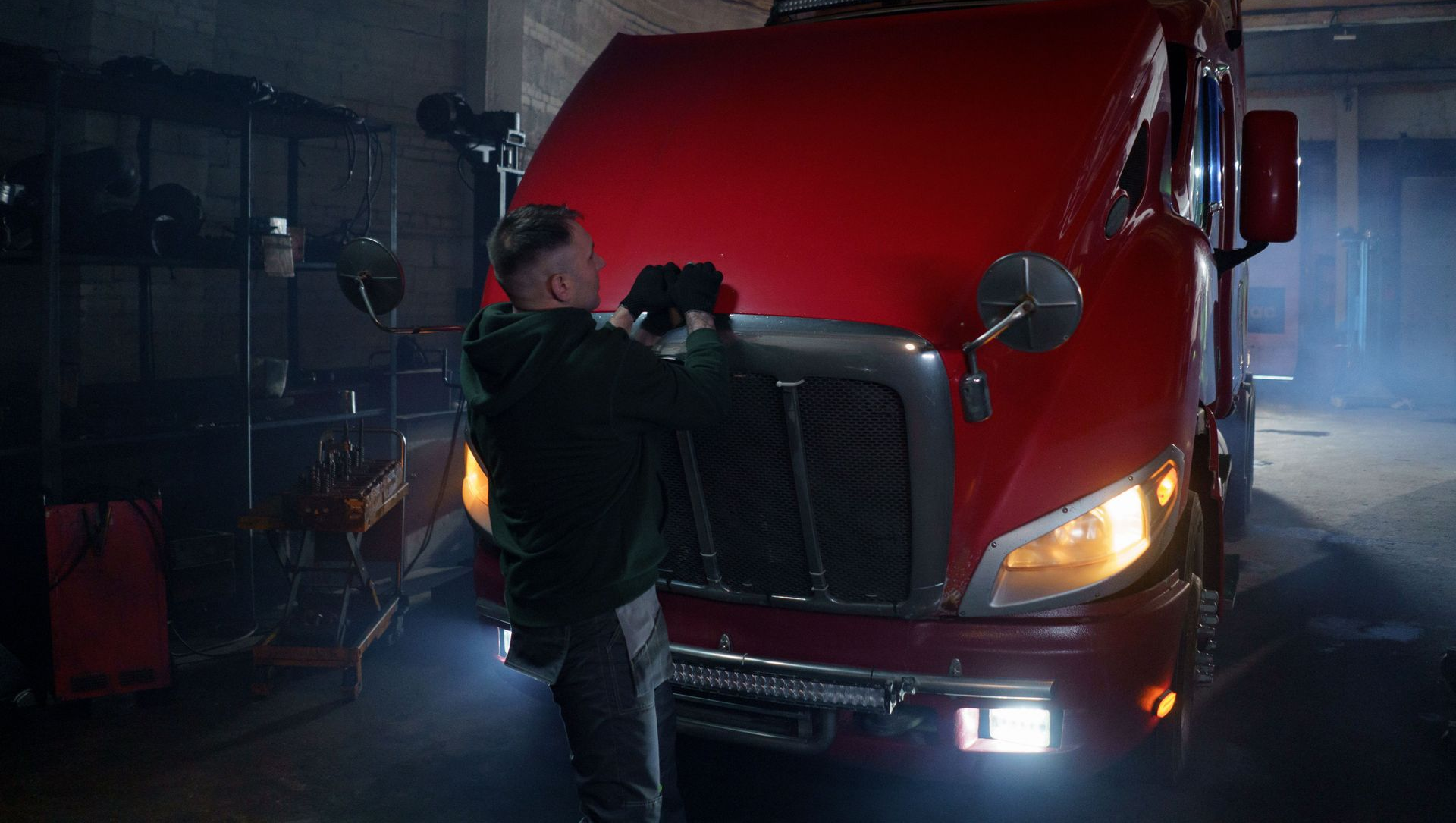
One of the most common causes of black diesel exhaust is excessive fueling.
A failing or malfunctioning injector may deliver too much fuel into the combustion chamber or fail to create the proper spray pattern. Instead of burning cleanly, some of that fuel may leave the engine as soot.
Injector problems can also contribute to rough running, reduced fuel economy, hesitation, or loss of power. Because several different issues can create similar symptoms, computerized diagnostics and fuel-system testing are important before replacing components.
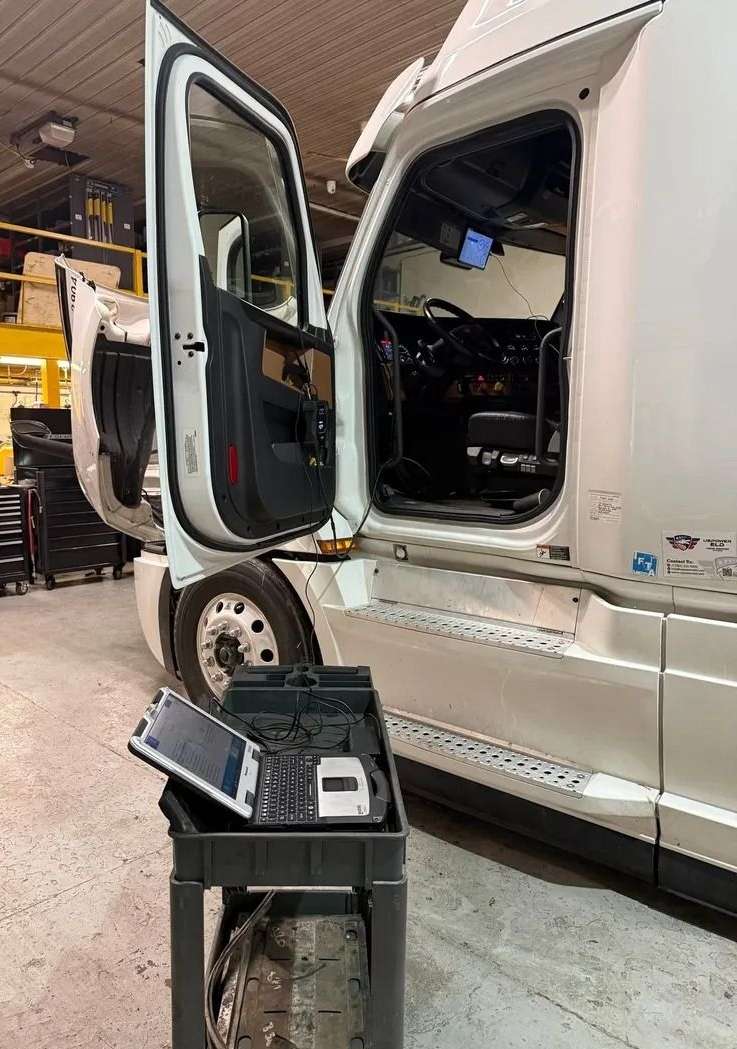
Diesel Diagnostic & Repair uses diagnostic testing to help identify the
actual source of the problem rather than relying on guesswork.
Restricted Airflow
Diesel engines need a large amount of clean air for proper combustion.
If airflow becomes restricted, the engine may continue receiving fuel without enough oxygen to burn it completely. A dirty or clogged air filter is one possible cause, but the restriction may also occur elsewhere in the intake system.
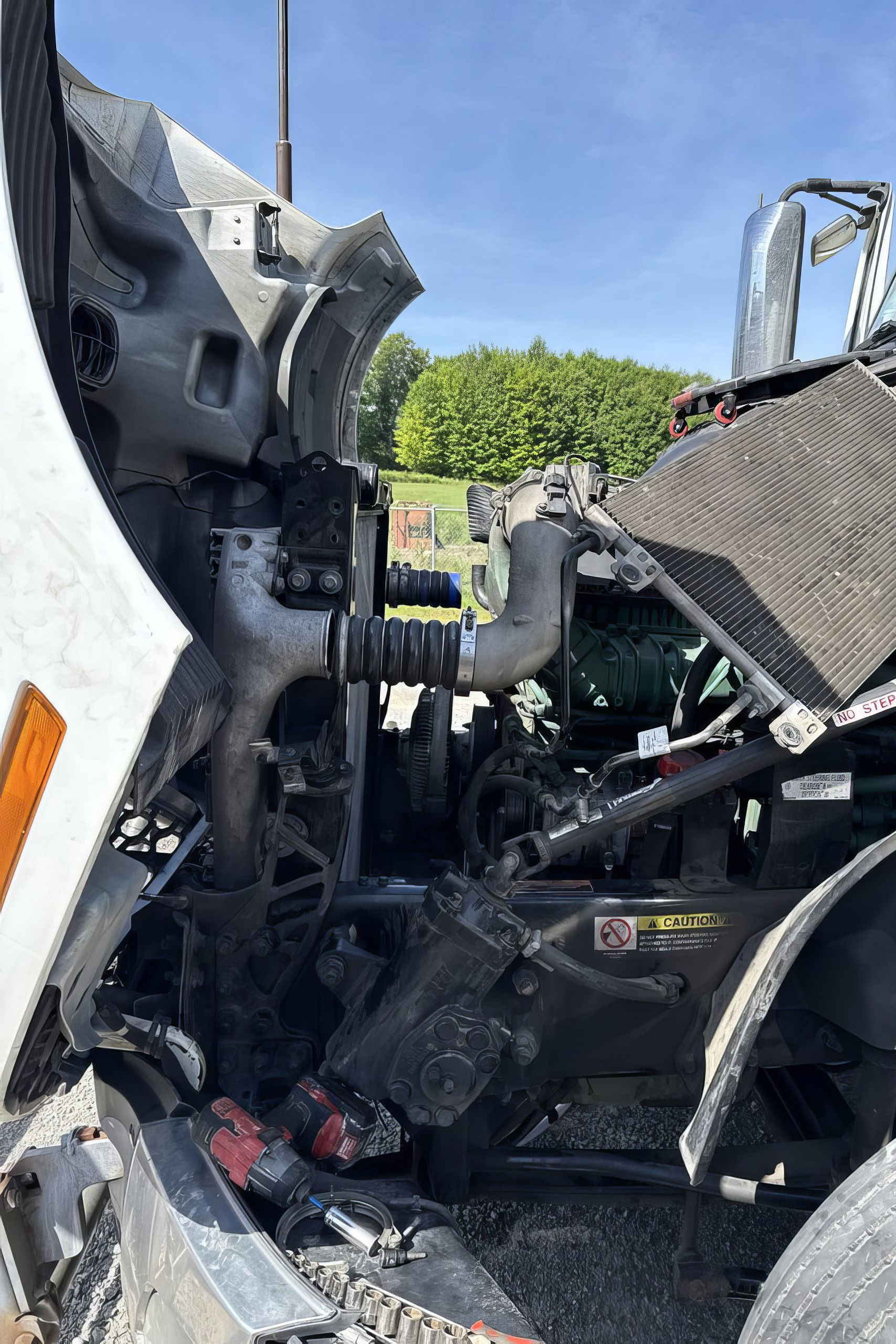
Damaged intake piping, blocked components, or other airflow problems can all interfere with the air-to-fuel balance.
For commercial trucks that accumulate substantial mileage, routine inspection of filters and intake components can help catch restrictions before they begin affecting performance.
Turbocharger Problems
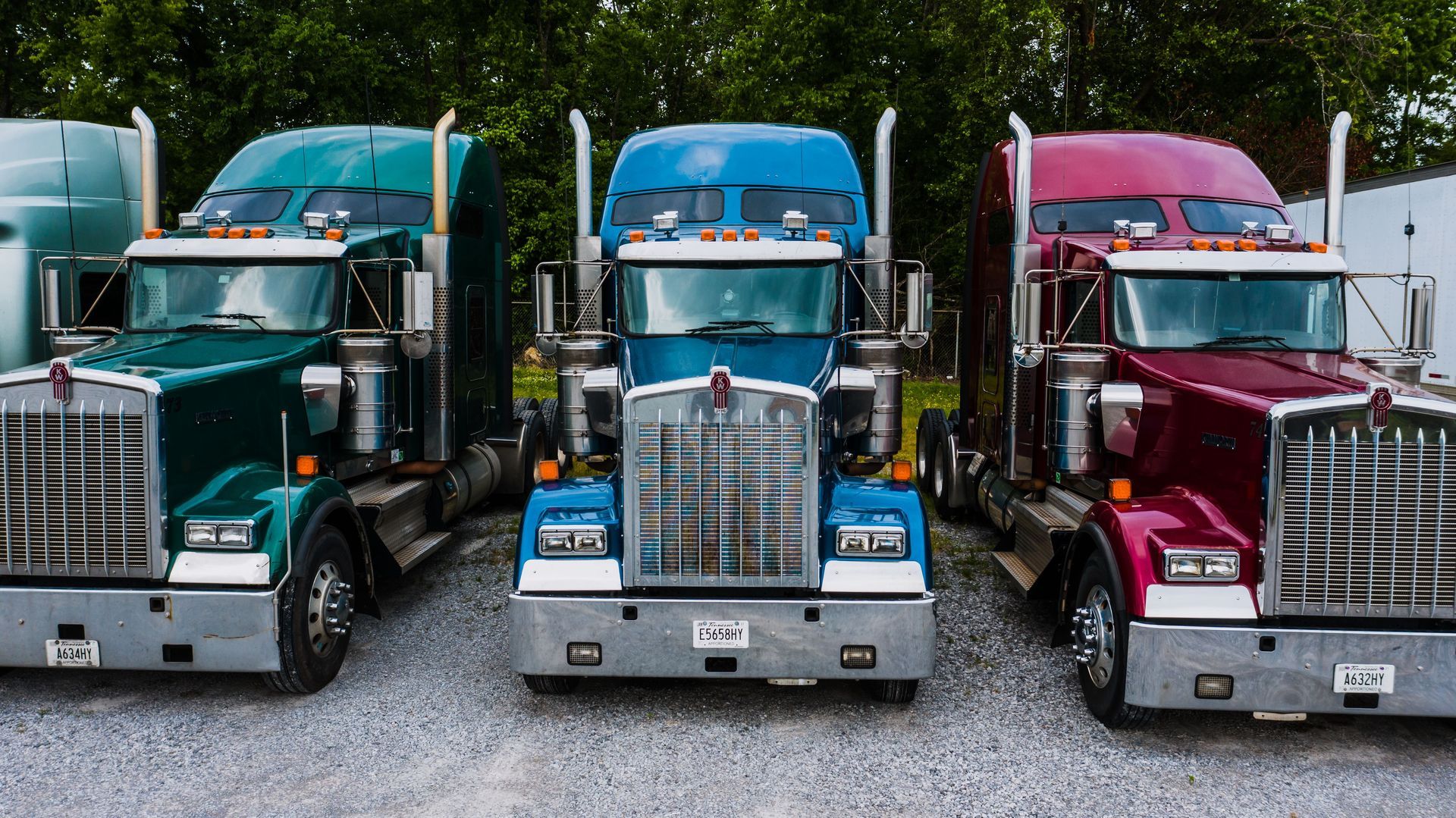
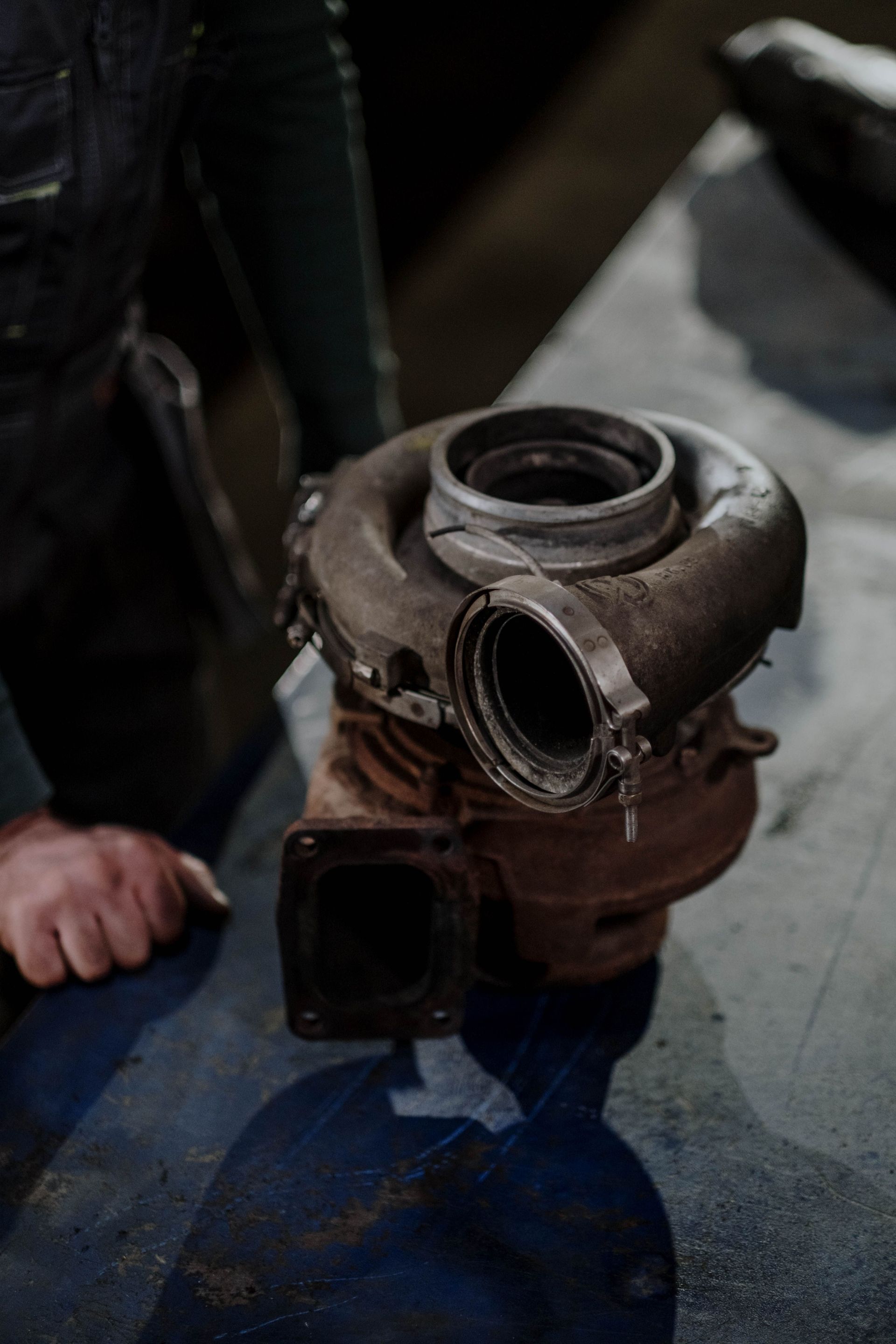
The turbocharger plays an important role in supplying compressed air to a heavy-duty diesel engine.
If the turbocharger is not producing adequate boost, the engine may receive less air than expected while still receiving fuel for the requested power level. The result can be incomplete combustion and black exhaust smoke.
Boost leaks can create similar symptoms. A cracked hose, loose connection, damaged charge-air cooler, or other leak in the pressurized intake system may allow air to escape before it reaches the engine.
Drivers may notice black smoke together with sluggish acceleration or reduced pulling power.
Faulty Sensors Can Affect Fuel Delivery
Modern diesel engines rely heavily on electronic sensors.
The engine control module uses information from sensors to determine how much fuel should be delivered and how the engine should operate. Incorrect readings from airflow, boost pressure, temperature, or other sensors can interfere with those calculations.
That is one reason visual inspection alone may not reveal the cause of a smoking problem.
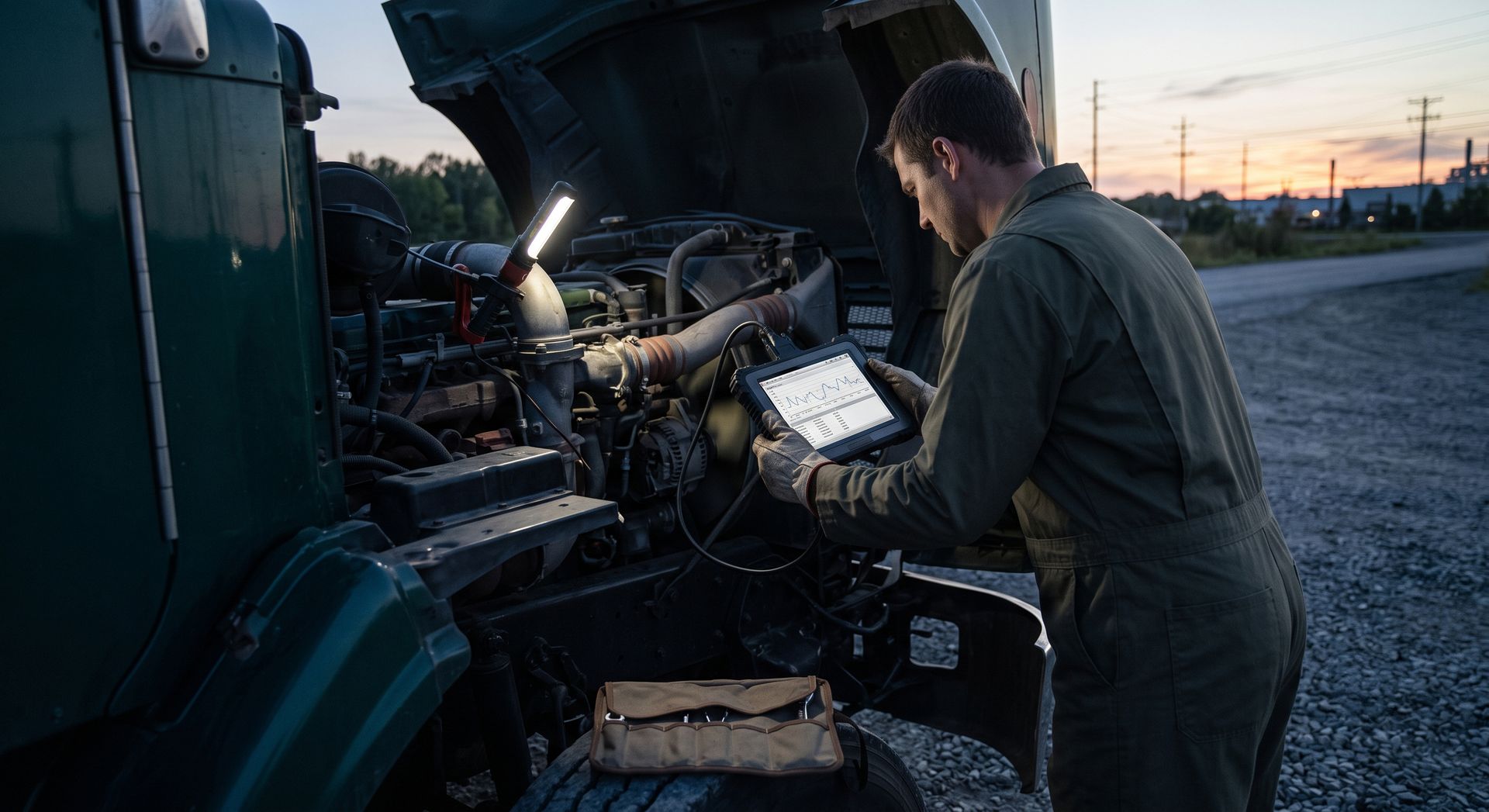
Computerized diagnostics can help technicians review trouble codes and operating data to determine whether an electronic issue is contributing to excessive fueling or insufficient airflow.
EGR and Emissions-System Issues
Problems involving the exhaust gas recirculation system or other emissions components may also affect combustion.
If an EGR valve becomes stuck or carbon buildup interferes with airflow, the engine may not receive the mixture of fresh air and recirculated exhaust gas that the system expects. Depending on the failure, performance problems and excessive soot can result.
Heavy-duty emissions systems are interconnected, so replacing a single component without identifying the underlying cause can lead to unnecessary repair costs.
Accurate diagnosis is especially important when black smoke appears alongside warning lights, derating, or other drivability problems.

Heavy Loads Can Reveal Developing Problems
Drivers sometimes notice smoke primarily when accelerating, climbing a grade, or pulling a heavy load.
Higher engine load demands more fuel and more airflow. A problem that is barely noticeable at idle may become much more obvious when the truck is working hard.
A weak turbocharger, restricted intake, injector problem, or boost leak may therefore first show itself as black smoke during acceleration.
This pattern can provide useful diagnostic information, especially when combined with engine data and a careful mechanical inspection.
Do Not Replace Parts Without Testing
Black smoke is a symptom, not a diagnosis.
Replacing injectors, sensors, a turbocharger, or emissions components based only on the appearance of the exhaust can become expensive very quickly. The problem should first be narrowed down through proper testing.
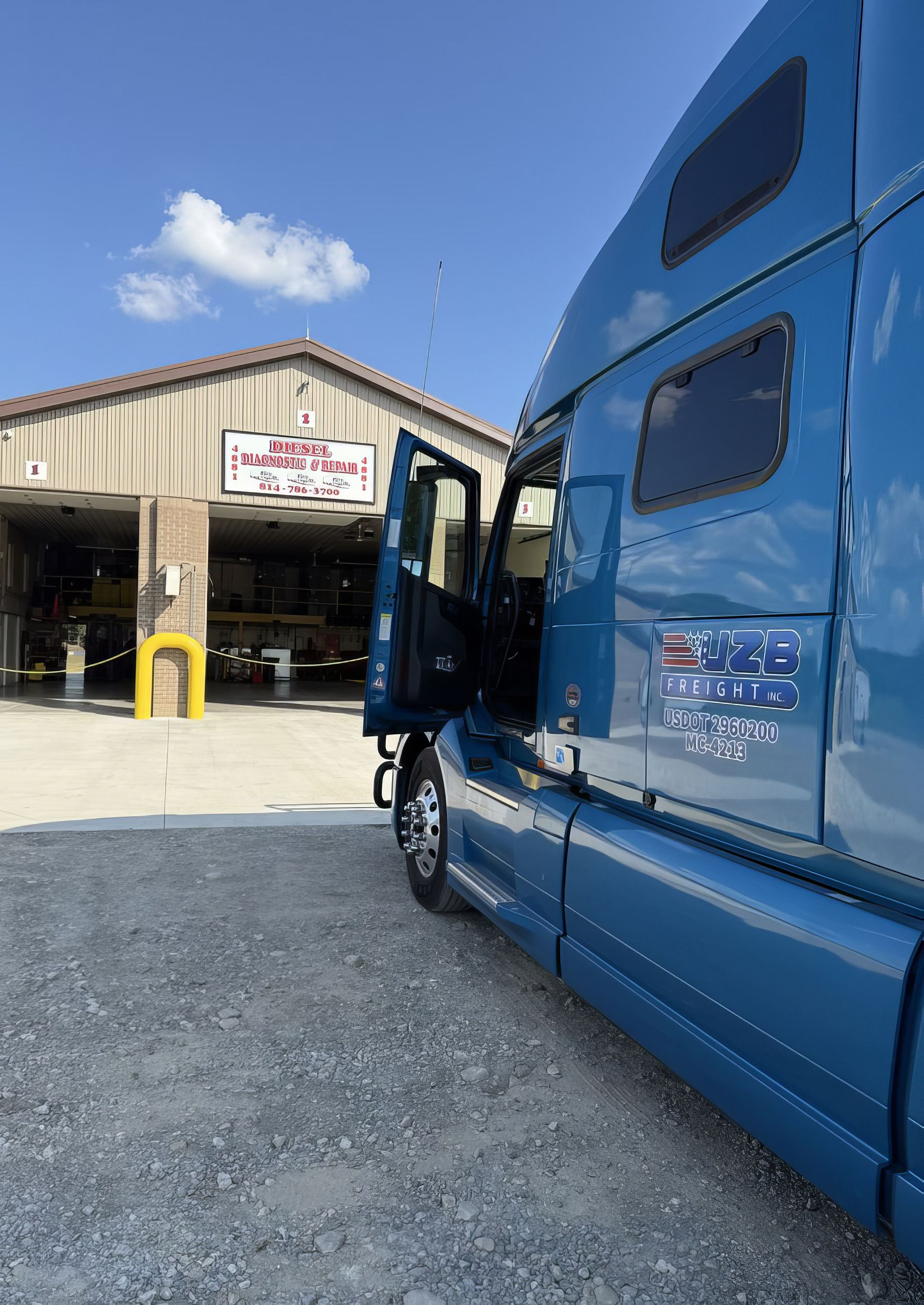
Diesel Diagnostic & Repair provides computerized diesel diagnostics, heavy-duty truck repair, fuel-system service, transmission and differential repair, preventive maintenance, and 24/7 roadside support for owner-operators and commercial fleets throughout Western Pennsylvania and Eastern Ohio.
If your diesel truck is producing excessive black smoke, losing power, or using more fuel than normal, contact Diesel Diagnostic & Repair at
(814) 786-3700. Finding the source early can help restore performance while reducing the risk of unnecessary repairs and additional downtime.
 GET A FREE ESTIMATE