Why Your Fleet Needs a Dedicated Diesel Mechanic
For any business that depends on commercial trucks, downtime is expensive. One disabled truck can delay deliveries, interrupt schedules, create overtime, and put additional pressure on the rest of the fleet. When several vehicles are involved, small maintenance problems can quickly become operational problems.
That is why having a dedicated diesel mechanic or trusted diesel service partner can make such a difference. Instead of waiting until something fails,
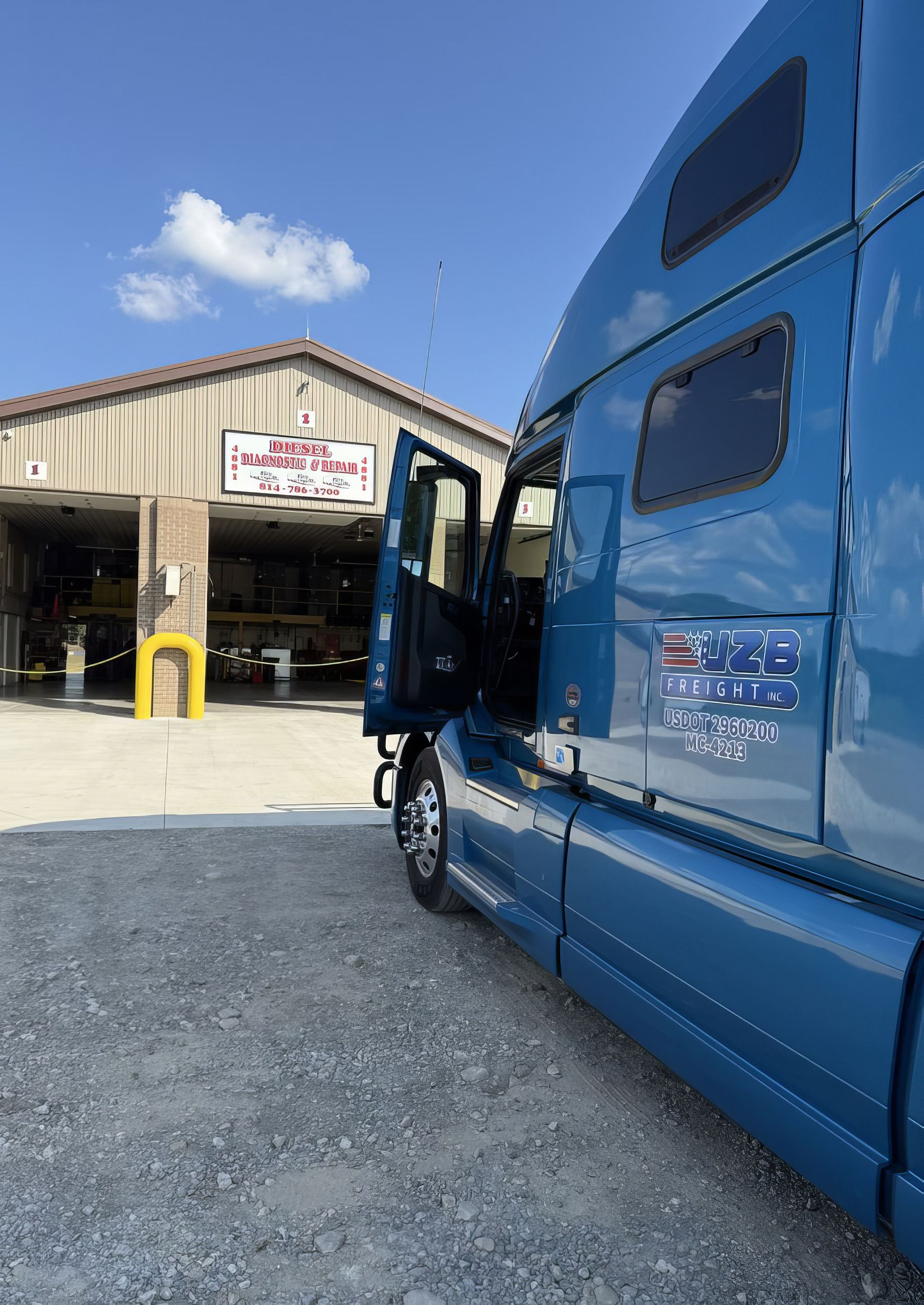
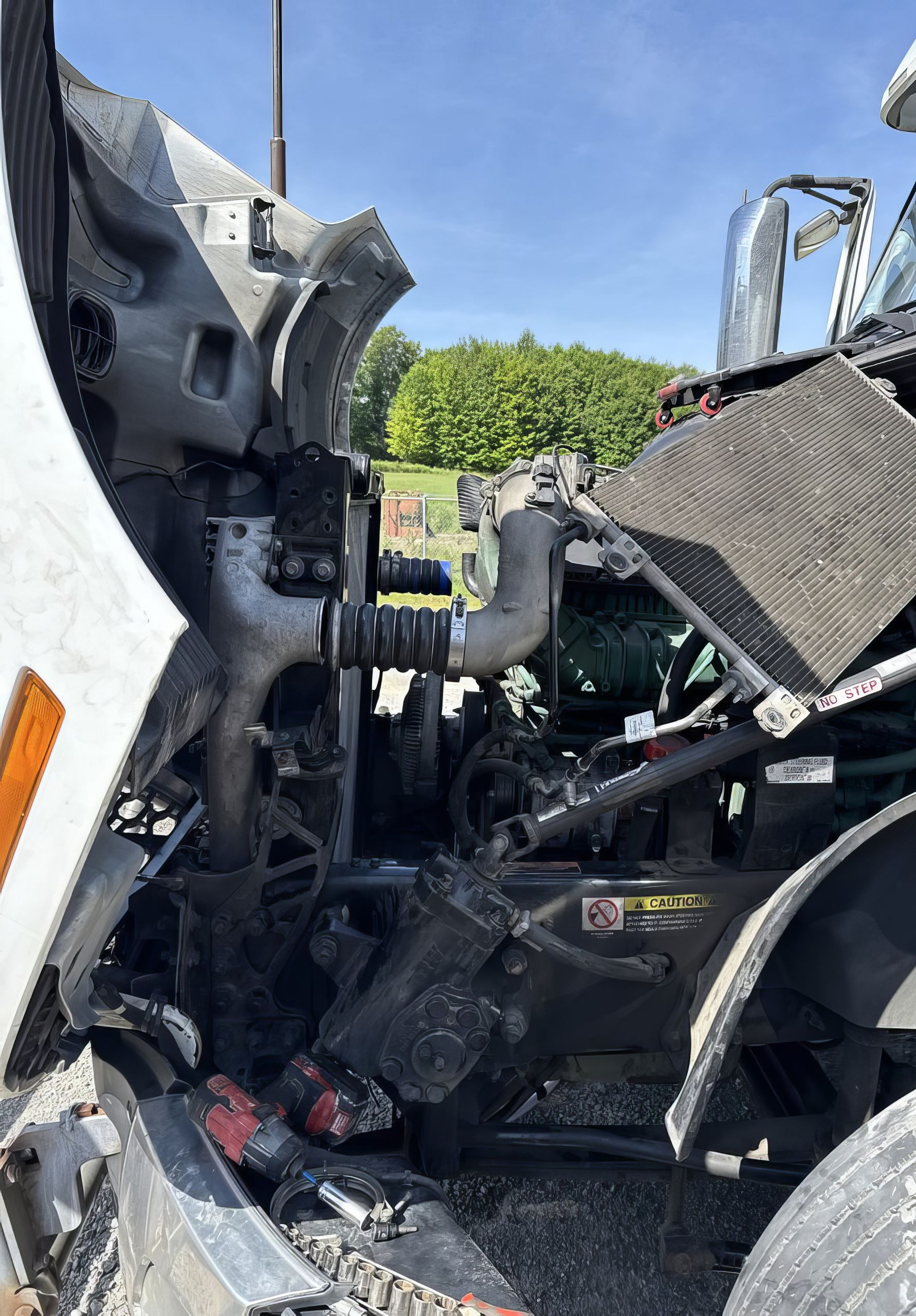
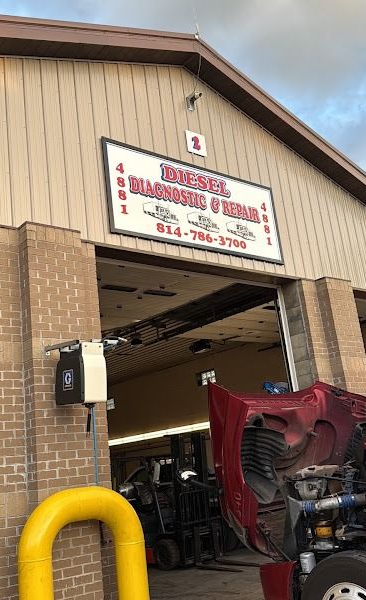
fleet managers can take a more proactive approach to diagnostics, maintenance, and repair. Diesel Diagnostic & Repair helps commercial fleets across Western Pennsylvania and Eastern Ohio stay on the road with heavy-duty repair, computerized diagnostics, preventive maintenance, mobile diesel service, and 24/7 roadside support.
A Dedicated Mechanic Gets to Know Your Fleet
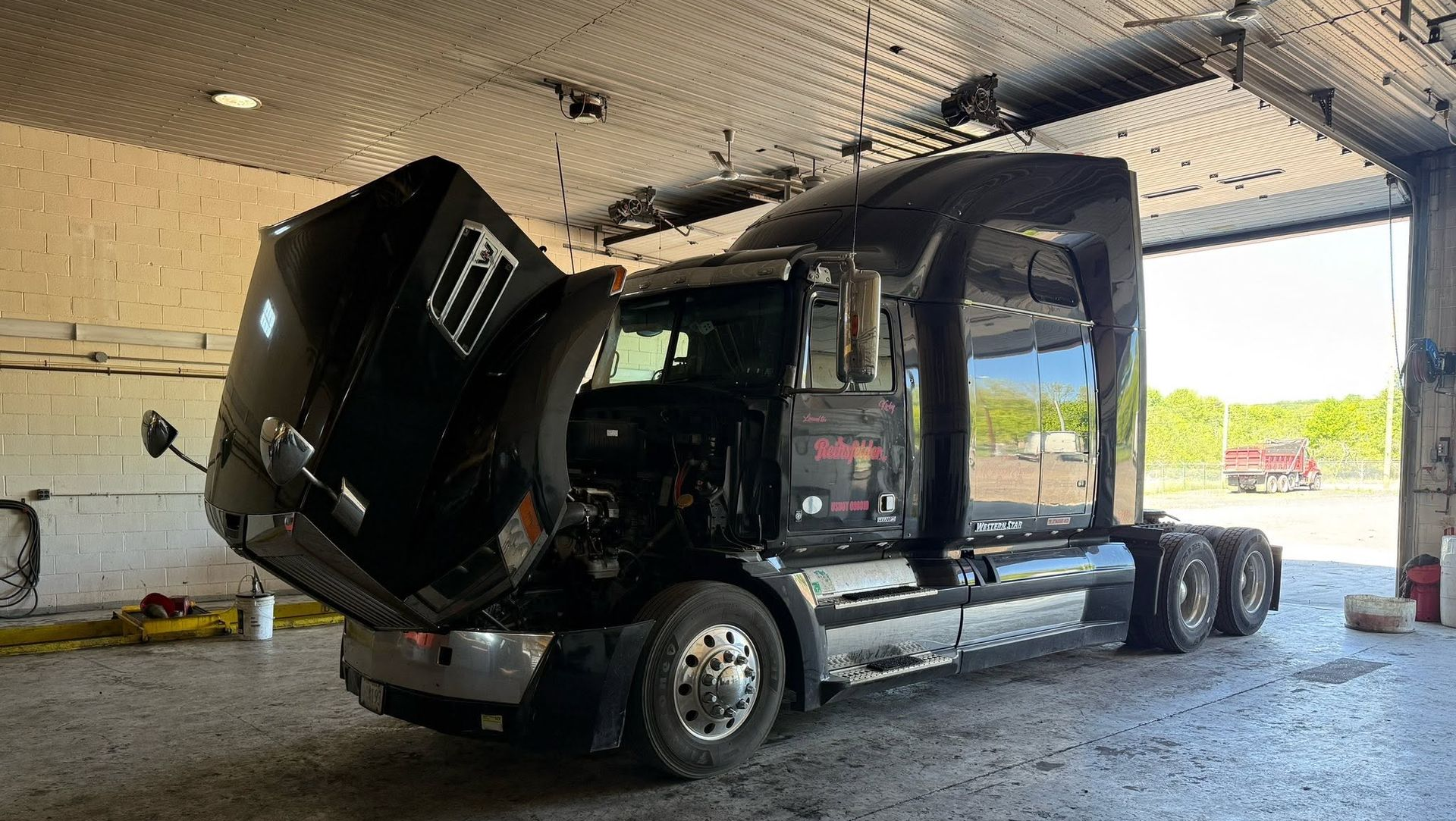
Every truck develops its own maintenance history.
A dedicated diesel mechanic becomes familiar with the vehicles in the fleet, including recurring issues, previous repairs, service intervals, and patterns that may point to developing problems.
That familiarity can make troubleshooting more efficient. Instead of starting from zero every time a truck enters the shop, the mechanic has a clearer understanding of what has already been repaired, which components have caused trouble in the past, and what should be monitored next.
For larger fleets, that consistency can be especially valuable.
Preventive Maintenance Becomes Easier to Manage
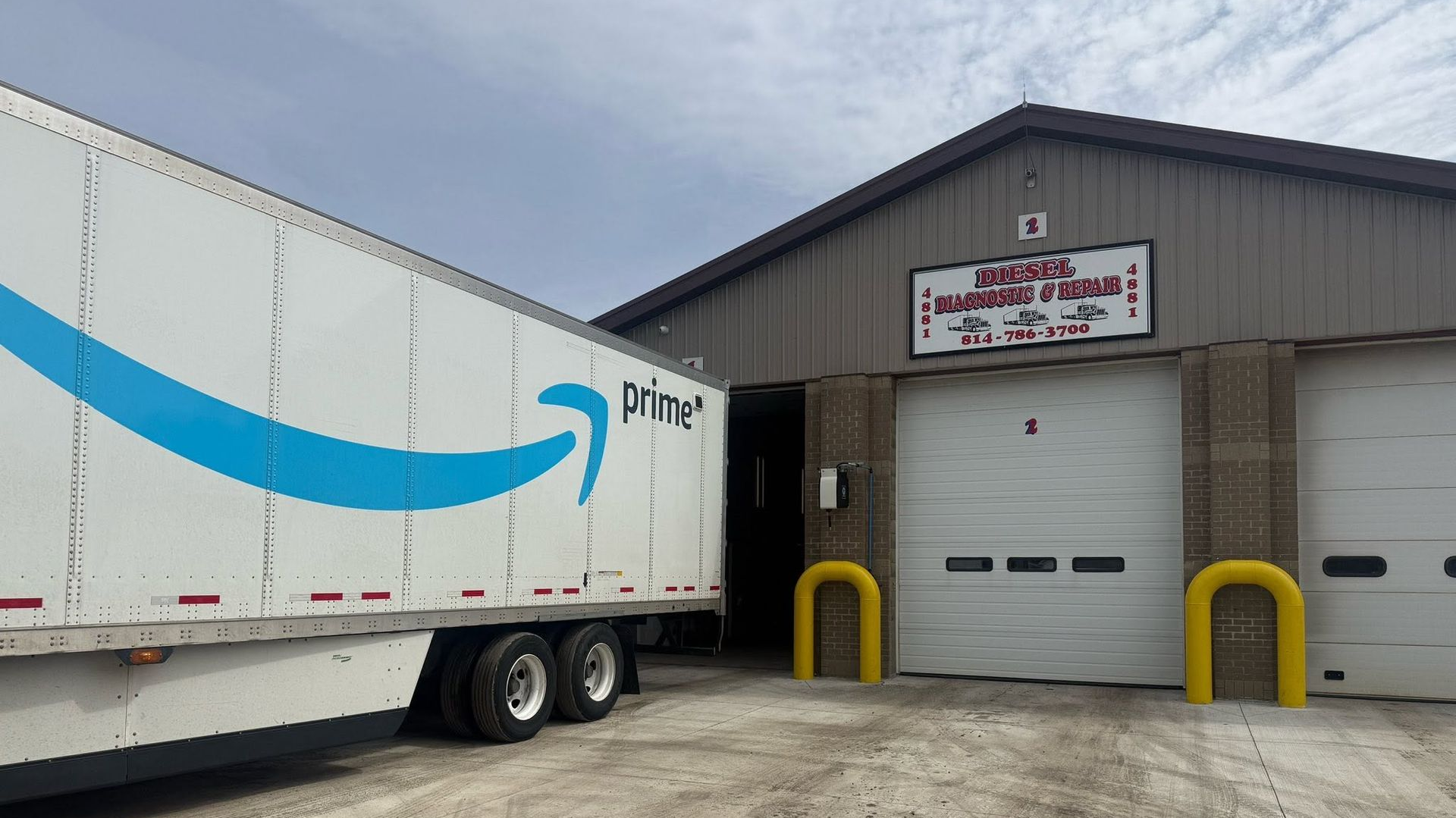
Preventive maintenance is one of the most important parts of fleet management.
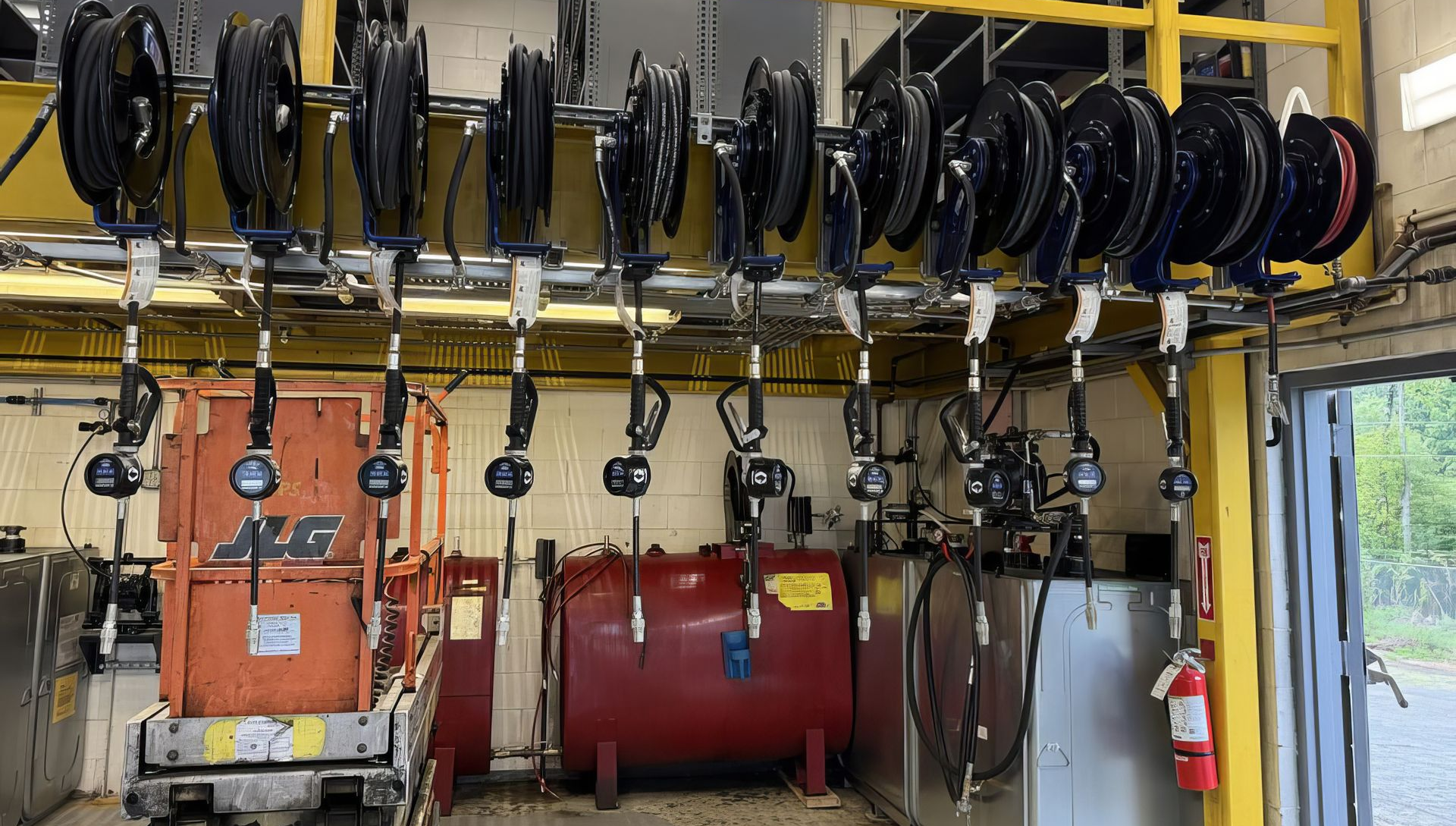
Oil and filter changes, chassis greasing, fluid checks, tire-pressure inspections, coolant service, and other routine maintenance help identify issues before they become major breakdowns.
A dedicated diesel service provider can help organize maintenance around mileage, engine hours, operating conditions, and manufacturer recommendations.
This creates a more predictable maintenance schedule instead of relying on drivers to notice problems after they have already become serious.
Diesel Diagnostic & Repair provides fleet maintenance and preventive service designed to help keep trucks operating consistently and reduce avoidable downtime.
Diagnostics Can Prevent Unnecessary Repairs
Modern diesel trucks depend on complex electronic, emissions, fuel, transmission, and engine-management systems.
A warning light or fault code does not always identify the exact component that has failed. Replacing parts based only on a code can become expensive quickly.
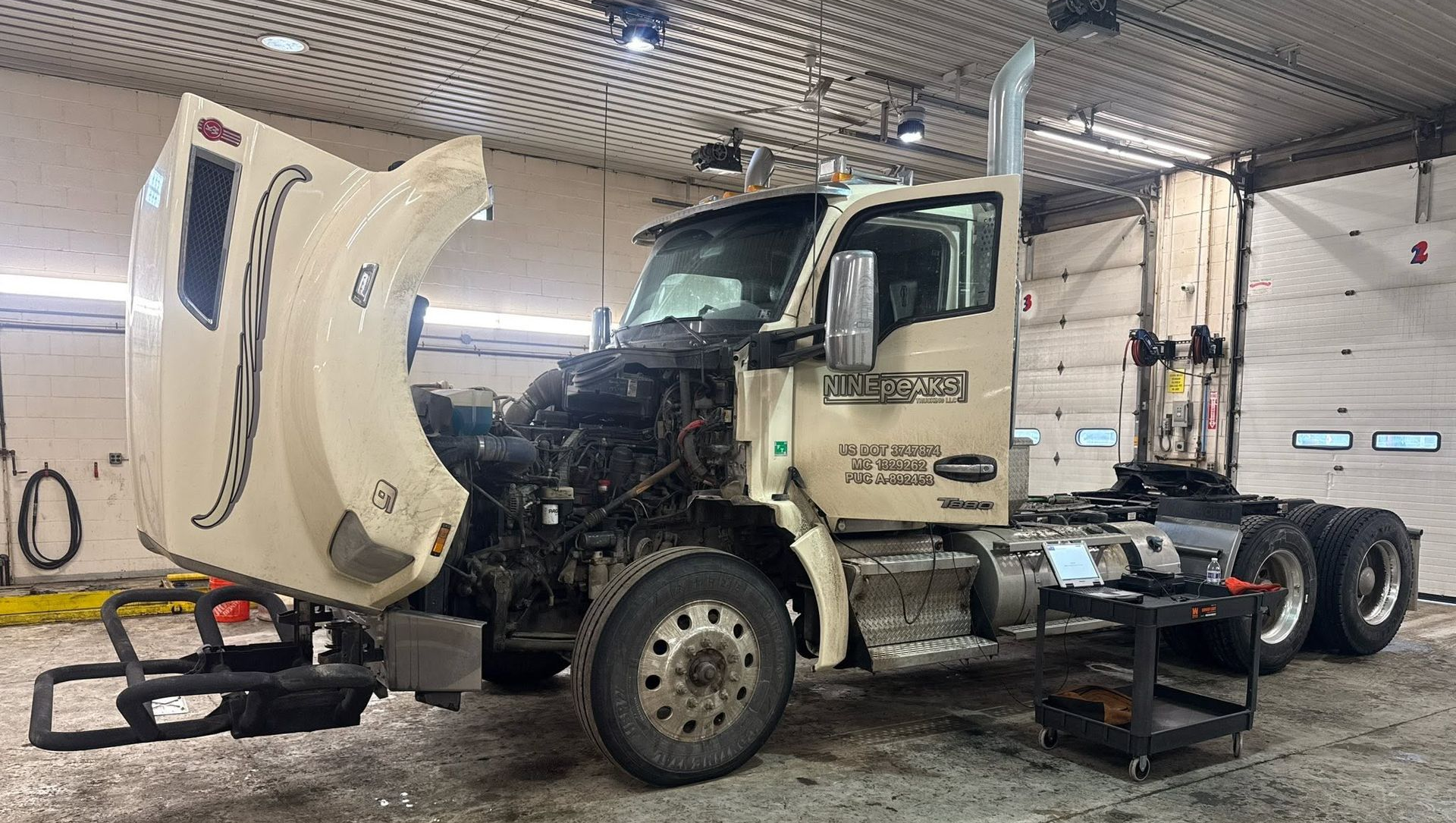
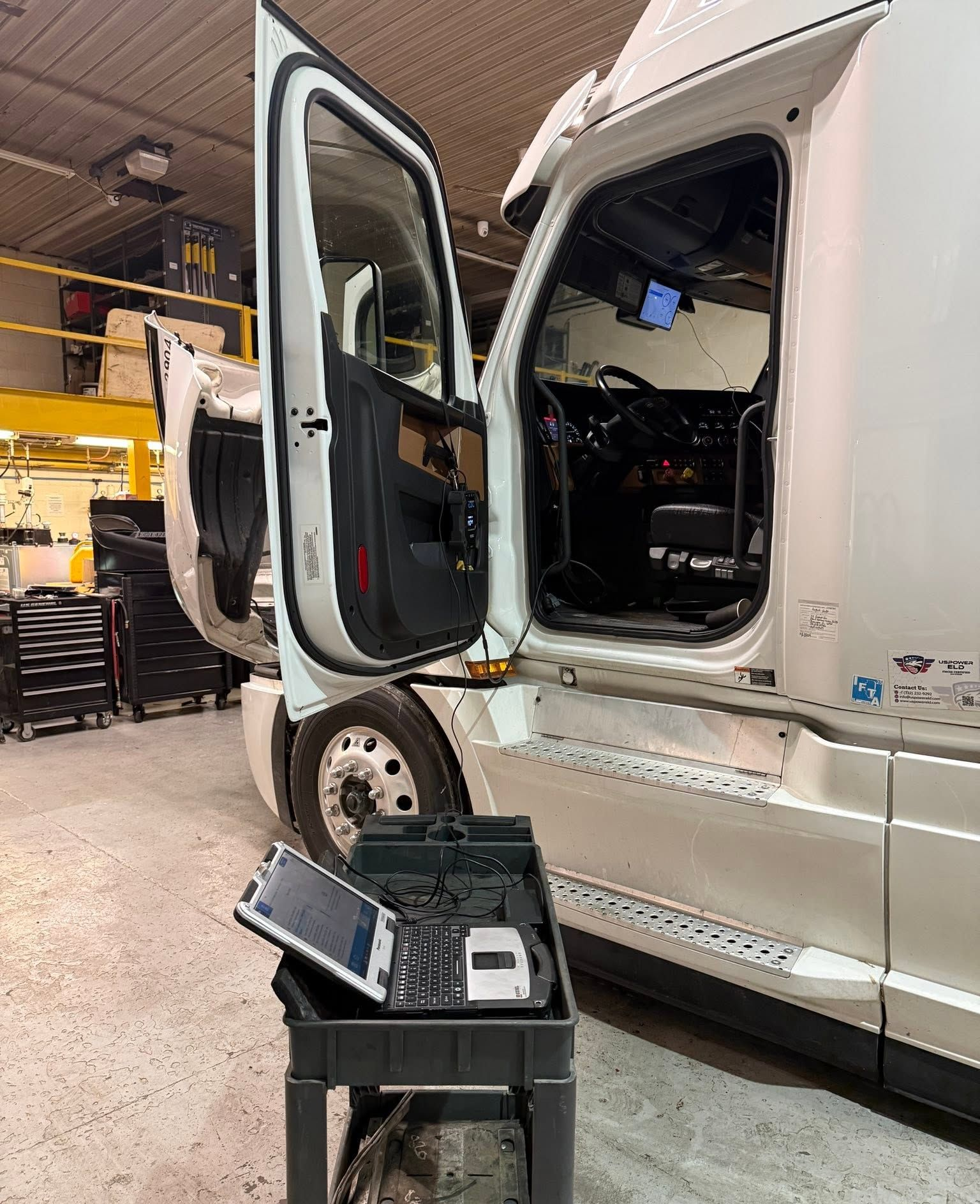
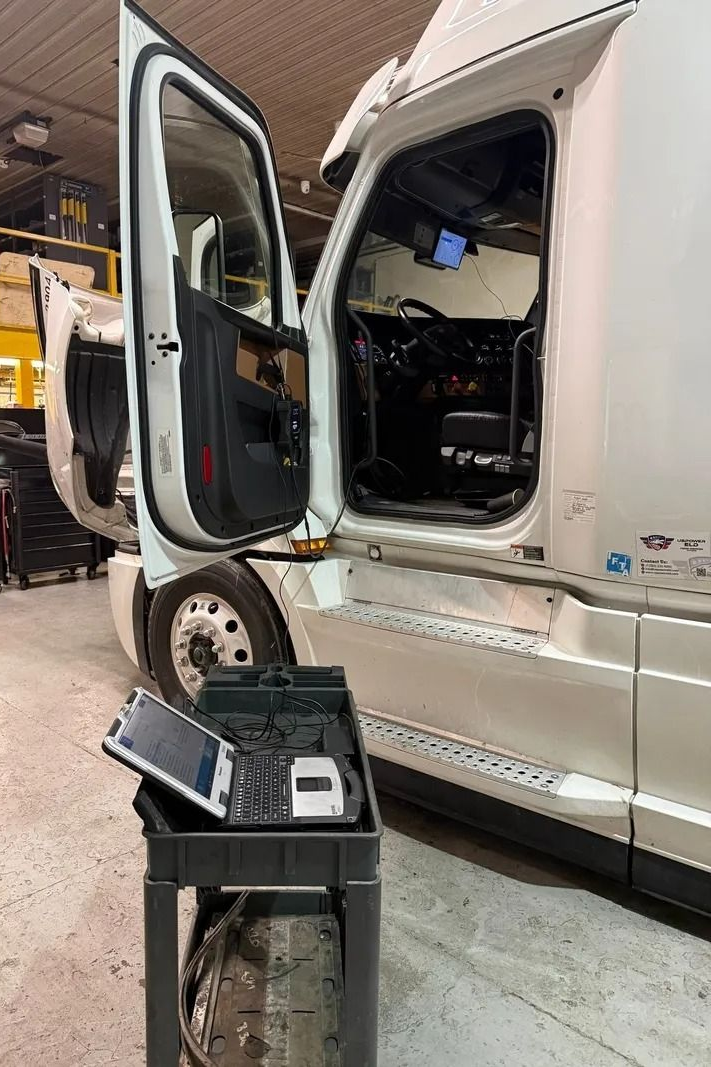
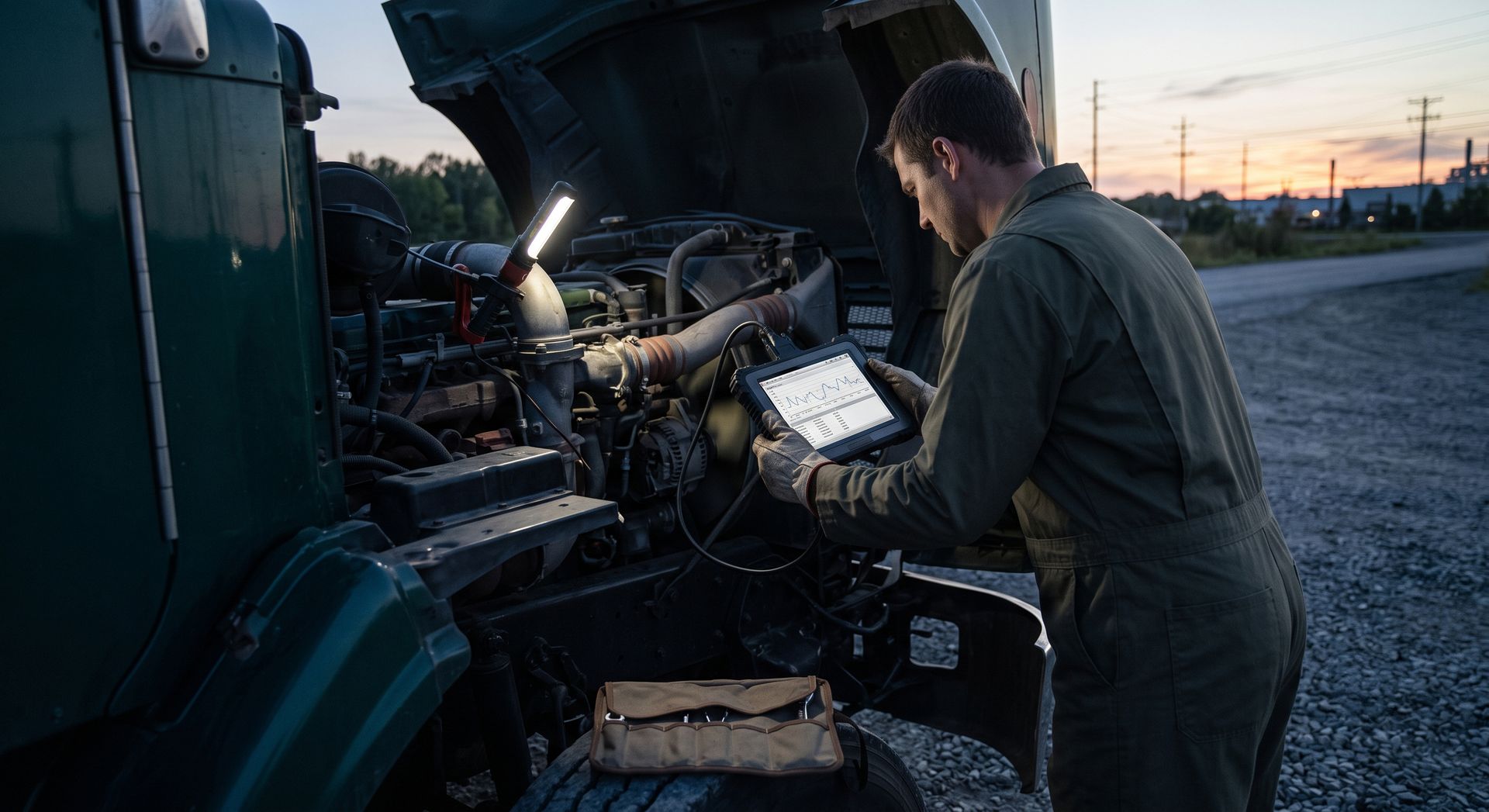
Computerized diesel diagnostics allow technicians to investigate the cause of the problem before recommending repairs.
A dedicated mechanic who understands the fleet can combine diagnostic information with the truck’s service history and current symptoms. That can help narrow the problem more accurately and reduce unnecessary parts replacement.
Small Problems Can Be Addressed Earlier
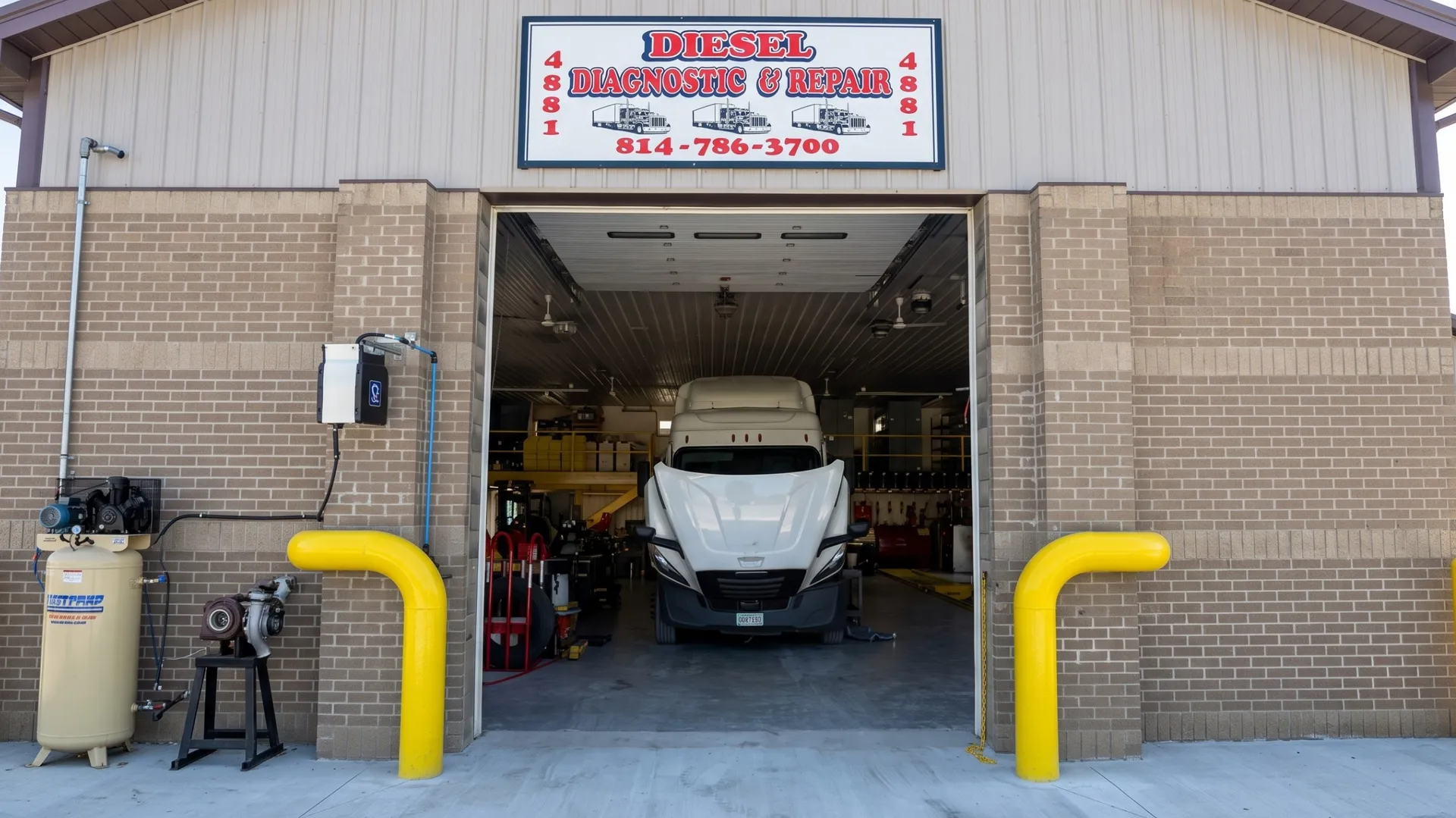
Drivers may notice subtle changes long before a truck breaks down.
Hard starting, reduced power, unusual exhaust, fluid leaks, abnormal vibration, changing fuel economy, transmission behavior, or warning lights can all deserve attention.
When a fleet has an established relationship with a diesel mechanic, these concerns are easier to address early.
A truck can be inspected and repaired before a minor problem becomes a roadside failure that disrupts the entire schedule.
This is one of the biggest advantages of consistent fleet maintenance: problems can often be managed on your terms instead of becoming emergencies.
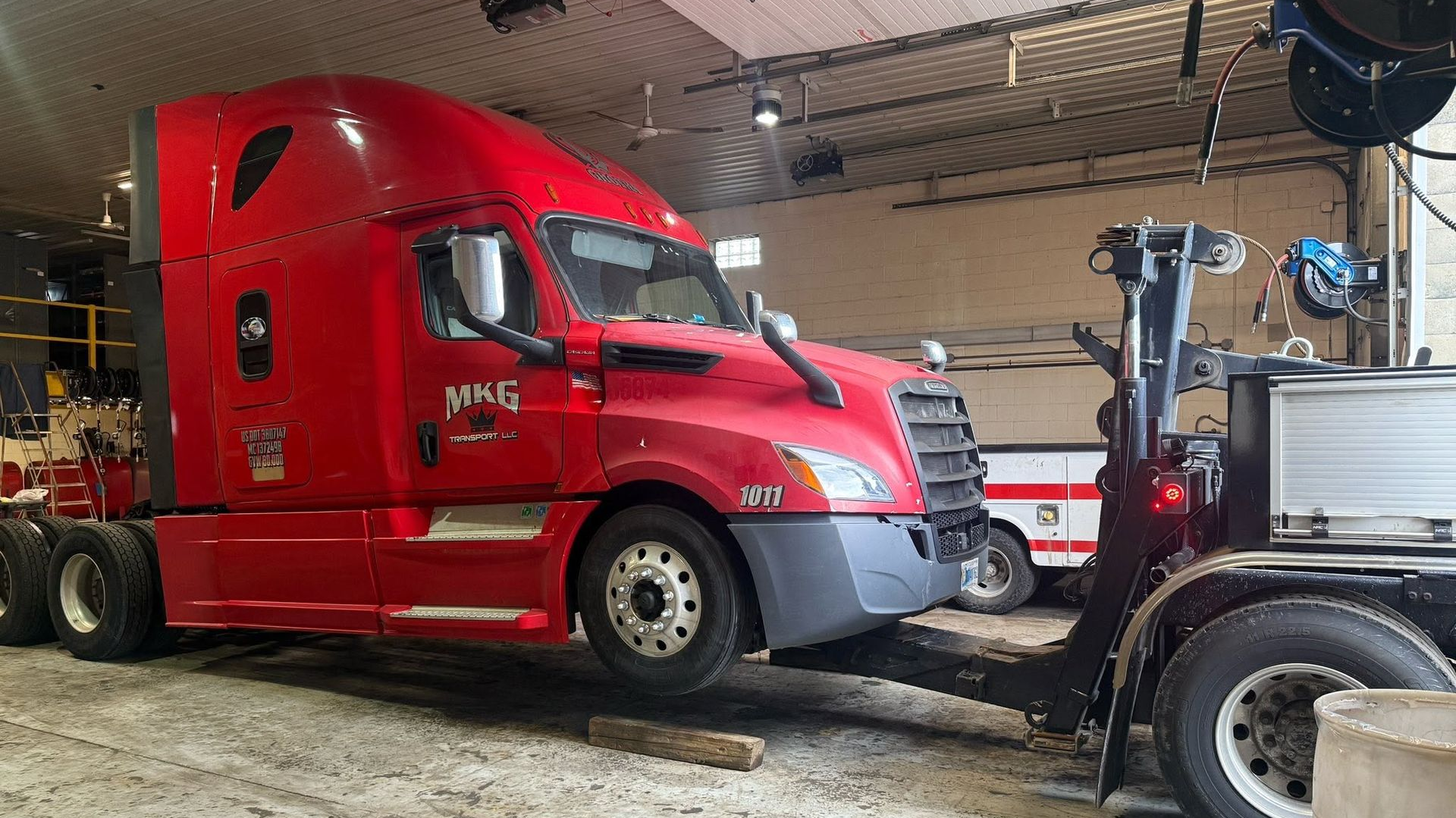
Roadside Support Matters When Breakdowns Happen
Even well-maintained trucks can still experience unexpected failures.
When that happens, having access to a diesel service provider that already understands your fleet can make the response more efficient.
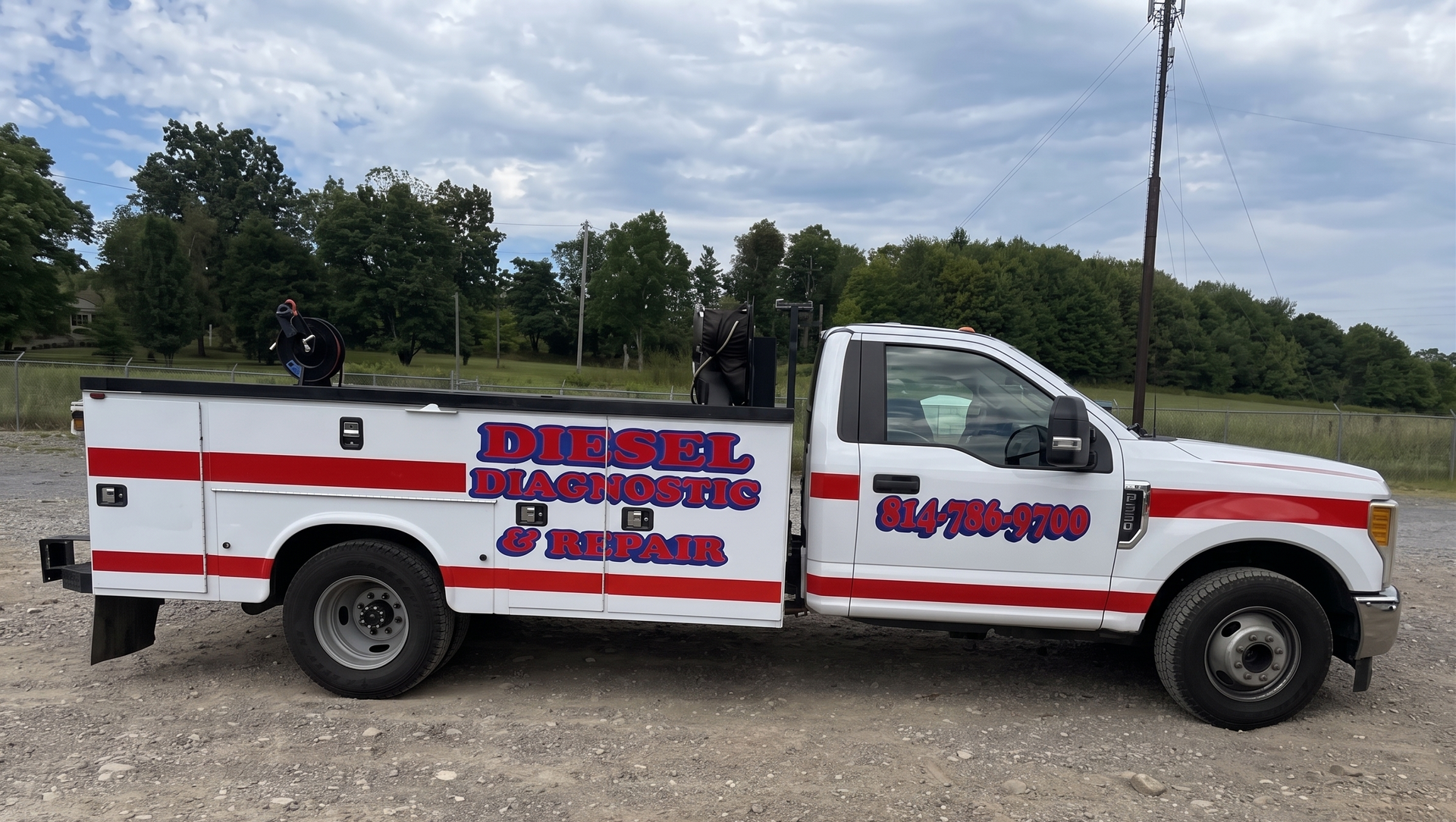
Diesel Diagnostic & Repair provides 24/7 roadside and mobile diesel service for commercial trucks. Mobile diagnostics and repair can help address certain issues where the truck is located, reducing the need for unnecessary towing when the problem can be handled on-site.
For fleet managers, having an established service relationship before an emergency occurs can remove some of the uncertainty from roadside breakdowns.
Better Maintenance Supports Better Planning
Fleet maintenance is not only about fixing trucks. It is also about helping the business plan.
When maintenance records are consistent and inspections are performed regularly, fleet managers have a clearer picture of vehicle condition. That information can support decisions about upcoming repairs, maintenance budgets, vehicle rotation, and longer-term replacement planning.
A dedicated diesel mechanic can also help identify which issues require immediate attention and which can be scheduled around operations.
That makes maintenance more predictable and easier to coordinate with the demands of the business.
Keep Your Fleet Moving
A dedicated diesel mechanic gives your fleet consistency, familiarity, and a more proactive approach to maintenance and repair. Instead of treating every breakdown as an isolated problem, the mechanic can help monitor vehicle history, catch developing issues, perform accurate diagnostics, and keep preventive maintenance on schedule.
Diesel Diagnostic & Repair provides heavy-duty truck repair, advanced diesel diagnostics, fleet maintenance, preventive service, mobile repair, and 24/7 roadside support for commercial fleets throughout Western Pennsylvania and Eastern Ohio. If your business depends on keeping trucks available and productive, contact Diesel Diagnostic & Repair at
(814) 786-3700 to discuss a dedicated maintenance and repair plan for your fleet.
 GET A FREE ESTIMATE