Why Turbochargers Fail—and What Usually Causes the Damage
A turbocharger can dramatically affect diesel engine performance, but when it begins to fail, the turbo itself is not always the original problem.
Low boost, unusual noise, oil around the turbo, excessive smoke, reduced power, or a sudden change in engine response can all point toward a turbocharger issue. However, replacing the turbo without finding out why it failed can lead to the same problem happening again.
That is why proper diagnosis matters before expensive parts are replaced.
Oil Supply Problems Can Damage a Turbo Quickly
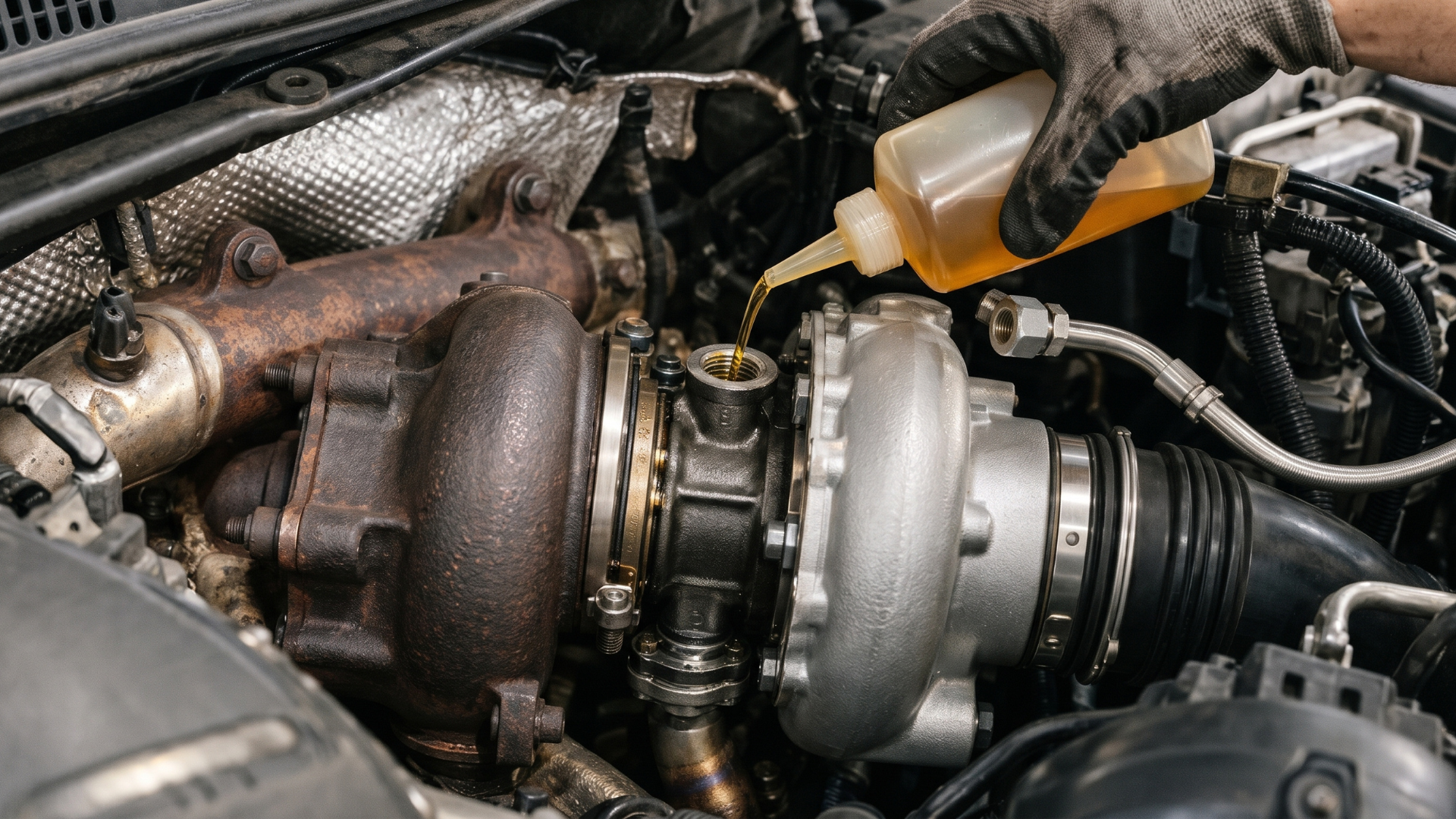
Turbochargers operate at extremely high speeds and depend heavily on proper lubrication.
If oil flow is restricted, contaminated, or insufficient, the turbo bearings can wear rapidly.
Sludge, blocked oil passages, low oil pressure, or poor maintenance can all contribute to lubrication problems.
A turbo that fails because of inadequate oil supply may be replaced successfully, but if the underlying oil issue remains, the new unit can be damaged as well.
Diesel Diagnostic & Repair looks beyond the turbocharger itself to determine whether lubrication is part of the failure.
Contaminated Oil Can Be Just as Harmful
Clean oil matters just as much as adequate oil flow.
Debris in the lubrication system can damage bearings and other internal turbo components.
Poor oil quality can also reduce the protection those parts need under high heat and speed.
That is one reason regular oil and filter maintenance matters so much on heavy-duty diesel engines.
Turbo failure may appear sudden, but the conditions that caused it may have been developing over a long period.
Boost Leaks Can Mimic Turbo Failure
A truck that feels weak under load does not automatically need a turbocharger.
Leaks in charge-air piping, hoses, clamps, intercoolers, or related connections can allow pressurized air to escape before it reaches the engine.
The result may be low boost, reduced power, slower acceleration, or poor fuel economy.
Those symptoms can look very similar to a failing turbo.
Pressure testing and inspection can help determine whether the turbo is actually the problem or whether the boost is being lost somewhere else.
Restricted Airflow Can Increase Turbo Stress
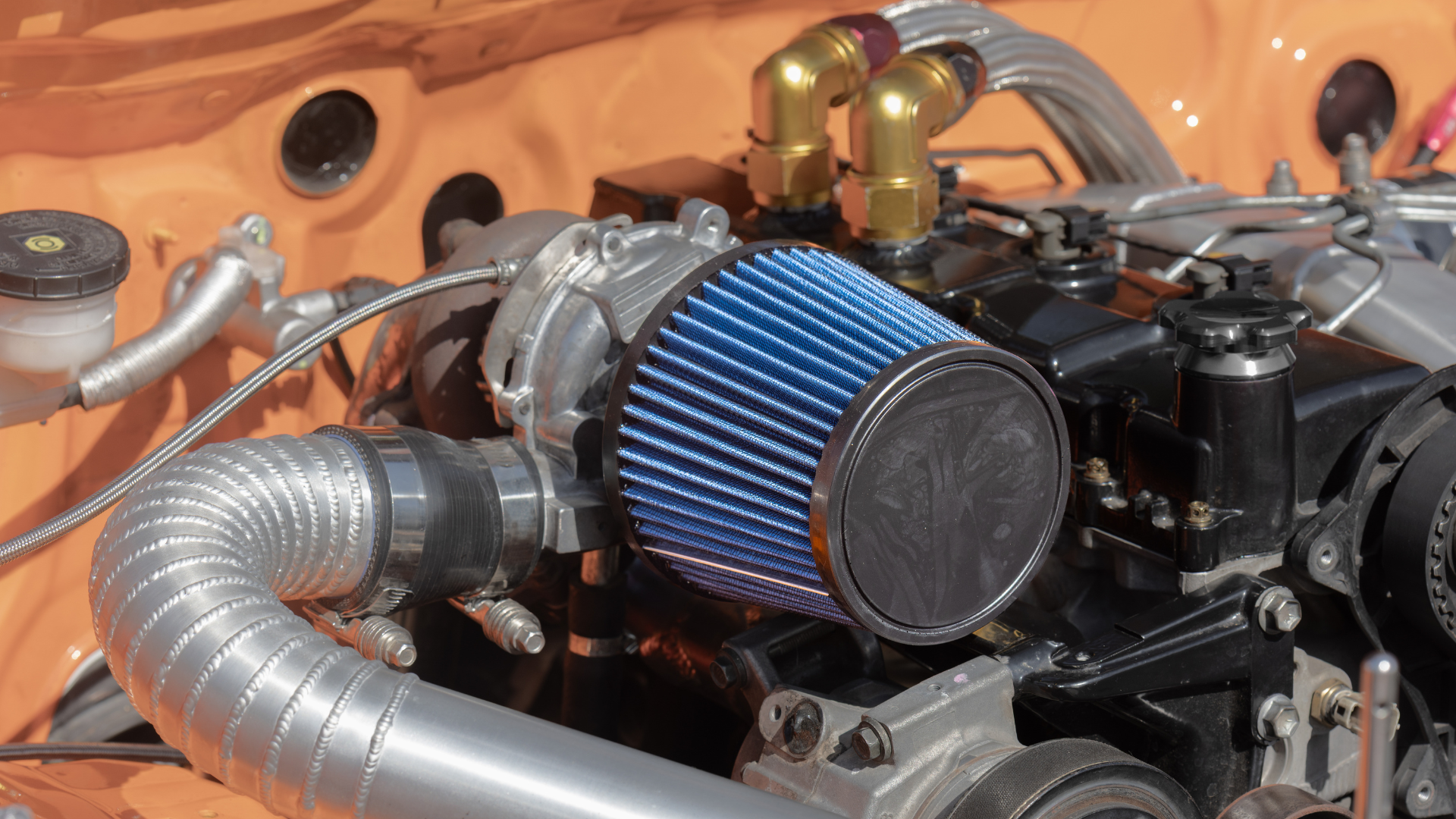
A diesel engine needs a steady supply of clean air.
Restricted filters, damaged intake components, clogged charge-air systems, or other airflow problems can force the turbocharger to work harder than intended.
Over time, that extra stress can contribute to wear or performance problems.
Exhaust restrictions can create issues too.
A DPF or aftertreatment problem that creates excessive backpressure may affect how the turbo performs and can complicate the diagnostic process.
That is why intake, exhaust, and aftertreatment systems should be considered together when boost problems appear.
Foreign Objects Can Cause Immediate Damage
Turbocharger compressor and turbine wheels are vulnerable to debris.
A damaged intake component, loose material, or contamination entering the system can strike the blades and cause severe damage.
Even small objects can create imbalance when the turbo is spinning at very high speed.
If blade damage is found, technicians should determine where the debris came from before installing a replacement.
Otherwise, the same contamination could damage the new turbocharger.
Excessive Heat Can Shorten Turbo Life
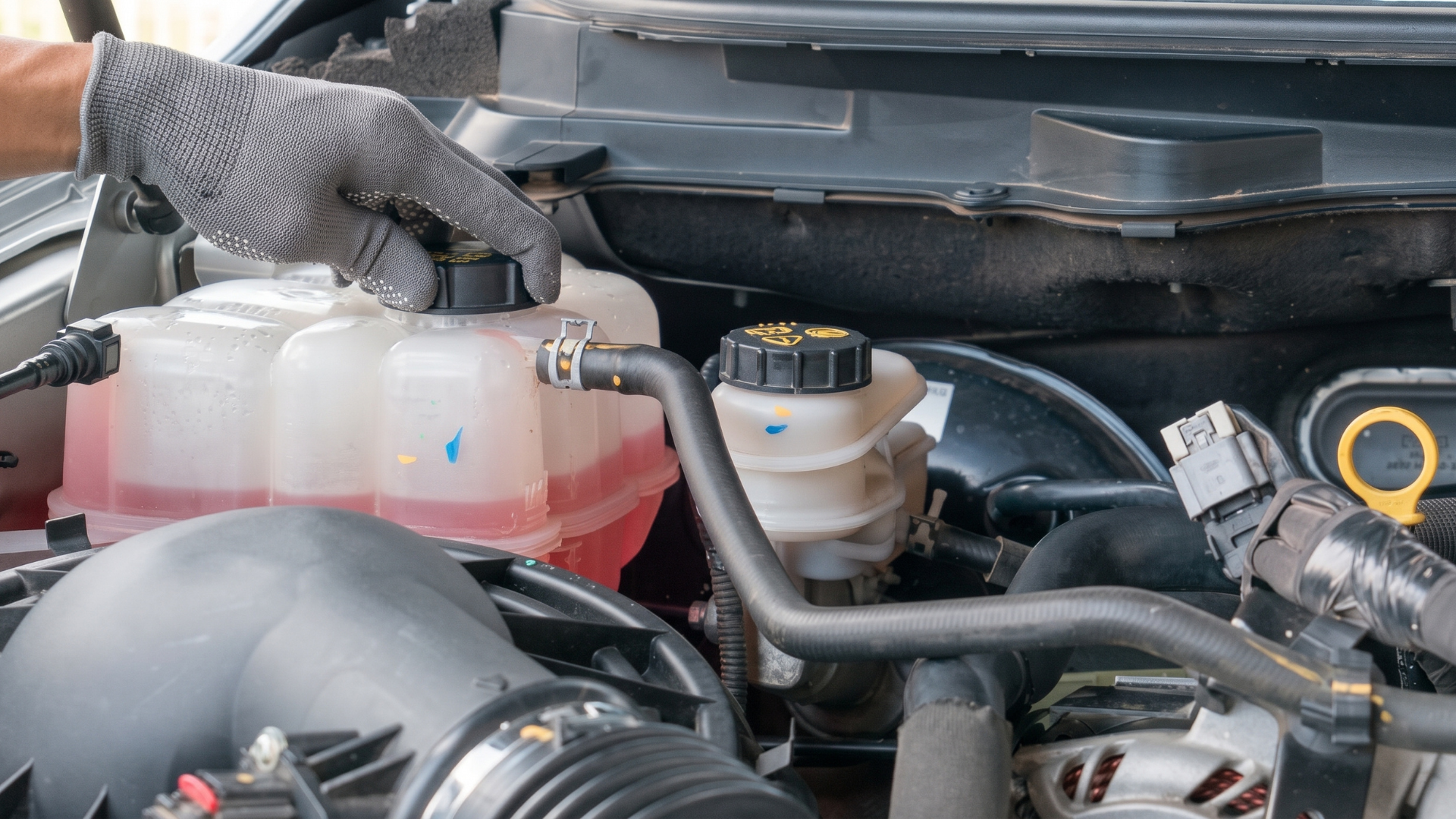
Heat is another major factor.
High exhaust temperatures, restricted airflow, engine performance problems, or poor lubrication can all increase thermal stress.
A turbocharger that repeatedly operates under excessive heat may develop bearing wear, seal problems, or internal damage.
Oil can also break down faster in extreme temperatures, which adds another layer of risk.
The key is to determine whether the turbo failed independently or whether another engine system pushed it beyond normal operating conditions.
Warning Signs Should Be Diagnosed Early
Drivers may notice several symptoms before complete failure.
A new whistle or grinding noise, sudden loss of boost, oil consumption, smoke, weak acceleration, or reduced pulling power all deserve attention.
Waiting until the turbocharger fails completely can create additional downtime and potentially more engine damage.
Early testing can also help separate a turbo problem from fuel-system, airflow, sensor, or aftertreatment issues.
Fix the Cause, Not Just the Component
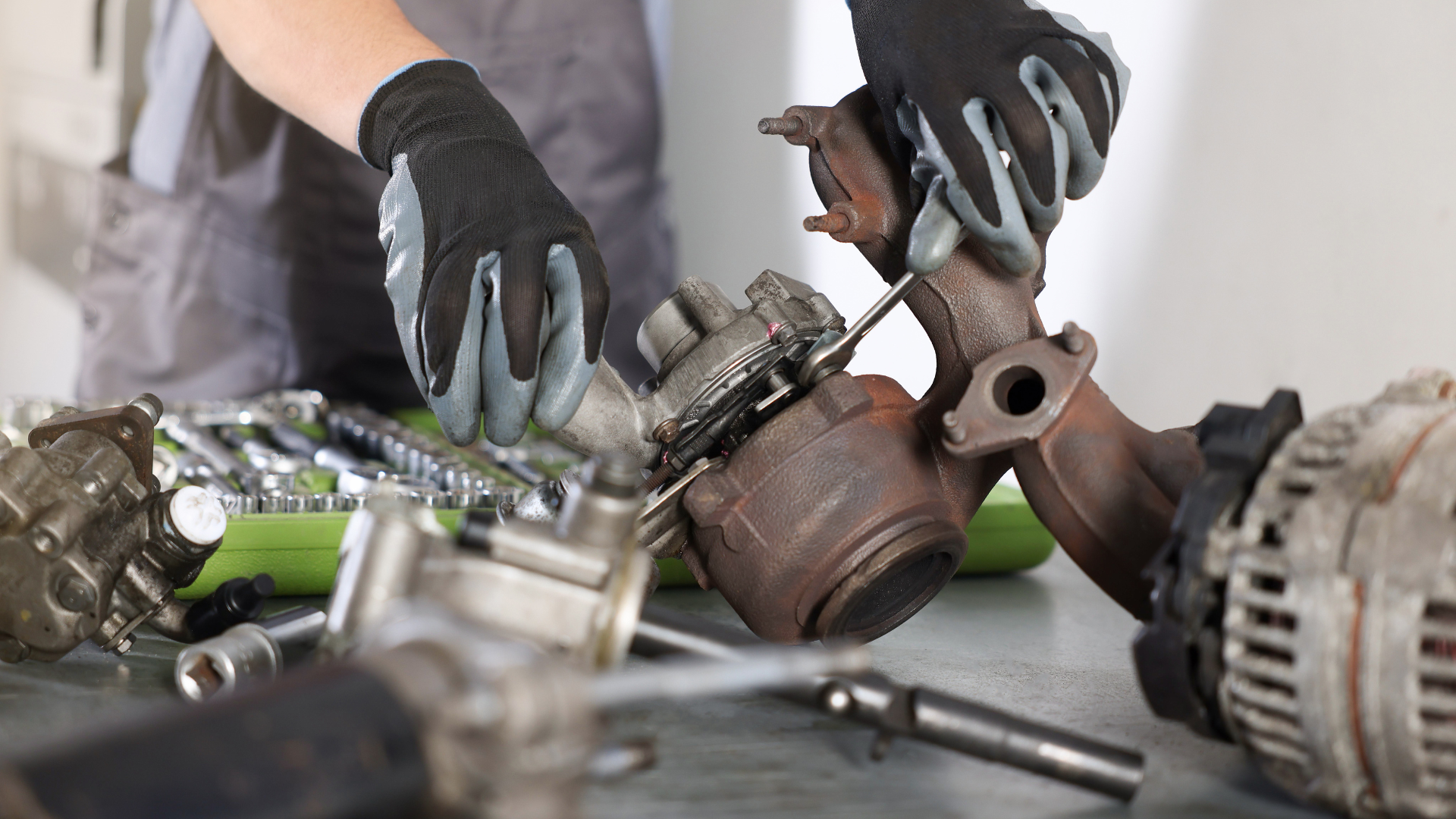
Turbochargers rarely fail without a reason.
Oil starvation, contaminated oil, boost leaks, restricted airflow, foreign-object damage, excessive heat, and related engine problems can all contribute.
Diesel Diagnostic & Repair provides advanced diagnostics, turbocharger service, heavy-duty truck repair, fleet maintenance, mobile diesel repair, and 24/7 roadside support throughout Western Pennsylvania and Eastern Ohio.
When a truck loses boost or power, replacing the turbo should not be the first guess. Finding the cause of the failure first can help protect the replacement, reduce repeat repairs, and get the truck back on the road more reliably.



 GET A FREE ESTIMATE